Nobody in the room is going to tell you this directly. Your adjuster is professional and probably pleasant. Your contractor wants the job. Everyone is nodding and shaking hands and talking about getting your property back to normal.
But there's a tension running underneath every restoration claim that most property owners never fully understand — and not understanding it costs them money.
Here's what's actually happening.
Your Adjuster Works for the Insurance Company
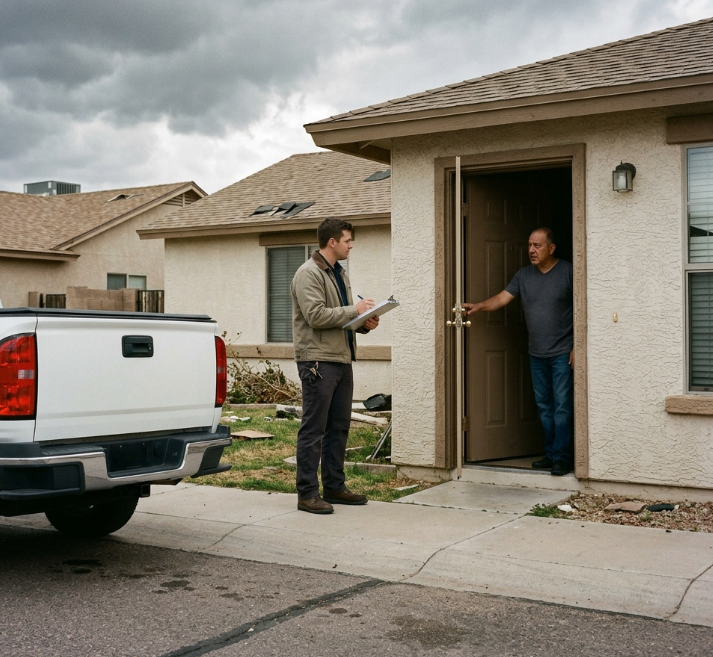
This isn't a knock on adjusters. Most of them are doing their jobs honestly and competently. But their job, by definition, is to evaluate your claim on behalf of the carrier — not on behalf of you.
Insurance companies are in the business of collecting premiums and managing payouts. Every dollar approved on a claim is a dollar leaving the carrier. Adjusters are trained to scope damage accurately, but "accurately" from their vantage point means documenting what's visible, applying depreciation, and producing an estimate that reflects the carrier's pricing guidelines — not necessarily everything your property actually needs to be made whole.
That's not fraud. That's not bad faith in most cases. It's just the natural result of who the adjuster is ultimately accountable to. When there's ambiguity in a scope — and there's almost always ambiguity — the benefit of that ambiguity tends to go to the carrier.
Most Contractors Don't Push Back
Here's where property owners get squeezed from both sides.
A lot of restoration contractors in the Phoenix market take whatever scope the adjuster approves and build to that number. They don't review the estimate critically. They don't identify what's missing. They don't submit supplements when additional damage surfaces. They accept the approval, schedule the work, and whatever doesn't fit in the approved budget either doesn't get done or gets value-engineered in ways that aren't obvious until later.
This happens for a few reasons. Some contractors don't have the Xactimate fluency to argue scope with an adjuster on equal footing. Some don't want the friction — supplements mean more back-and-forth, more documentation, more time before they get paid. Some are volume shops that move fast and don't have the margin to fight for every line item.
The result is a property owner caught between an adjuster who scoped conservatively and a contractor who accepted it without question — with a gap in the middle that comes out of your pocket or doesn't get fixed at all.
What an Adjuster's Initial Scope Almost Always Misses
This isn't theoretical. It's pattern-based on how the claims process works in practice.
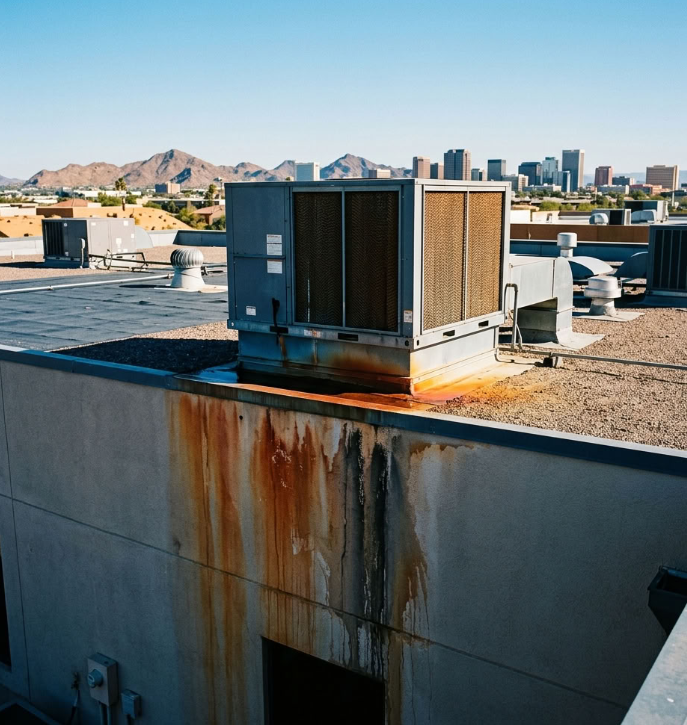
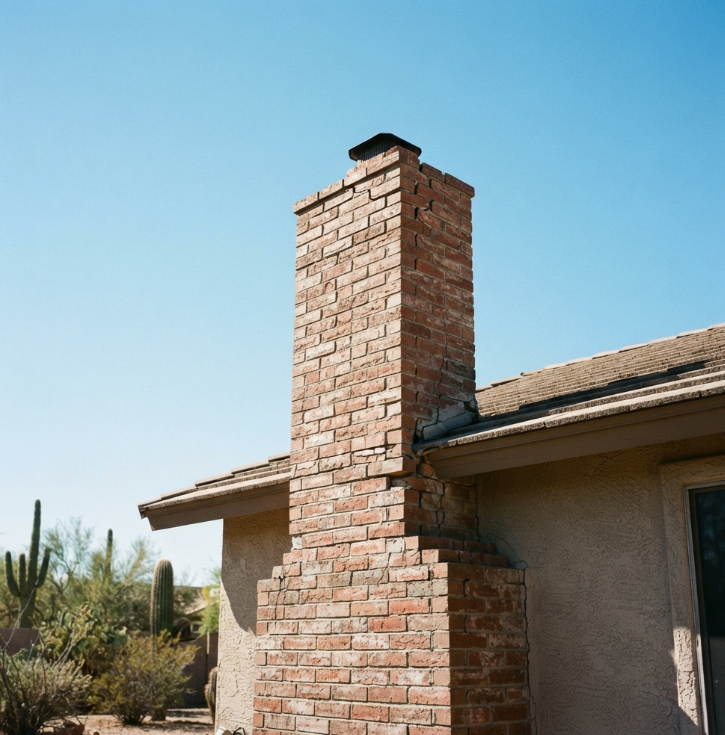
Initial inspections happen fast, often within days of the loss. Adjusters are working from what they can see — surface damage, visible material, obvious affected areas.
What they're typically not accounting for:
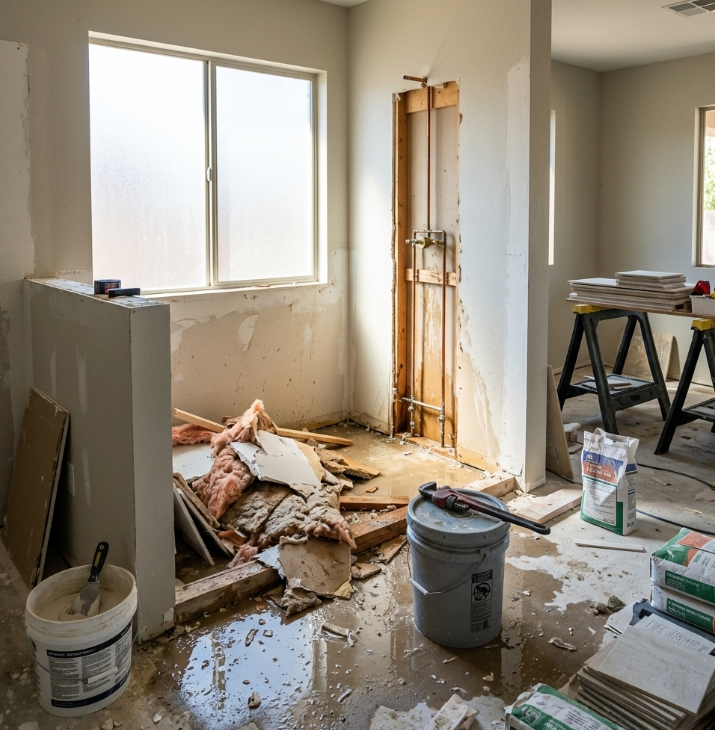
Damage behind walls and under floors that only becomes visible once demolition begins. Code upgrade requirements — if your property is older and a repair triggers current code compliance, that cost often isn't in the initial estimate. Matching requirements — in Arizona, if half a floor of tile is damaged and the other half is discontinued material, replacing just the damaged section isn't a proper restore. The full floor may be a legitimate scope item that wasn't included. Contents pack-out and storage costs during reconstruction. Temporary housing or business interruption coordination. And the supplements — the additional scope that almost always surfaces mid-project — that someone has to actually pursue and document and submit.
None of this means your adjuster is wrong. It means their initial estimate was built on incomplete information, which is always the case before materials are opened. The question is whether anyone is going to go back and get the rest of it approved.
The Advocate Gap
What most property owners actually need in a restoration claim is an advocate — someone whose financial interest is aligned with getting the full legitimate scope approved and completed, not with minimizing the payout or avoiding the friction of a supplement conversation.
A public adjuster can play that role. Their job is explicitly to represent the property owner in a claim, and they're compensated as a percentage of the total settlement — so they're motivated to maximize it. If you have a large, complex loss, a good public adjuster can be worth every dollar of their fee.
But for most residential and commercial restoration claims in the Valley, the more practical answer is a contractor who actually understands the claims process, writes in Xactimate, reviews the adjuster's scope critically, identifies what's missing, and pursues supplements as a standard part of how they run jobs — not as a favor they do when asked.
That contractor acts as a de facto advocate without the additional fee, because their reconstruction scope depends on getting the full damage properly approved. They have skin in the game.
What This Looks Like in Practice
When RCS Builders takes a job, we review the carrier's scope before we agree to work from it. If line items are missing, we document why and submit the supplement with supporting evidence — photos, moisture logs, material specs, code references, whatever the carrier needs to evaluate it. We coordinate directly with adjusters throughout the project, not just at the beginning.
That process isn't adversarial. Most adjusters we work with are reasonable professionals who respond to well-documented scope justifications. The friction isn't between us and the adjuster — it's between an incomplete initial estimate and the actual damage on the property. Our job is to close that gap with documentation, not confrontation.
What it means for you is that you're not left holding the difference between what was approved and what the job actually required.
Questions Worth Asking Before You Sign With Anyone
Before you choose a restoration contractor after a loss, ask them directly:
Do you review the adjuster's scope or just work from it? Have you handled claims with this carrier before — do you know how they typically scope this type of damage? How do you handle supplements when additional damage surfaces during reconstruction? Can you walk me through what's in this estimate and what you think might be missing?
A contractor who has done this work at a high level will answer all of those questions without hesitation. A contractor who hasn't will change the subject.
One More Thing
If you feel like your claim was handled poorly — the approved scope felt light, your contractor accepted it without pushback, and you ended up paying out of pocket for things that should have been covered — it's not necessarily too late. Depending on where you are in the process, there may still be options for reopening scope items or filing a supplement.
Call us at 480-204-9035 and tell us where things stand. We'll give you an honest read on what's possible.
Related: