When mold is discovered inside a home or commercial property, the greatest risk is not just the visible growth. Mold spreads through microscopic airborne spores that can travel through walls, ventilation systems, and open spaces during improper cleanup.
Professional mold remediation requires strict containment procedures, specialized equipment, and proper personal protective equipment (PPE) to prevent cross-contamination and safely remove contaminated materials.
Without these safeguards, mold removal can actually spread spores to previously unaffected areas of the property.
Why Mold Containment Is Critical During Remediation
Containment isolates the affected area so mold spores cannot spread while contaminated materials are removed.
Professional containment protects:
• Unaffected rooms and structures
• HVAC systems and ductwork
• Indoor air quality
• Building occupants and staff
• Remediation technicians
Containment procedures are recommended by professional industry standards such as the
IICRC S520 mold remediation guidelines.
Proper containment ensures the remediation process removes mold safely rather than spreading contamination throughout the property.
Types of Mold Containment Used in Professional Remediation
The level of containment depends on the size and severity of contamination.
Limited Containment
Used for small mold areas or isolated contamination.
Typically includes:
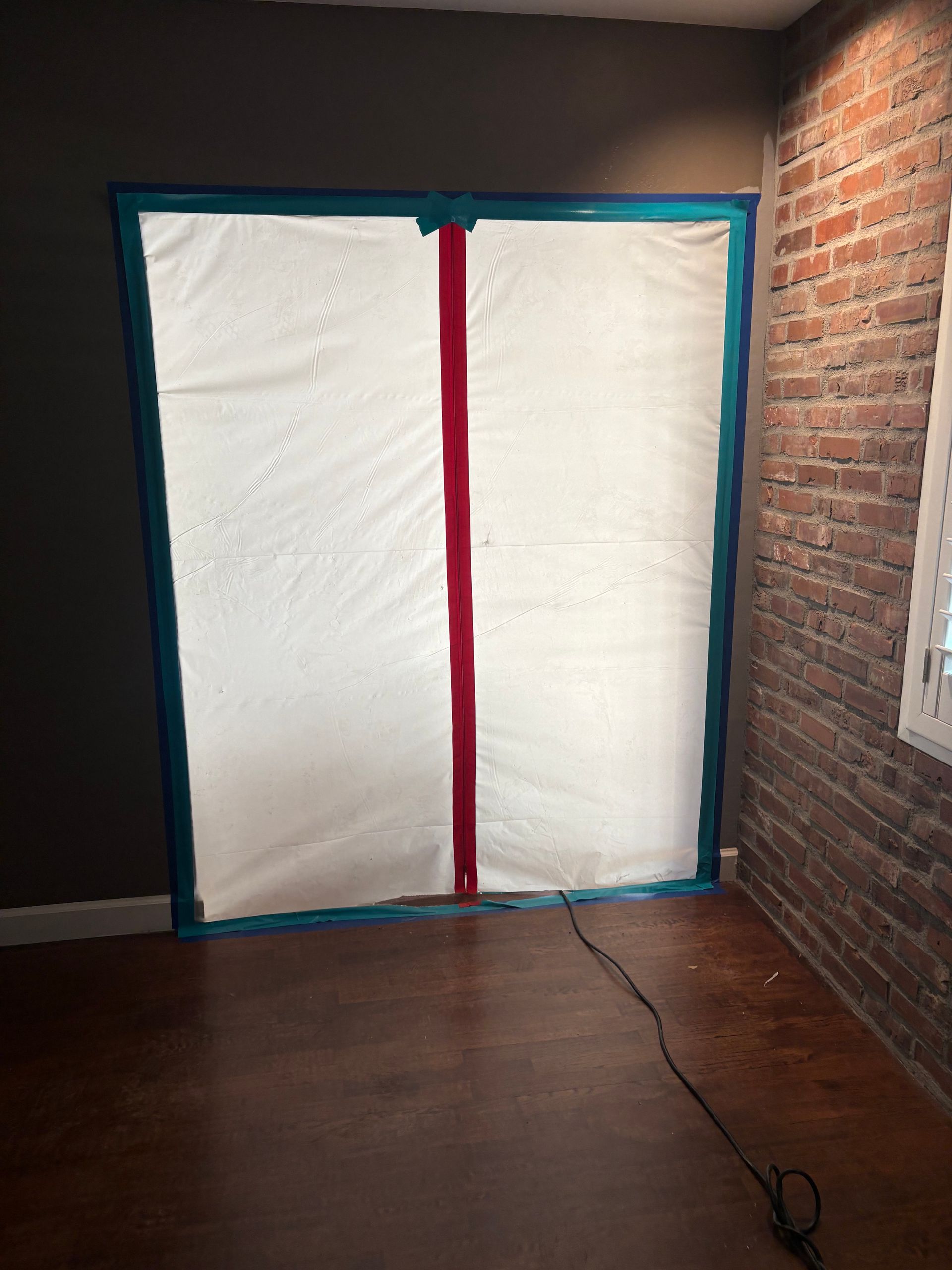
• Plastic containment barriers
• Sealing doorways and vents
• Localized HEPA filtration
This prevents spores from traveling to nearby areas during material removal.
Full Containment
Used for larger or more severe mold contamination.
Full containment typically includes:
• Floor-to-ceiling containment barriers
• Sealed entry points with zipper doors
• Negative air pressure systems
• Continuous HEPA air filtration
This creates a controlled remediation environment where airborne spores are captured and filtered.
Negative Air Pressure & HEPA Filtration
One of the most important elements of mold containment is maintaining negative air pressure.
Negative air machines equipped with
HEPA filtration systems pull contaminated air from the work area and filter it before releasing clean air.
These systems help:
• Capture microscopic mold spores
• Prevent contaminated air from escaping the containment area
• Improve indoor air quality during remediation
HEPA filtration is essential because mold spores are extremely small and easily become airborne when contaminated materials are disturbed.
Personal Protective Equipment (PPE) Used During Mold Remediation
Mold remediation professionals must protect themselves from exposure while working inside contaminated areas.
Proper personal protective equipment typically includes:
• N95 or full respirator masks
• Protective suits or coveralls
• Gloves
• Eye protection
• Boot covers
PPE prevents technicians from inhaling mold spores and helps prevent contamination from spreading to other parts of the property.
Professional Mold Remediation Equipment
Professional remediation requires specialized equipment designed to control airborne contamination and remove hidden moisture that allows mold to grow.
HEPA Air Scrubbers
HEPA air scrubbers continuously filter air inside containment zones, capturing mold spores and other airborne particles.
These systems:
• Improve air quality during remediation
• Remove microscopic contaminants
• Maintain safer working conditions
Negative Air Machines
Negative air machines maintain pressure differences that force contaminated air into filtration systems instead of allowing it to escape into clean areas.
They are essential for proper containment on moderate to large remediation projects.
Industrial Dehumidifiers
Mold thrives in moisture. Industrial dehumidifiers remove excess humidity from the air and help dry building materials such as:
• Drywall
• Wood framing
• Subfloors
• Insulation cavities
Proper drying prevents mold from returning after remediation.
High-Powered Air Movers
Air movers increase airflow across wet materials, accelerating the drying process and helping restore proper moisture levels in the structure.
These systems work together with dehumidifiers to stabilize the environment after water damage.
Moisture Detection Equipment
Professional remediation teams use specialized tools to locate hidden moisture sources that may be feeding mold growth.
These tools include:
• Moisture meters
• Infrared thermal cameras
• Hygrometers
Identifying hidden moisture ensures the source of contamination is corrected before rebuilding begins.
What Causes Mold Growth in Homes and Commercial Buildings
Mold growth is almost always caused by excess moisture inside a building.
Common causes include:
• Plumbing leaks
• Roof leaks
• Slab leaks
• Storm damage and flooding
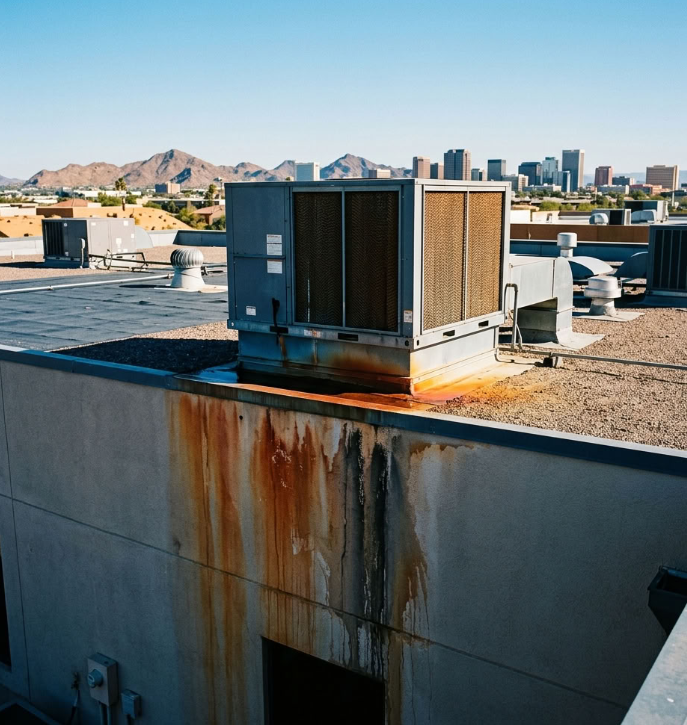
• HVAC condensation
• High humidity levels
• Hidden leaks behind walls or cabinets
If the moisture source is not corrected, mold can return even after removal.
Mold Remediation and Insurance Claims
In many cases, mold develops as a result of a covered water damage event such as a plumbing leak or storm intrusion.
Insurance coverage may apply when mold results from:
• Burst pipes
• Plumbing supply line failures
• Storm damage
• Sudden roof leaks
• Appliance failures
According to guidance from the
USAA, homeowners insurance policies may cover mold remediation when the mold is caused by a sudden and accidental water loss rather than long-term neglect.
Proper documentation and professional remediation help support insurance claims and ensure the property is restored correctly. For more information visit the following
insurance carriers mold coverage page.
Reconstruction After Mold Remediation
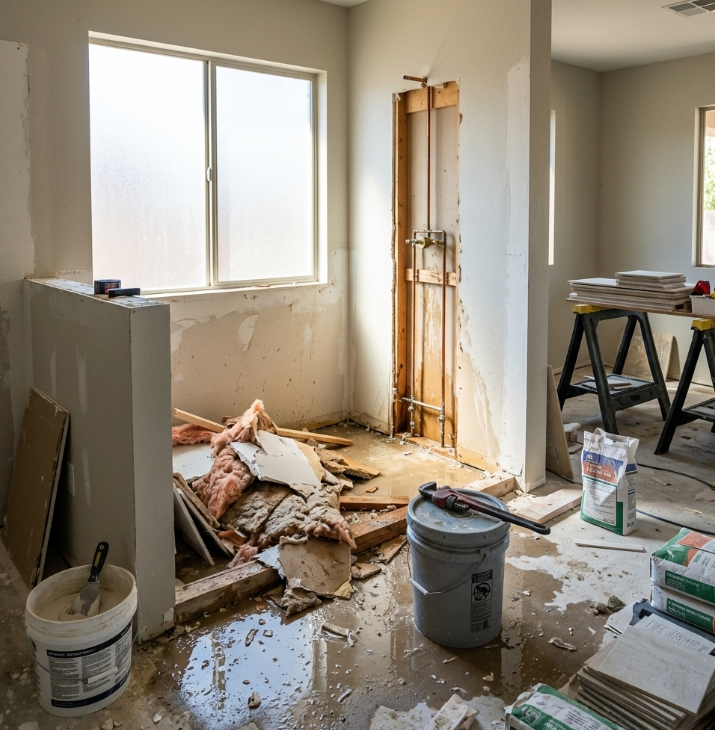
Mold remediation removes contaminated materials, but it does not fully restore the property.
After remediation is complete, reconstruction is often required to replace materials such as:
• Drywall
• Flooring
• Cabinets
• Insulation
• Trim and finishes
Post-remediation repairs restore the property to
pre-loss condition and ensure the structure is safe and fully functional again.
Mold Remediation Services in Greater Phoenix
Professional mold containment and remediation services are available throughout the Greater Phoenix region, including:
Phoenix
Mesa
Chandler
Gilbert
Tempe
Scottsdale
Glendale
Peoria
Surprise
Goodyear
Avondale
Buckeye
Queen Creek
San Tan Valley
Apache Junction
Casa Grande
Maricopa
Cave Creek
Carefree
Paradise Valley
Gold Canyon
Early remediation helps prevent mold from spreading and reduces long-term structural damage.
Frequently Asked Questions About Mold Containment & Remediation
Does mold remediation always require containment?
Small areas may require limited containment, but moderate or large mold contamination typically requires full containment with negative air pressure.
Can mold spread during removal?
Yes. Mold spores can easily become airborne during cleanup if containment and filtration systems are not used.
What equipment is used during mold remediation?
Professional remediation typically uses HEPA air scrubbers, negative air machines, containment barriers, industrial dehumidifiers, air movers, and moisture detection tools.
Is mold remediation covered by insurance?
Coverage depends on the cause of the mold. When mold results from a sudden water loss such as a burst pipe or storm damage, insurance may cover remediation and repairs.
How long does mold remediation take?
Most residential projects take several days depending on the size of the affected area and the level of containment required.
Professional Mold Removal & Containment Services
Mold remediation requires more than surface cleaning. Proper containment, PPE, and specialized equipment are essential to remove contamination safely and restore indoor environments.
Professional remediation ensures mold is eliminated at the source while protecting the rest of the property from cross-contamination.
If mold contamination is suspected, early action can prevent further damage and costly structural repairs.
For more information head over to our
Mold Remediation and Abatement Services page or call us at
(480) 204-9035