Casitas are everywhere across Greater Phoenix — detached guest houses, in-law suites, mother-in-law suites,
granny flats, pool houses, casita apartments, backyard cottages, and standalone living spaces that have become a defining feature of Southwest architecture. Whatever you call it, it's a full, livable structure — some with bedrooms, bathrooms, even kitchenettes. To the family living with one, it functions exactly like an extension of the home.
To your insurance policy, it very often doesn't. Whether the damage comes from a fire, a burst pipe or roof leak, or a monsoon that tears up the casita's roof, a lot of homeowners are surprised to discover their payout is a fraction of what they expected — not because the claim was denied, but because the casita was never covered the same way the main house is. Here's why, and what to do about it.
Your Casita Is Probably Covered Under "Other Structures," Not Your Dwelling Coverage
Most homeowner policies split coverage into distinct categories. Coverage A, dwelling coverage, applies to your main home. Coverage B, often called "Other Structures" coverage, applies to structures on your property that are detached from the main dwelling — and this is where casitas, guest houses, detached ADUs, garages, and workshops typically fall.
The critical detail: Other Structures coverage is usually a percentage of your dwelling coverage — commonly around 10 percent, sometimes higher, depending on your policy — not a separate, full-value coverage amount. If your main home is insured for $500,000, your Other Structures coverage might be $50,000. If your casita would cost $120,000 to rebuild after a total loss, you have a $70,000 gap that nobody discusses until the claim comes back short.
This isn't a coverage denial. The claim is legitimately paid according to the policy — it's just that most homeowners never realized their guest house was insured under a completely different, much smaller bucket than their main house. And this limit applies regardless of what caused the damage — fire, water, or storm all draw from the same reduced Other Structures pool.
The Exception: Attached NextGen and Multi-Gen Suites
Not every casita-style space falls under the smaller Other Structures bucket. If your suite is attached to the main home — sharing a common wall or roofline, like a NextGen or multi-gen suite built into a new-construction floor plan — it's typically treated as part of your dwelling and covered under your full Coverage A dwelling limit, not the reduced Other Structures percentage.
This is genuinely good news if you have one of these floor plans, but it's still worth confirming with your carrier rather than assuming. The attached-versus-detached line is what determines the coverage category, and builders and homeowners don't always describe these spaces precisely enough for that distinction to be obvious on a policy application. If your NextGen suite was added or modified after the original policy was written, or if there's any ambiguity about how it's connected to the main structure, confirm directly with your agent which coverage category it actually falls under.
Why Monsoon Season Makes This Especially Relevant
Storm damage is one of the most common ways this gap actually surfaces in the Valley, and it has a wrinkle worth understanding on its own.
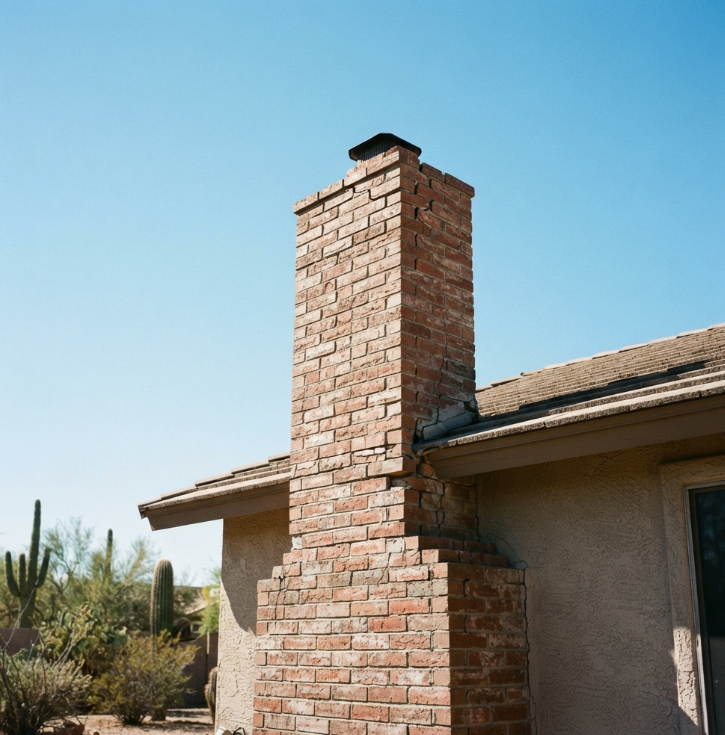
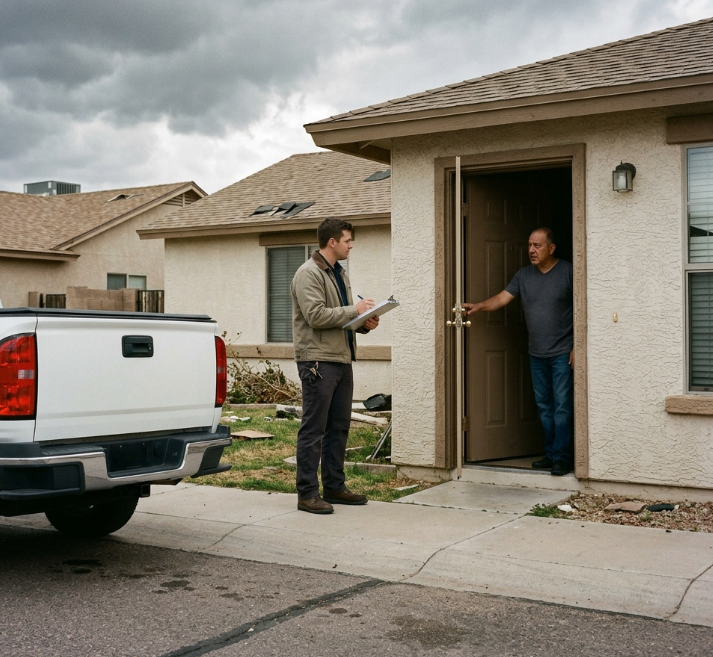
A detached casita takes its own direct hit in a monsoon — wind tearing at its roof, hail damaging its exterior, a tree or storm debris impacting the structure separately from anything that happens to the main house. Because it's a physically separate structure, storm damage to a casita is scoped and valued against the Other Structures limit independently of whatever storm damage the main home sustained. A homeowner whose main house has plenty of dwelling coverage remaining can still find their casita's storm damage claim capped well below the actual repair cost, because that structure draws from its own, much smaller pool.
This is different from smaller detached items like pergolas or freestanding shade structures, which also fall under Other Structures but represent far less value. A casita or detached ADU is a genuine living structure — bedroom, bathroom, sometimes a full kitchen — carrying real rebuild cost, sitting under the same limited coverage category as a shed. That mismatch is exactly where the gap shows up hardest after a storm event.
Why This Catches So Many Arizona Homeowners Off Guard
Casitas are treated like an extension of daily life, not a "structure." Families use them as guest rooms, home offices, rental income units, or space for aging parents. Functionally, they feel like part of the house. On the policy, they're categorized entirely differently.
They're often added or upgraded after the original policy was written. A casita, guest house, or ADU built or renovated years after the home was purchased sometimes isn't properly reflected in the policy's Other Structures limit — the coverage amount was set based on a smaller or nonexistent guest house, and never updated as the structure was finished out or expanded. This has become more common recently as Arizona's loosened ADU regulations have led to a wave of new detached units added to existing properties.
Nicer casitas make the gap bigger. A basic, unfinished casita might genuinely rebuild for close to its Other Structures limit. A fully finished guest house with a kitchen, bathroom, high-end flooring, and custom finishes can cost dramatically more to rebuild — while the coverage percentage tied to it stays the same 10 percent of dwelling coverage.
Rental use adds another layer. If a casita or ADU is used as a short-term or long-term rental — increasingly common across the Valley — there are additional coverage and liability considerations that a standard homeowner's policy may not fully address for that use.
What a Casita Loss Actually Looks Like
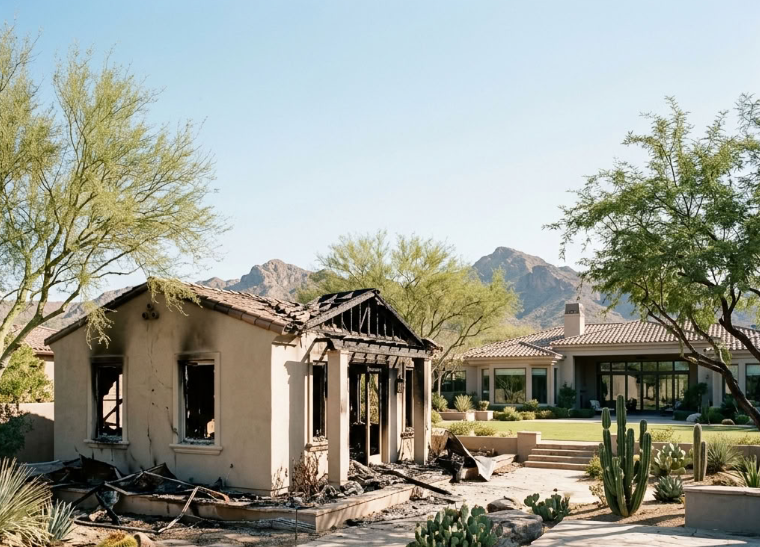
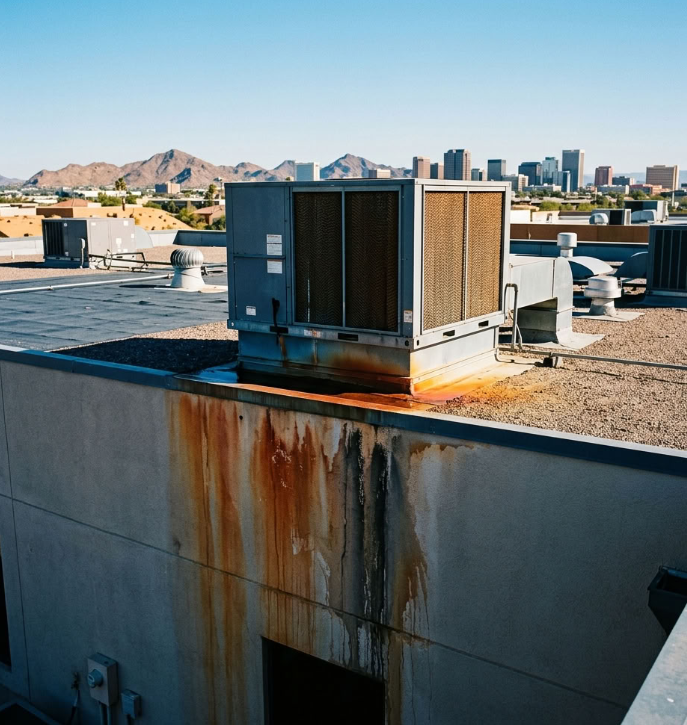
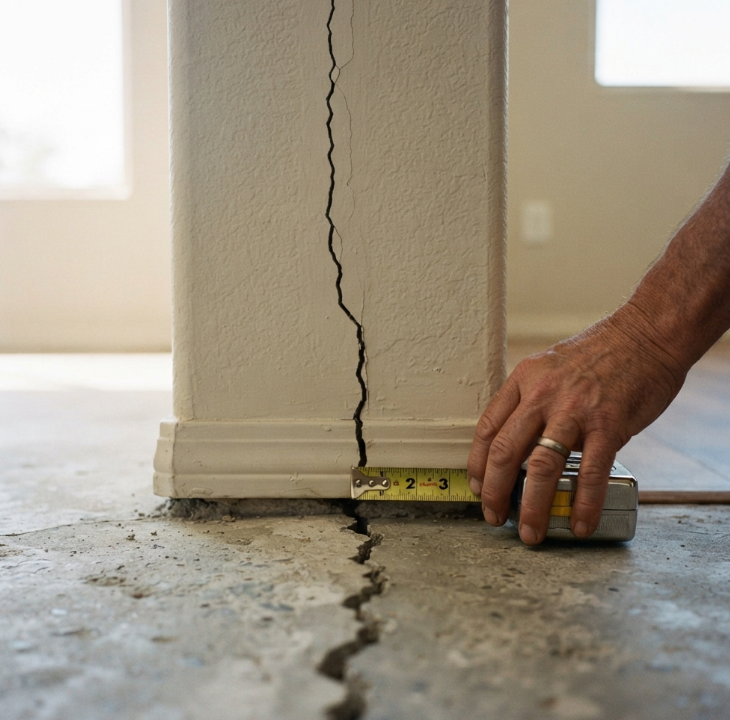
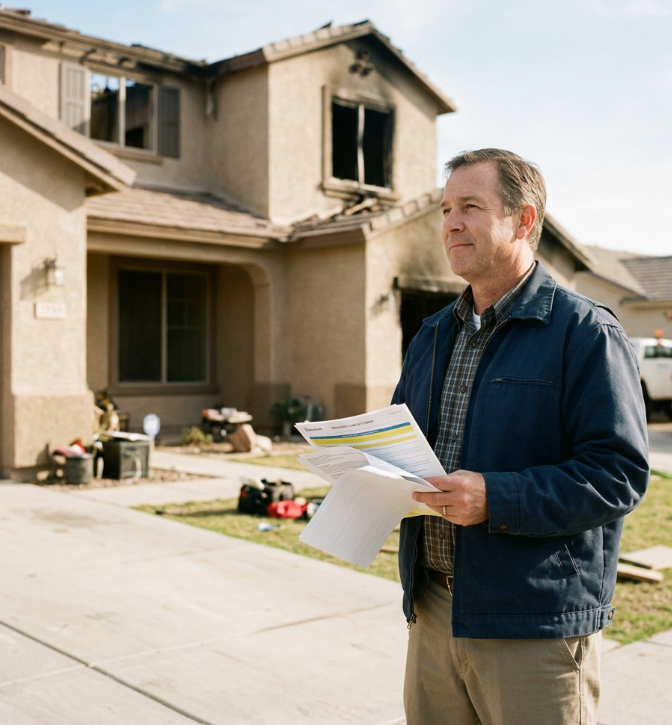
A kitchen fire in the guest house. A slab leak or roof leak flooding the interior. Monsoon wind or hail tearing up the casita's roof independently of the main house. All of these are handled by your carrier as legitimate covered losses — the question isn't whether the damage is covered, it's whether the amount of coverage available is enough to actually rebuild what was there.
This is functionally the same underinsurance problem that affects main dwellings — the payout falls short of the real rebuild cost — but it's often more severe with casitas and detached ADUs because the coverage percentage is set so much lower than the main house, and because these structures have often been upgraded well beyond what the original coverage calculation assumed.
What to Do Before a Loss
Confirm whether your suite is attached or detached, and how it's covered accordingly. This is the first question, and it determines everything else. An attached NextGen suite typically falls under dwelling coverage; a detached casita or guest house typically doesn't.
Find out exactly what your Other Structures limit is, and what it's based on. Ask your agent directly: what is my Other Structures coverage amount, and does it reflect the current condition and finish level of my casita or guest house?
Get a realistic rebuild estimate for the casita specifically. Not the home's overall rebuild cost — the casita's, based on its actual square footage, finishes, and current construction costs. If that number exceeds your Other Structures limit, you have a gap to address before a loss, not after.
Consider increasing the Other Structures coverage or adding a scheduled endorsement. If your casita is finished out to a high standard or used for rental income, a standard percentage-based limit may not be enough, and your policy may allow for an increased or separately scheduled amount specifically for that structure.
Confirm the structure was actually permitted and disclosed to your carrier. An undisclosed or unpermitted casita carries a separate and more serious risk than an underinsured one — in some cases it can jeopardize the entire claim, not just cap the payout. If you're not certain of your casita's permit history, it's worth verifying before you need to file a claim.
Update your policy any time the casita is finished, renovated, or expanded.
The same way a kitchen remodel on your main house should trigger a coverage review, finishing out or upgrading a casita should too — and the same review should happen after any roof or structural upgrade to the casita as well.
If You're Facing a Casita Loss Right Now
If your casita has already been damaged — by fire, water, or storm — and the payout looks short relative to what it will actually cost to rebuild, confirm first whether the number reflects the true Other Structures limit correctly applied. Beyond that, the same options that apply to any underinsurance situation apply here: check for any extended or additional coverage provisions, prioritize the rebuild scope to fit available funds if a genuine gap exists, and get an accurate, honest estimate of what the actual rebuild requires so you know exactly where you stand.
Why This Matters for Whoever Rebuilds It
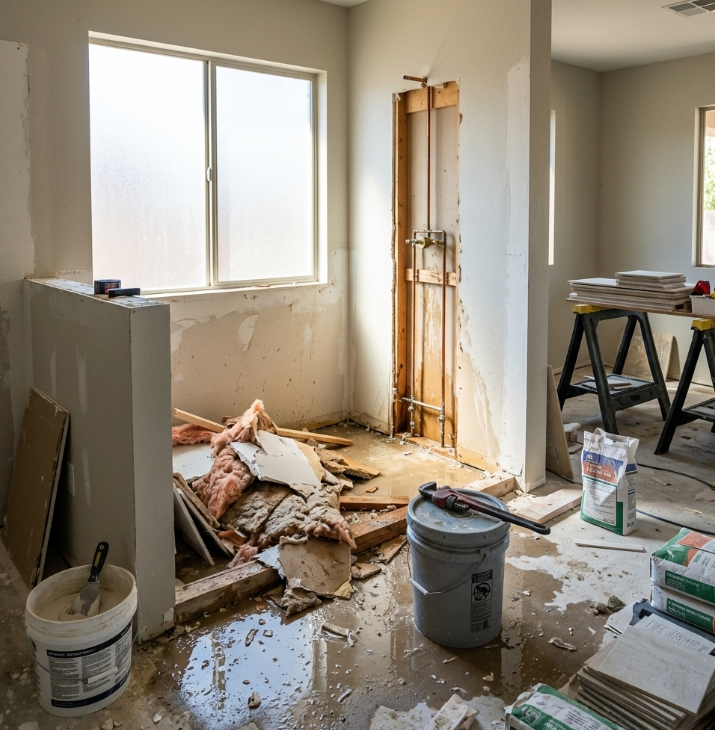
A casita rebuild deserves the same standard of documentation and scope accuracy as a main house loss — moisture mapping for a water event, proper structural assessment for fire or storm damage, an accurate Xactimate estimate reflecting the casita's actual finish level. Because Other Structures claims are smaller in absolute dollars, they sometimes get less scrutiny from a contractor than a main-house claim — which is exactly backwards, given how often the coverage gap is already tight.
We Also Build New Casitas and ADUs — The Right Way
If you're building a new casita, guest house, or NextGen-style suite rather than restoring a damaged one, the same principle applies from a different angle: getting the permitting, coverage disclosure, and construction right from day one prevents the exact coverage gaps and claim risks covered above. RCS Builders designs and builds casitas and additions across Greater Phoenix as a licensed general contractor, with permits pulled properly from the start and a finished structure with a clean legal record — so there's no scramble later to figure out whether it was ever disclosed to your carrier or properly permitted.
RCS Builders restores casitas, guest houses, detached and attached structures across Greater Phoenix — whether the cause is fire, water, or monsoon storm damage — with the same documentation discipline we apply to any loss. And if you're planning a new casita or ADU, we can build it correctly from the start. If your casita has been damaged, or you want a realistic rebuild estimate to check against your current coverage before anything happens,
call us at 480-204-9035.
Related: