Complete Restoration After Mold Removal & Remediation Is Finished
Mold remediation removes contamination — but it does not restore your property.
After containment, demolition, and clearance testing are complete, damaged areas still require professional rebuilding. Without proper post-remediation repairs, homes and buildings remain incomplete, exposed, and vulnerable to further issues.
Post-remediation reconstruction restores structural integrity, finishes, and functionality — returning the property to pre-loss condition safely and professionally.
What Are Post-Remediation Repairs?
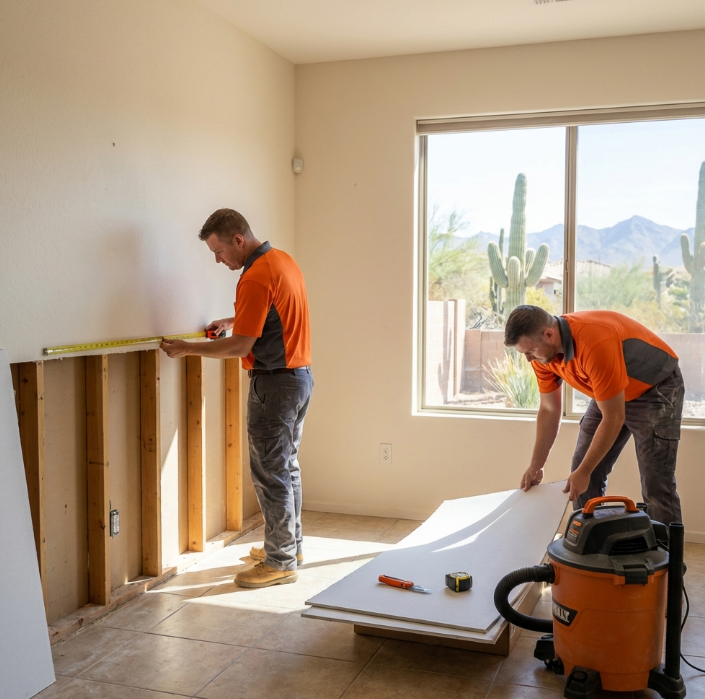
Post-remediation repairs begin after certified mold removal and clearance verification are completed. At this stage, affected materials such as drywall, insulation, flooring, cabinets, and trim have often been removed.
The rebuild process includes:
- Drywall replacement and finishing
- Texture matching
- Interior painting
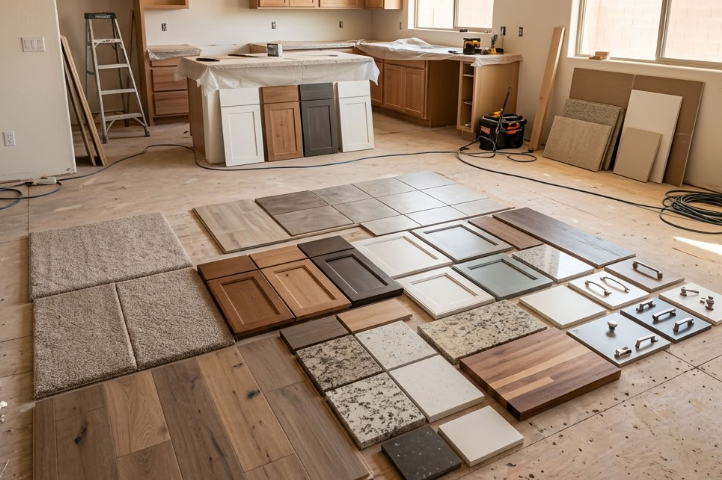
- Cabinet installation
- Baseboards and trim replacement
- Flooring installation (tile, laminate, LVP, hardwood, carpet)
- Door and casing repair
- Minor framing repairs if required
The objective is to fully restore the affected areas — not just patch them.
Why Proper Rebuild After Mold Matters
When moisture damage leads to mold growth, structural materials are often compromised. Improper rebuilds can lead to:
- Visible texture mismatches
- Paint inconsistencies
- Subfloor instability
- Cabinet misalignment
- Recurring moisture intrusion
- Reduced property value
A disciplined post-remediation rebuild ensures the property is returned to safe, durable, and aesthetically consistent condition.
The Transition from Mitigation to Reconstruction
There is a critical handoff between mold remediation and reconstruction.
Professional contractors coordinate:
- Clearance confirmation
- Moisture verification
- Scope development
- Insurance documentation
- Controlled rebuild scheduling
This structured transition prevents contamination risk and ensures the rebuilding process starts on clean, dry, and verified surfaces.
Insurance-Supported Post-Remediation Repairs
Many mold losses stem from covered water events such as plumbing failures or storm-related intrusion. When insurance applies, post-remediation reconstruction typically requires:
- Xactimate-based estimating
- Carrier scope alignment
- Supplement documentation
- Material grade matching
- Professional invoice tracking
Working with an insurance-aligned contractor helps streamline approvals and minimize administrative delays. For more details about
mold coverage click here.
Common Areas Requiring Post-Remediation Rebuild
Mold damage most often affects:
- Bathrooms
- Kitchens
- Laundry rooms
- Baseboards and lower drywall sections
- Under-sink cabinetry
- Shower surrounds
- Flooring near water sources
- Ceiling drywall from roof leaks
Professional rebuilding ensures these spaces are restored fully — not partially.
Texture & Finish Matching Matters
One of the most noticeable issues after mold repair is poor texture blending.
Experienced rebuild contractors carefully:
- Match existing wall texture
- Blend new drywall seamlessly
- Align paint sheen and tone
- Integrate trim and baseboards cleanly
The goal is a finished result that does not visibly reveal the prior damage.
Residential & Light Commercial Post-Remediation Repairs
Post-remediation reconstruction is common in:
- Single-family homes
- Condominiums
- Multi-family properties
- Senior living units
- Office spaces
- Retail environments
In occupied properties, structured scheduling helps reduce disruption while restoring full usability.
Build Back Fully — Not Just Functionally
Mitigation addresses health and contamination concerns.
Reconstruction restores livability and property value.
A complete post-remediation rebuild focuses on:
- Structural integrity
- Moisture control
- Professional craftsmanship
- Long-term durability
- Visual continuity
Restoring the property properly ensures confidence for occupants, buyers, and property managers.|
Serving Greater Phoenix
Post-remediation repair and rebuild services are available throughout:
- Phoenix, Scottsdale, Tempe, Mesa, Chandler, Gilbert, Glendale, Peoria, Surprise, Goodyear, Avondale, Queen Creek, San Tan Valley, Maricopa, Anthem, Carefree, and Cave Creek.
Frequently Asked Questions About Post-Remediation Repairs & Rebuild
How soon can repairs begin after mold remediation?
Repairs can begin once remediation is fully completed and clearance testing confirms the area is dry and contamination-free. Moisture levels must be verified before reconstruction starts to prevent recurring issues.
Does insurance cover post-remediation repairs?
In many cases, yes. If mold growth resulted from a covered water loss — such as a plumbing failure or storm-related intrusion — insurance policies often include coverage for necessary reconstruction after mitigation. Proper documentation and scope alignment are critical.
What materials are typically replaced after mold remediation?
Common materials removed during remediation include:
- Drywall
- Insulation
- Baseboards
- Flooring
- Cabinetry
- Trim
- Portions of framing if compromised
Reconstruction restores these components fully and professionally.
Will the repaired area match the rest of my home?
Yes. Proper post-remediation rebuilding includes texture matching, paint blending, trim alignment, and material consistency to ensure the repaired area integrates seamlessly with the surrounding space.
Can mold return after repairs are completed?
If the underlying moisture issue has been corrected and the rebuild is performed on dry, verified materials, mold should not return. Proper moisture control and professional reconstruction are essential to long-term prevention.
Do I need a different contractor for repairs after remediation?
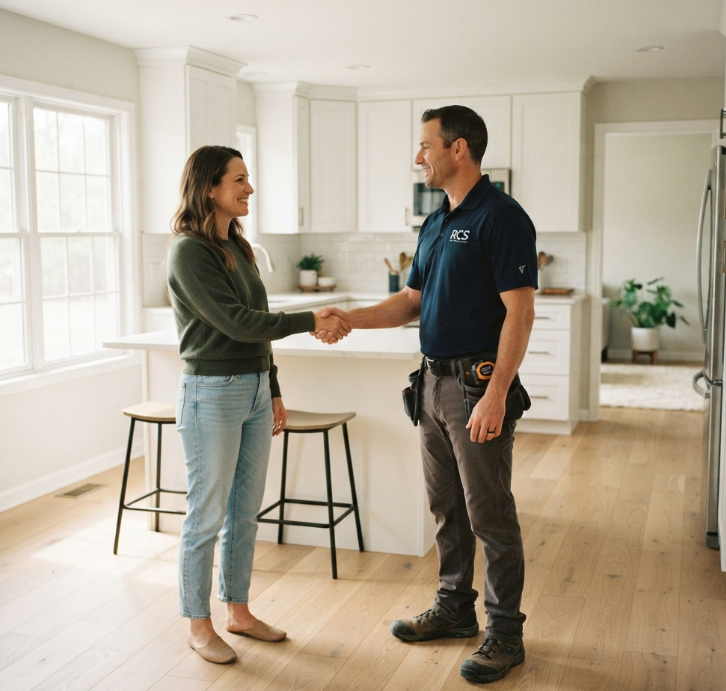
Not necessarily. Some companies only perform mitigation and do not handle reconstruction. Choosing a contractor experienced in both phases ensures a smoother transition and consistent project oversight.
Complete the Recovery Process
Mold remediation is only the first phase of recovery.
Professional post-remediation repairs restore the space fully — from drywall and flooring to cabinetry and paint — ensuring your property is returned to safe, functional, and finished condition.
If mitigation is complete and rebuilding is the next step, structured reconstruction ensures the project is finalized properly.
For more information visit our
Mold Remediation page or call us at (480) 204-9035.