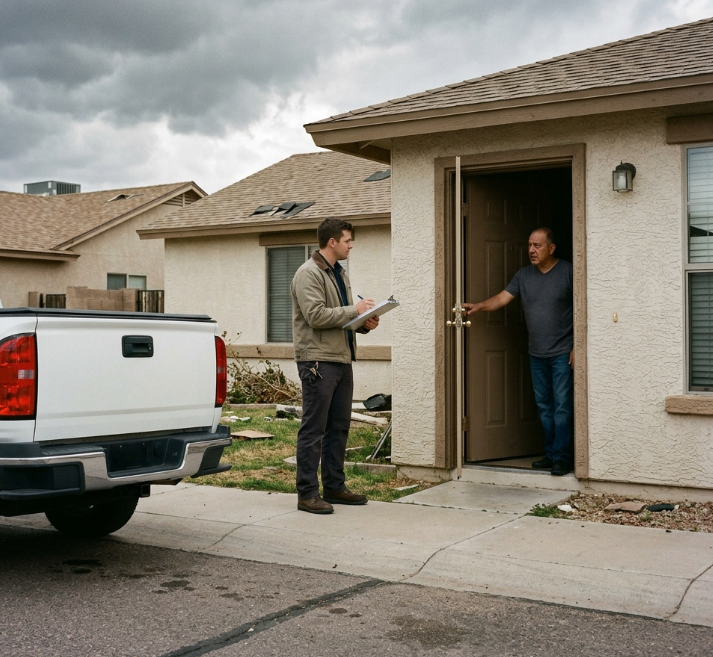
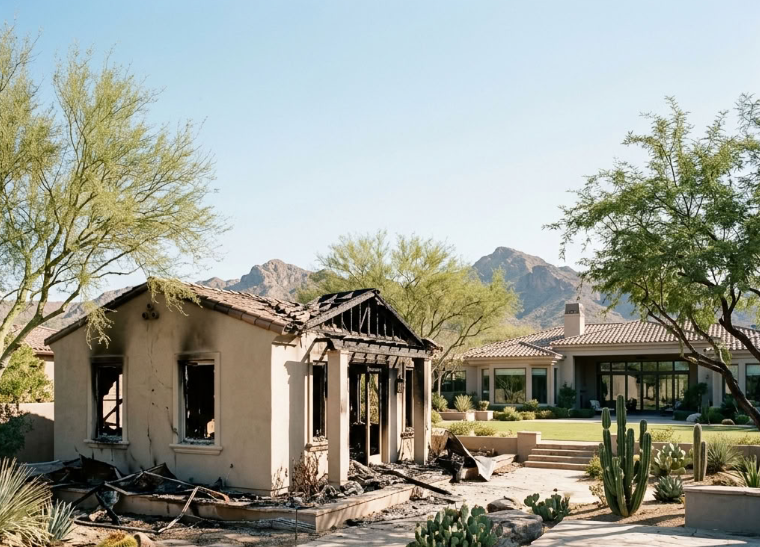
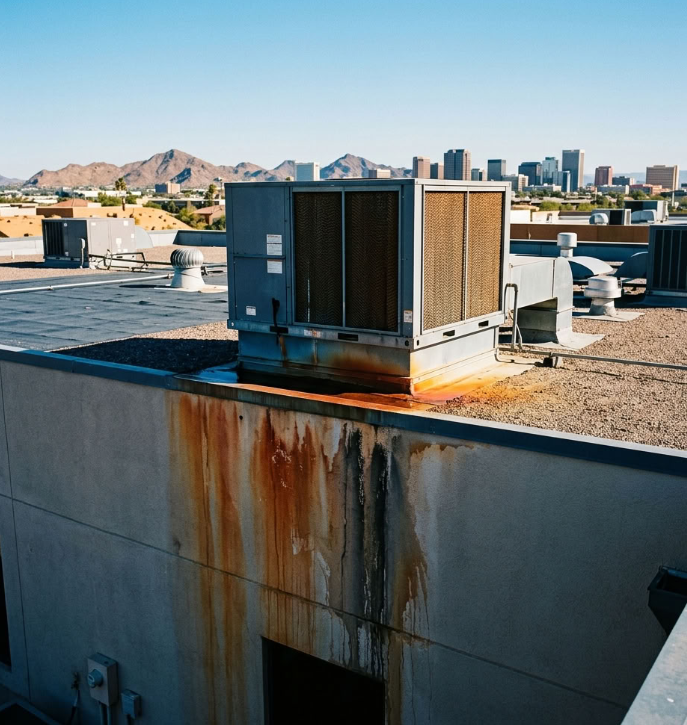
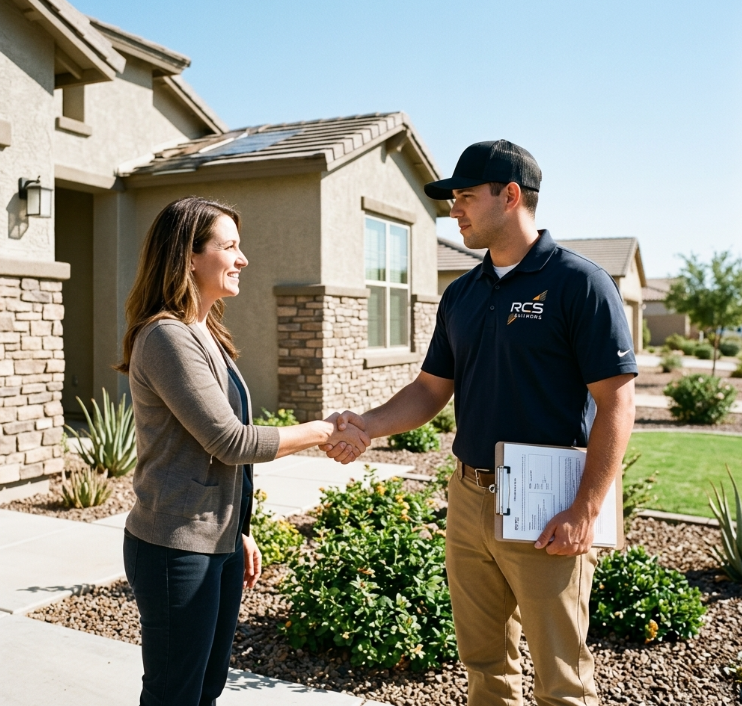
The monsoon rolls through, tears up roofs and floods streets across the Valley, and within a day or two there's a knock at the door. Someone with a clipboard and an out-of-state accent says they were "working in the neighborhood," noticed your roof looks damaged, and can get you taken care of right away — today, if you sign now.
This is the storm chaser, and they arrive in Greater Phoenix like clockwork after every significant storm event. Some are simply aggressive out-of-area operators. Some are outright fraud. Either way, the pattern that lands them at your door after a monsoon is the same pattern that leaves property owners with bad work, stolen deposits, or voided insurance claims.
Here's how to recognize them and protect yourself.
What a Storm Chaser Actually Is
Storm chasers are contractors — or people posing as contractors — who follow major weather events from market to market, descending on an area after a significant storm to capitalize on the surge of damaged properties and desperate owners.
They're not rooted in the community they're working in. They don't have a local business presence, a local track record, or any intention of being around when problems surface months later. Their model is volume and speed: hit a storm-struck market hard, sign as many jobs as possible while owners are stressed and vulnerable, do fast work or collect deposits, and move on to the next storm before the consequences catch up.
Not every out-of-area contractor after a storm is a fraud, and not every storm chaser does outright criminal work. But the model itself — transient, high-pressure, gone before accountability arrives — is structurally set up in ways that put property owners at risk. The good local contractors are still there next year. The storm chaser is in another state.
Why Monsoon Season Brings Them to the Valley
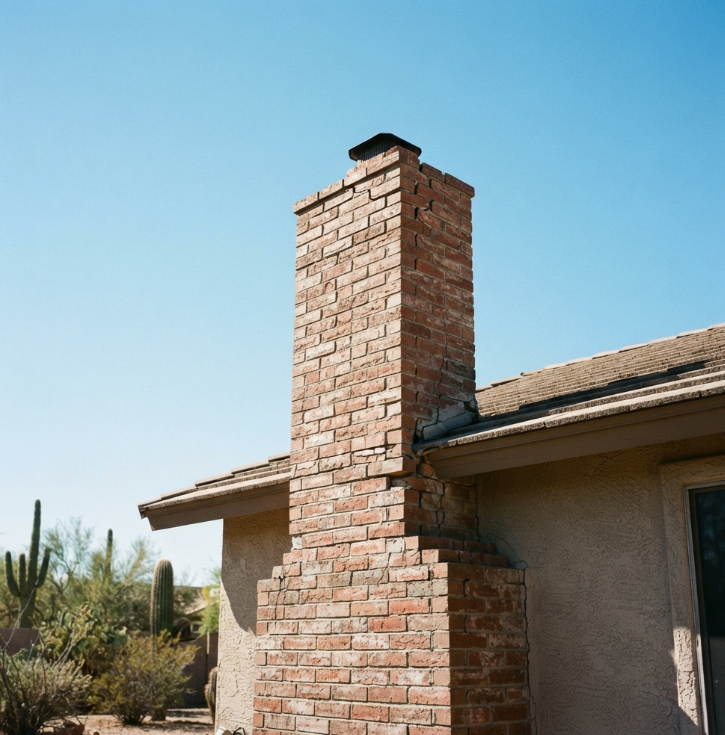
Greater Phoenix is a predictable target because the monsoon is a predictable, large-scale, recurring event. Every year from roughly mid-June through September, the Valley gets hit with storms that damage large numbers of properties across a wide area in a short time. That concentration of simultaneous damage is exactly what draws storm chasers.
A single significant monsoon event can damage thousands of roofs and structures across the metro in an afternoon. That creates a surge of property owners who all need help at once, many of them stressed, many unsure how to proceed, many vulnerable to a confident stranger offering to make the problem go away. For an operator whose model depends on volume and pressure, that surge is the opportunity.
The scale of the Valley amplifies it. With most of Arizona's population concentrated across Maricopa and Pinal Counties, a monsoon that hits the metro hits an enormous number of properties — and draws a corresponding wave of out-of-area operators looking to work the aftermath.
The Red Flags That Should Stop You
Storm chasers follow recognizable patterns. These are the warning signs that should put you on guard.
Unsolicited door-to-door solicitation after a storm. This is the single most common storm chaser pattern. Reputable, established local contractors generally aren't going door to door drumming up work after a monsoon — they're busy serving their existing client base and responding to calls. Someone showing up uninvited, especially right after a storm, claiming they noticed your damage, is exhibiting the classic storm chaser behavior.
High-pressure urgency to sign immediately. "You need to sign today." "This price is only good right now." "I can get to you first thing tomorrow but only if you commit now." Manufactured urgency designed to get you to commit before you can think, verify, or compare is a hallmark of the model. Legitimate contractors don't need you to sign under pressure.
Out-of-state license plates, no local presence. Check whether they have a verifiable local business — a real local address, a phone number that's answered, a track record in the Valley. Out-of-state plates on the truck and no findable local presence are strong signals you're dealing with someone who won't be here when you need them.
Demands for large upfront payment, especially cash. A demand for full payment or a large deposit before work begins — particularly in cash — is one of the most reliable signs of fraud. The deposit-and-disappear scam depends on getting your money before doing the work. Legitimate contractors don't require large upfront cash payments.
Can't or won't verify an Arizona ROC license. Any legitimate contractor doing this work in Arizona should hold a license from the Arizona Registrar of Contractors, and you should be able to verify it yourself at azroc.gov. If they can't provide a license number, or it doesn't check out, or they're evasive about it, that's disqualifying.
Offers to "waive your deductible" or pay it for you. This one sounds like a favor and is actually a red flag — and often insurance fraud. A contractor offering to absorb or waive your insurance deductible is frequently inflating the claim to cover it, which is fraud that can leave you exposed. Legitimate contractors don't do this.
Pressure to sign over your insurance claim. Some storm chasers push you to sign a document — sometimes an "assignment of benefits" — that hands them control of your insurance claim. Signing over control of your claim to a transient operator you just met is dangerous. Be extremely cautious about any document that assigns your claim rights.
Vague or no written contract. Reluctance to put a clear, detailed scope and price in writing is a warning. If they want a signature on something vague, or want to proceed on a handshake, don't.
The Scams That Follow These Patterns
The red flags above lead to a handful of recurring outcomes that hurt property owners.
Deposit and disappear. They collect a large upfront payment and either never return or do minimal work before vanishing. Your money's gone and there's no local entity to pursue.
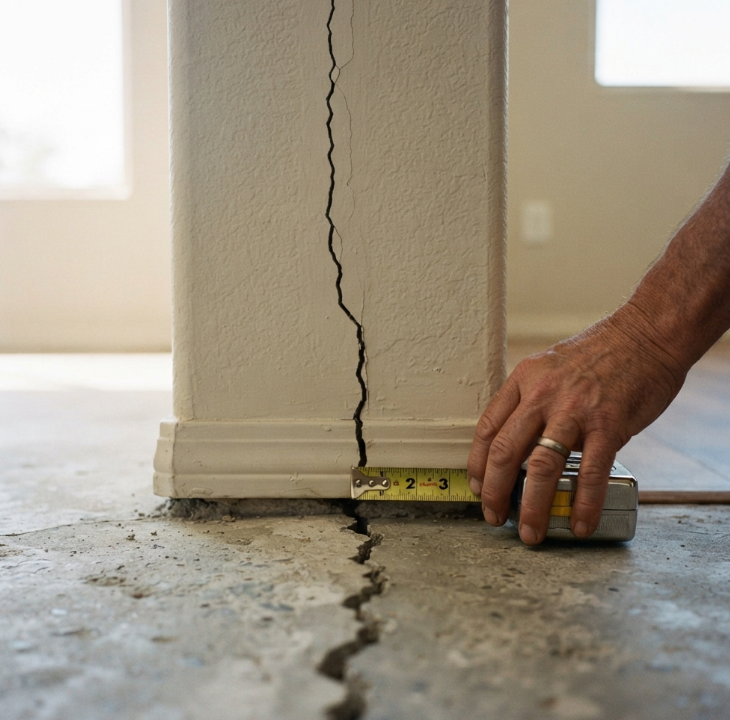
Fast, substandard work. They do the job quickly and cheaply, cutting corners that aren't visible immediately. Months later — often after they've left the state — the work fails, and you have no recourse against a contractor who isn't around and may not have been properly licensed or insured.
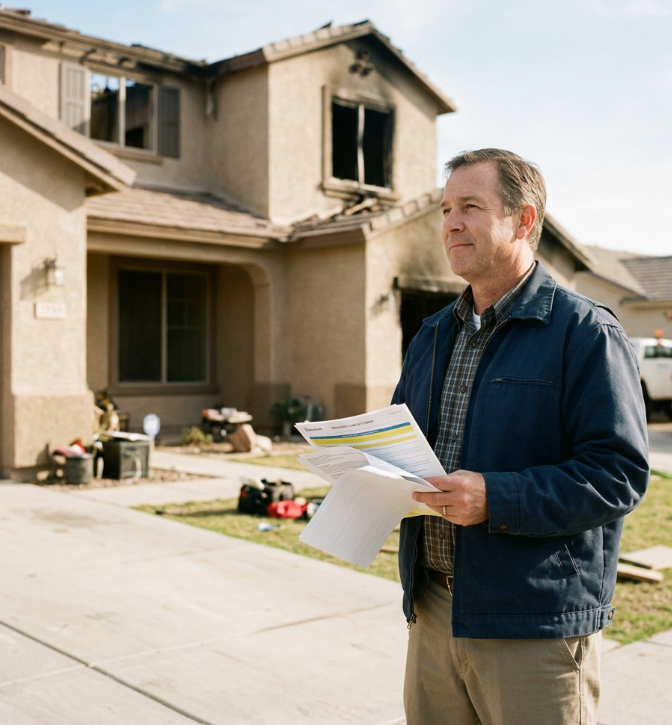
Insurance fraud that lands on you. Inflated claims, "waived" deductibles covered by padding the scope, or fabricated damage. When the fraud is discovered, the property owner can be left exposed to the consequences even if they didn't understand what the contractor was doing.
Claim mishandling. A transient operator who doesn't know how to document or handle an insurance claim properly can mishandle it in ways that leave you underpaid or with a stalled claim — and then they're gone, leaving you to sort out the mess.
Unlicensed work with no protections. Work done by an unlicensed operator can fail inspection, complicate your insurance coverage, and leaves you without the protections — like the Arizona ROC recovery fund and complaint process — that come with hiring a licensed contractor.
How to Protect Yourself
The protections against storm chasers are straightforward and mostly fast:
Don't hire under pressure at the door. No matter how urgent it feels, don't sign with someone who showed up uninvited and is pressuring you to commit on the spot. Real emergencies still allow time to verify a contractor — and mitigation can begin while you do.
Verify the ROC license yourself. Look them up at azroc.gov. Confirm the license is active, in good standing, and appropriate for the work. This takes minutes and screens out a huge portion of bad actors.
Confirm local presence and track record. A real local address, a working phone number, references from Valley jobs, a findable history in the market. Storm chasers fail these checks.
Never pay large sums upfront, especially cash. Legitimate contractors don't require it.
Be extremely cautious with your insurance claim. Don't sign over your claim rights or agree to deductible "waivers." Handle your claim through your own carrier and a contractor you've vetted.
Get everything in writing. A clear, detailed, written scope and price. No handshake deals, no vague documents.
Call a contractor you sought out, rather than one who sought you. The single best protection is initiating contact with an established local contractor you found and vetted yourself, rather than trusting one who appeared at your door. Flip the dynamic — you choose them, not the other way around.
Why Local and Established Matters Most After a Storm
The through-line of every storm chaser protection is the same: choose a contractor who's rooted in the community and will be here after the work is done.
A local, established contractor has a reputation in the Valley to protect, a physical presence you can find, a track record you can check, and accountability that doesn't evaporate when they cross a state line. If a problem surfaces six months later, they're still here. If you need warranty work, they're reachable. If there's a question about the insurance claim, they know the local carriers and adjusters and they're invested in getting it right — because their next job depends on their reputation in this market.
The storm chaser has none of that. Their model depends on being gone before the consequences arrive. That structural difference is why, after a monsoon, the smartest thing a Phoenix property owner can do is ignore the knock at the door and call a contractor who was serving the Valley long before this storm and will be serving it long after.
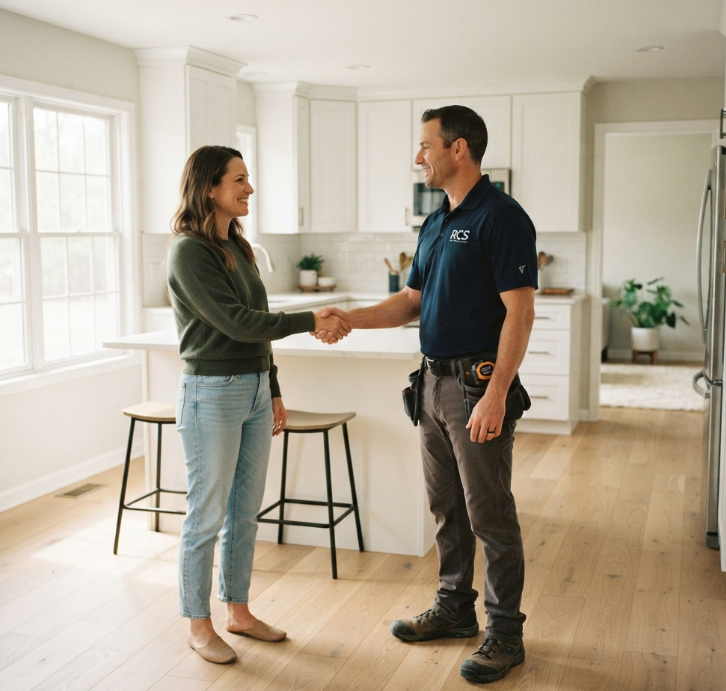
RCS Builders is a family-owned, locally rooted general contractor that's been serving Greater Phoenix through monsoon after monsoon. We're licensed with the Arizona ROC, fully insured, and based right here in the Valley — not following storms from state to state. If a monsoon damaged your property and you want a contractor who'll still be here when the work is done and the claim is settled,
call us at 480-204-9035. And if someone's pressuring you at your door right now, take a breath and call us before you sign anything — we'll give you a straight assessment.
Related: