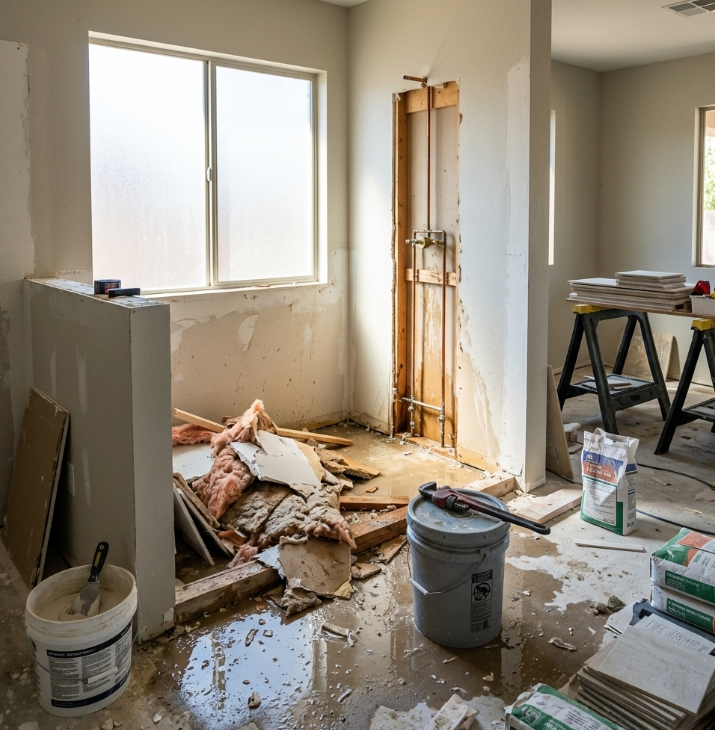
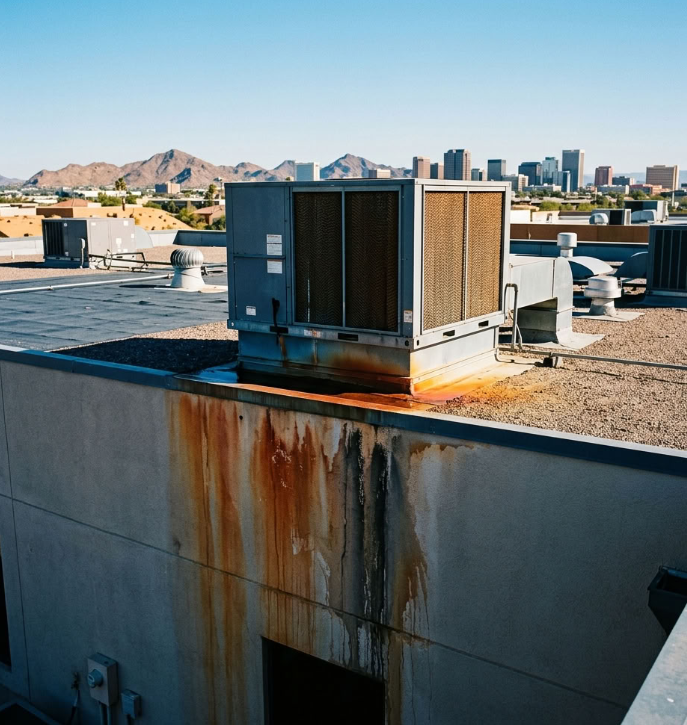
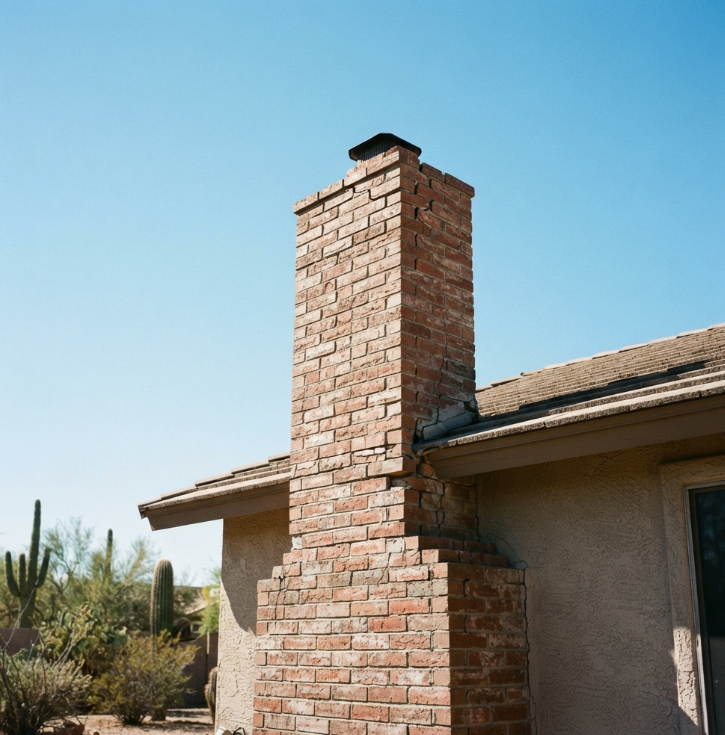
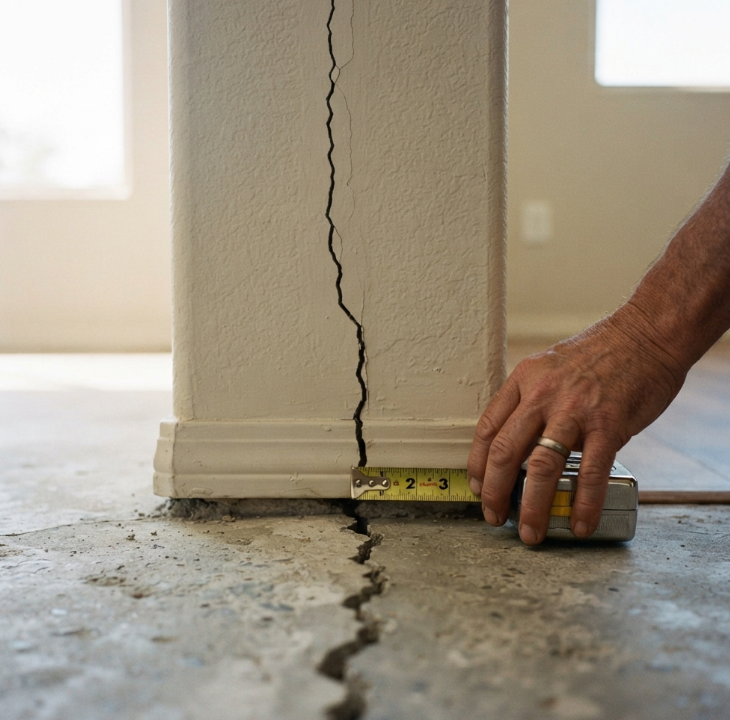
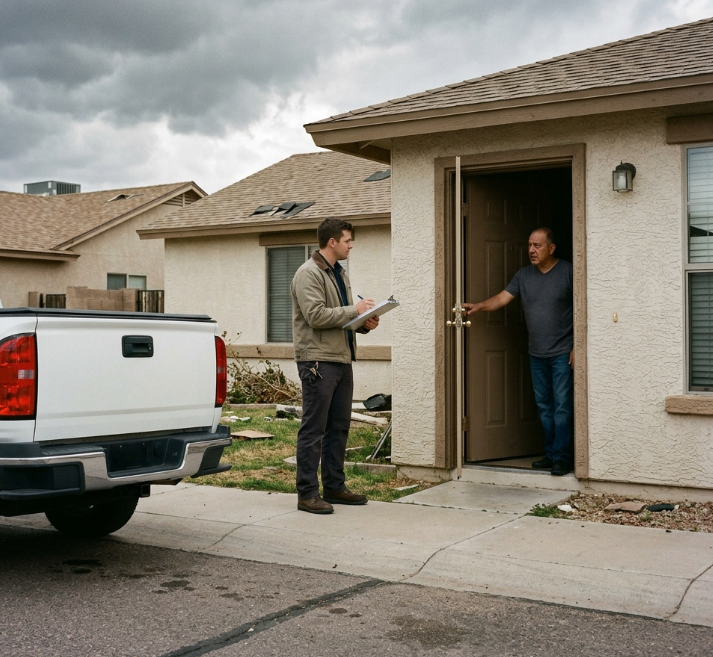
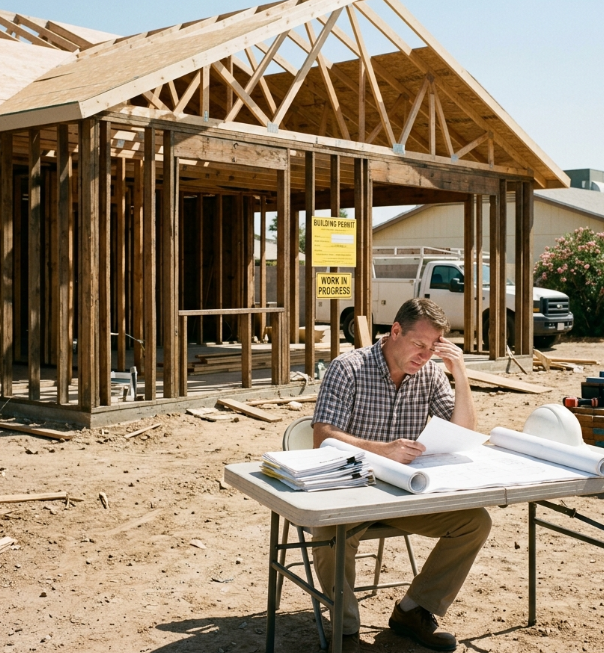
You hired someone to do work on your property — a plumber, a remodeler, a roofer, an electrician, an HVAC tech — and in the course of that work, something went badly wrong. A line got hit and flooded the house. A torch started a fire. A roof got opened up and a storm got in before it was closed. The damage isn't from a random failure or an act of nature. It's because of the work someone was doing.
Now there's a question layered on top of the damage: who's responsible for this, and whose insurance pays? The answer is different from a standard property loss, and getting it right protects you from absorbing a cost that belongs to someone else.
Here's how contractor-caused damage actually gets handled.
Water losses are the most common form of contractor-caused damage — a struck pipe, a plumbing error, a failure during work — so they're the clearest example. But the same liability framework applies whether the contractor's work caused water, fire, structural, or any other damage.
The Key Difference: Someone Else Is at Fault
In most property losses — a pipe that fails on its own, a storm, an appliance that leaks — there's no third party at fault. The loss happens, your insurance responds, and that's largely the framework.
Contractor-caused damage is different because there's a responsible party: the contractor whose work caused the loss. That changes the picture. Instead of simply being your loss to claim against your own policy, it's damage caused by someone else's negligence — which means their liability and their insurance are in play, and the path to getting made whole runs through fault, not just your own coverage.
This distinction matters because it determines who ultimately bears the cost. When a contractor causes damage through negligence, the cost should land on them and their insurance — not on you and your premiums.
The Contractor's Insurance Is the First Answer
A properly licensed and insured contractor carries general liability insurance specifically to cover damage they cause during their work. This is the coverage that's supposed to respond when a contractor's negligence damages your property.
If the plumber hit a line and flooded your house, the plumber's general liability insurance is designed to cover that damage. If the contractor doing your remodel caused a fire, their liability coverage should respond. This is exactly what that insurance exists for — and it's a primary reason verifying a contractor's insurance before hiring them matters so much.
The process generally works like this: you notify the contractor of the damage their work caused, the contractor notifies their liability carrier, and the contractor's insurance handles the claim for the damage. Because the contractor is at fault, their coverage — not yours — is the appropriate source of payment.
This is the clean version, and with a reputable, properly insured contractor, it's often how it goes.
When It's Not Clean: The Complications
Contractor-caused damage doesn't always resolve smoothly, and several complications are common.
The contractor isn't adequately insured. If the contractor doesn't carry sufficient liability coverage — or any — then their insurance can't cover the damage, and recovering from them directly becomes harder. This is one of the biggest risks of hiring an unlicensed or underinsured contractor: when they cause damage, there may be no insurance behind them to make it right, leaving you pursuing them directly, which is slow and uncertain.
The contractor disputes fault. The contractor may deny that their work caused the damage, or argue that something else was responsible. When fault is disputed, the clean path — their insurance simply covering it — stalls, and establishing causation becomes the central issue.
The contractor or their carrier is unresponsive. Even when fault is clear, getting a contractor's carrier to respond promptly and pay fairly isn't always straightforward. The process can drag.
The damage is severe and exceeds the contractor's coverage. A catastrophic loss caused by a contractor may exceed their liability limits, leaving a gap.
In these situations, your own insurance and the subrogation process often become the practical path forward.
How Your Own Insurance Fits In
Even when a contractor caused the damage, your own property insurance is often the faster, more reliable path to getting your property restored — with the fault question resolved afterward.
Here's how it works: you file a claim with your own carrier, your carrier pays to restore your property promptly, and then your carrier pursues the responsible contractor (and their insurance) through subrogation to recover what they paid. Subrogation is the process by which your insurer steps into your shoes and goes after the at-fault party to recoup the claim cost.
This approach has real advantages. Your property gets restored quickly rather than waiting for the fault question to resolve. Your carrier — with its resources and expertise — pursues the contractor rather than leaving you to fight that battle alone. And if the subrogation is successful, your deductible may be returned to you.
The tradeoff is that it's your claim, which can affect your premium and claim history even though you weren't at fault — though a successful subrogation, where your carrier fully recovers from the responsible party, can mitigate this. Whether to go through your own carrier or pursue the contractor directly depends on the specifics: the severity of the damage, the contractor's insurance and responsiveness, and how quickly you need your property restored.
Don't Undercut Subrogation by Settling Directly
This is a critical point that catches people off guard, and it connects to how subrogation works.
If you file a claim with your own carrier and they pay it, your carrier now has subrogation rights against the responsible contractor. If you then independently settle with the contractor — accept a payment from them directly, sign a release, agree to let it go — you may impair or eliminate your carrier's ability to pursue subrogation. And if you've done that after your carrier already paid your claim, you can end up creating a serious problem for yourself, because you've undercut the recovery your carrier was counting on.
The rule: if your carrier has paid or is handling a claim for contractor-caused damage, do not independently settle with the contractor without coordinating with your carrier first. Let the subrogation process work rather than cutting a side deal that undermines it.
The Documentation That Determines the Outcome
Contractor-caused damage claims turn on establishing that the contractor's work caused the loss — which makes documentation even more important than in a standard property claim.
Document thoroughly and immediately: the damage itself, the connection between the contractor's work and the damage, the state of the work area, and anything showing the failure originated from what the contractor was doing. Photograph the point of origin before it's disturbed. If a struck line, an improper installation, or a work error caused the loss, that evidence is what establishes fault.
Preserve the evidence. If the failure involves a specific component the contractor worked on, that physical evidence may be central to establishing causation — don't let it be disposed of or repaired away before it's documented.
Keep records of the contractor relationship: the contract, the scope of their work, communications, and anything establishing what they were doing and when. This context supports the causation case.
Your restoration contractor's documentation matters here too. A restoration contractor who documents the cause of loss — establishing that the damage originated from the other contractor's work — is creating the evidence that supports both your insurance claim and any subrogation or direct claim against the at-fault contractor.
What to Do When a Contractor Causes Damage
Mitigate immediately. Same principle as every loss — don't let the damage spread while you sort out fault. Get the damage stabilized and mitigated right away.
Document exhaustively. The damage, the cause, the connection to the contractor's work, the work area. More documentation than you think you need, because fault is the central question.
Notify the contractor. Inform the contractor whose work caused the damage. A reputable contractor will engage their liability carrier. Their response tells you a lot about how this is going to go.
Notify your own carrier. Report the loss to your own insurer, especially if the contractor is unresponsive, disputes fault, or is inadequately insured. Your own coverage may be the faster path to restoration.
Don't settle directly without coordinating with your carrier. If your carrier is involved, let the subrogation process work rather than cutting a side deal that undermines it.
Consider legal counsel for significant losses. When the damage is severe, the contractor disputes fault, or the contractor is inadequately insured, an attorney experienced in construction and property damage claims can help you navigate the fault and recovery questions.
The Bottom Line
When a contractor causes property damage, the key difference from a standard loss is that someone else is at fault — which means their liability insurance should be the source of payment, and the path to getting made whole runs through establishing fault. With a reputable, properly insured contractor, their coverage often handles it cleanly. When it's not clean — disputed fault, inadequate insurance, an unresponsive carrier — your own insurance and the subrogation process are usually the practical path forward, with the important caveat not to settle directly in a way that undermines your carrier's recovery.
The throughline, once again, is documentation: establishing that the contractor's work caused the loss is what supports every path to recovery.
RCS Builders handles restoration for contractor-caused damage across Greater Phoenix, and we document the cause of loss thoroughly — which matters for your insurance claim and for any recovery against the responsible party. If a contractor's work caused damage to your property,
call us at 480-204-9035. We'll get the restoration handled and make sure the documentation supports your position.
Related: