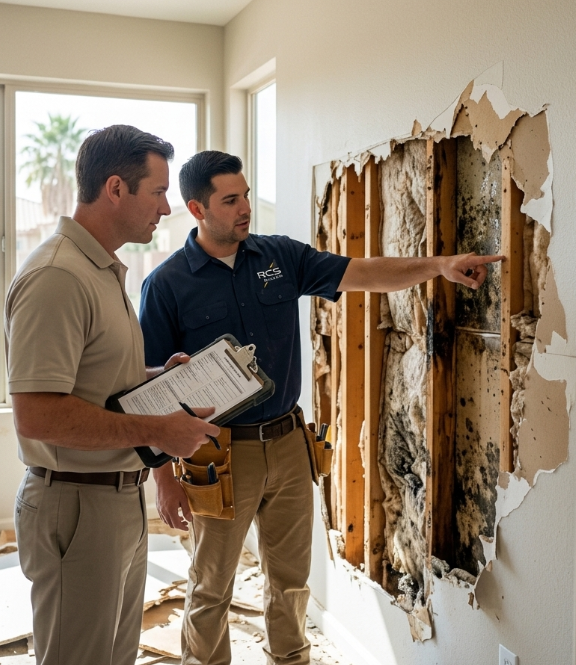
You did what feels responsible: you got a few restoration estimates instead of just hiring the first company that showed up. And now the bids are thousands apart — one at $22,000, one at $38,000, one at $51,000 — and the instinct kicks in to go with the lowest one, or to hand all three to your insurance company and let them sort it out.
Both of those instincts can cost you. Here's why the estimates vary so much, why the lowest number is usually the wrong choice, and why — especially on an insurance claim — the smart move is picking the right contractor and committing rather than chasing bids.
This applies across every type of loss — water, fire, storm, mold, structural. The dynamics are the same regardless of what caused the damage.
The Estimates Aren't Actually for the Same Job
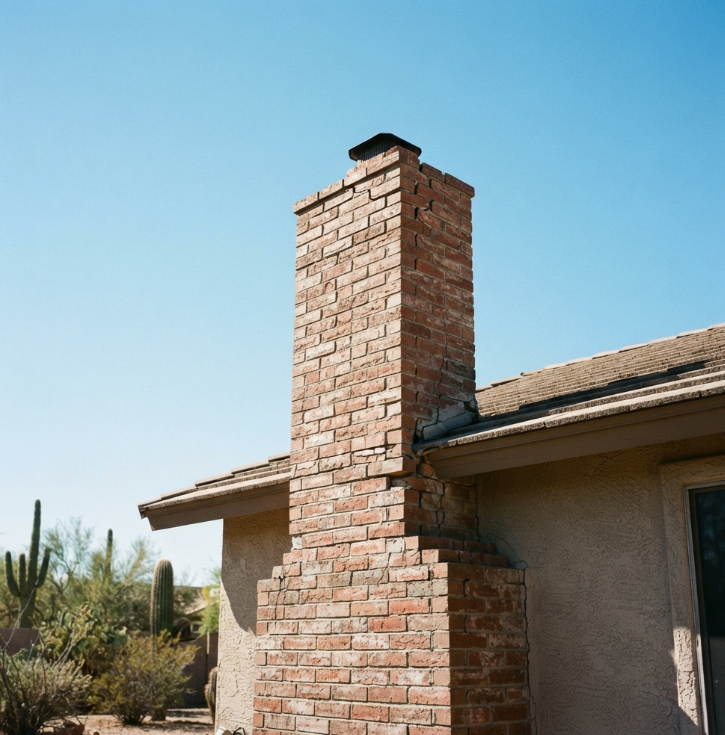
The most important thing to understand: when restoration estimates vary dramatically, it's usually because they're not pricing the same scope of work. They look like they're for the same job — same property, same loss — but what each contractor assessed, included, and plans to do can differ enormously.
A $22,000 bid and a $51,000 bid for the same loss often reflect two genuinely different scopes, not the same work at different prices. One contractor is planning to do far more than the other. Until you understand what's behind each number, the bottom-line figures tell you almost nothing.
This is why comparing restoration estimates on price alone is a mistake. The number at the bottom is meaningless without the scope behind it.
What Actually Drives the Variation
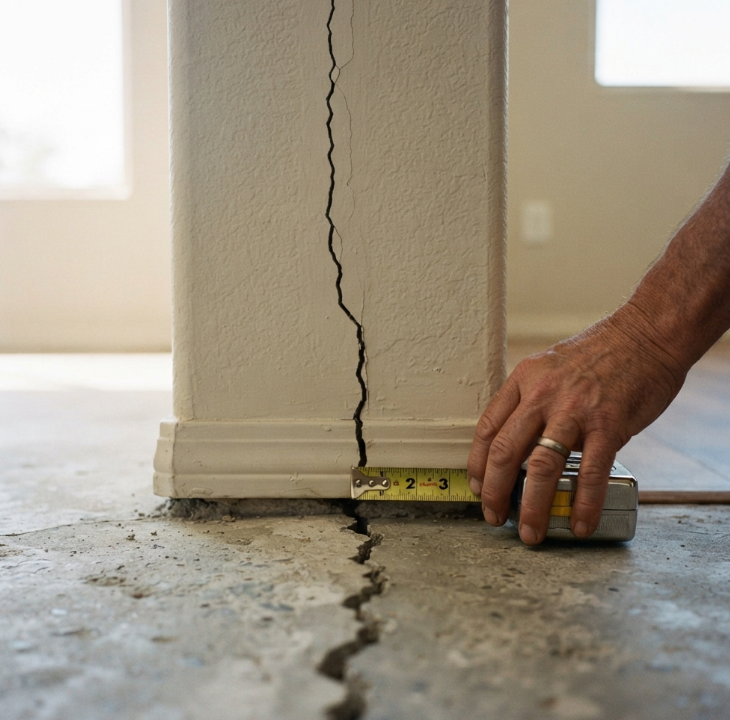
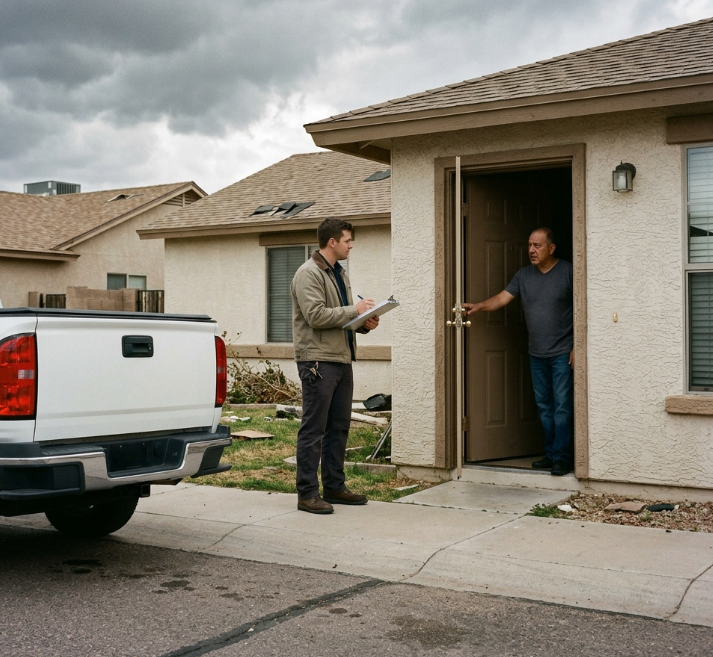
Depth of the damage assessment. One contractor walks the property quickly and prices the visible damage. Another investigates thoroughly — hidden moisture, what's behind the walls, the full likely extent. The thorough assessment produces a higher, more accurate number because it captures damage the quick look missed. The lower bid isn't cheaper for the same work — it's pricing less work because it saw less.
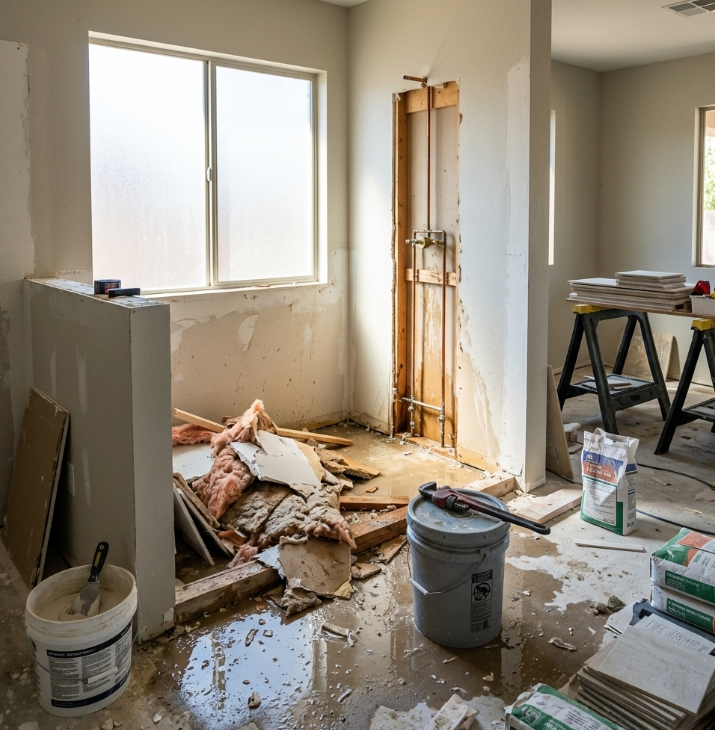
What's included in the scope. Does the estimate include proper drying and moisture verification, or just visible repairs? Matching, or just patching the damaged area? Code-required upgrades? Proper containment and disposal for contaminated materials? The full reconstruction, or only the mitigation? Two estimates can differ by tens of thousands simply because one includes necessary work the other left out.
Quality of materials and workmanship. Quality materials and skilled labor cost more than the cheapest materials and the fastest crew. The difference shows up later — in whether the repair holds, whether the finish matches, whether it passes inspection, whether it lasts.
Complete scope versus partial. A mitigation-only bid looks cheaper than a full-service bid because it's a fraction of the actual work. You're not comparing equivalent numbers.
Documentation and insurance handling. A contractor who documents properly, writes in Xactimate, and handles the claim and supplements is doing work that has real value — it protects your claim and often recovers more of your loss. A contractor who does none of that may show a lower number while leaving you exposed.
Licensing, insurance, and overhead. A properly licensed, insured, credentialed contractor carries real costs an unlicensed operator doesn't — costs that also protect you. A dramatically lower bid sometimes reflects a contractor who isn't carrying what a legitimate operation requires. That's a risk, not a savings.
Why the Lowest Bid Usually Costs the Most
Restoration has real, fairly consistent underlying costs — materials, labor, equipment, the time to dry and rebuild properly. A contractor can't dramatically undercut everyone else while doing the same complete, quality work, because those costs are similar for everyone.
So when a bid comes in far below the others, the usual reasons are that it's missing scope, using lower-quality materials and workmanship, pricing mitigation-only rather than the complete job, or — commonly — it's a bait number that grows through change orders once work is underway. That last one is worth naming plainly: a low bid that expands through repeated change orders is a real tactic. The number that won the job wasn't the real number. By the time the change orders are done, the "cheap" contractor often costs more than the honest higher bid would have.
The lowest bid rarely means the same job for less. It usually means less job, lower quality, or a number that won't hold.
The Insurance Claim Trap — Why Shopping Bids Can Backfire
Here's the part that runs counter to most people's instinct, and it matters most if your restoration is a homeowner's insurance claim.
On an insurance claim, gathering multiple bids and submitting them all to your carrier can actively work against you. Carriers anchor to the lowest number — and as we've covered, the lowest number is usually the incomplete one. Now you've handed your carrier a reason to approve a scope that doesn't cover what your property actually needs, and you're the one left fighting to get the real scope covered or paying the difference out of pocket.
On an insurance claim, you're not trying to find the cheapest contractor. You're trying to get your property restored to its pre-loss condition with as much of the cost covered as your policy allows. That's served by one thorough, properly documented Xactimate estimate that reflects the full legitimate scope — from a contractor who coordinates with your adjuster and pursues supplements as hidden damage surfaces. Not by a pile of competing bids that give the carrier permission to underpay.
Comparison-shopping bids makes sense on cash-pay work or larger commercial projects where you're funding the job yourself and genuinely price-shopping. On a homeowner's insurance claim, it's often the move that costs you the most.
The Real Goal: Pick the Right Contractor, Then Commit
The instinct to collect bids and chase the lowest comes from treating restoration like a commodity purchase — the same product from different sellers, so buy the cheapest. But restoration isn't a commodity. The scope, the quality, the documentation, the insurance handling, and the trustworthiness of the contractor all vary, and they all determine your actual outcome.
The smarter approach is to evaluate contractors on what actually matters and then commit to the right one:
Are they licensed, insured, and credentialed — verifiable, not just claimed? Do they assess the damage thoroughly and write a detailed, itemized scope? Do they handle the full job in-house, mitigation through reconstruction? Do they document properly and know how to work your insurance claim and pursue supplements? Can they walk you through their scope and explain it? Do they have a track record and references in this market?
A contractor who checks those boxes is one you can hand your property to and trust to do it right — and once you've found that contractor, the productive move is to commit and let them execute, not to keep chasing a cheaper number that usually means a worse outcome.
The goal was never the lowest bid. It's the right scope, done right, by someone you can trust — with as much covered by your claim as possible.
The Bottom Line
Restoration estimates vary because they're usually pricing different scopes, not the same work at different prices. The lowest bid is typically the incomplete one — missing scope, lower quality, or a number that grows later. And on an insurance claim specifically, shopping multiple bids can backfire by handing your carrier a low number to anchor to.
The move that actually serves you is picking the right contractor — verified, thorough, transparent, and claim-savvy — and committing to them, rather than chasing a price that usually costs more in the end.
RCS Builders writes detailed, itemized Xactimate estimates, documents every job thoroughly, handles the full scope in-house, and coordinates your insurance claim from first call through final payment. If you've got estimates that are all over the map, or you just want a straight, honest assessment of what your restoration actually requires,
call us at 480-204-9035 — we'll give you the real picture, not just a number.
Related: