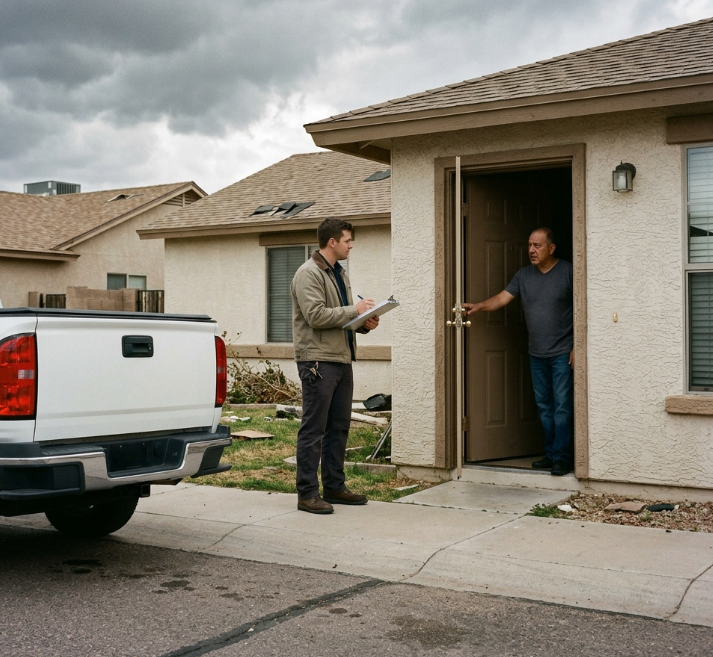
The adjuster came out, walked the property, and wrote an estimate. The number came back, the work started — and then the walls came open and there was more damage than anyone could see on the first visit. More than the estimate covered.
This is the moment that determines whether your claim actually pays for the full restoration or leaves you covering the difference. It's called the supplement process, and it's the single most misunderstood part of a property insurance claim. It's also where the gap between a good restoration contractor and a mediocre one shows up most clearly.
Here's how it actually works.
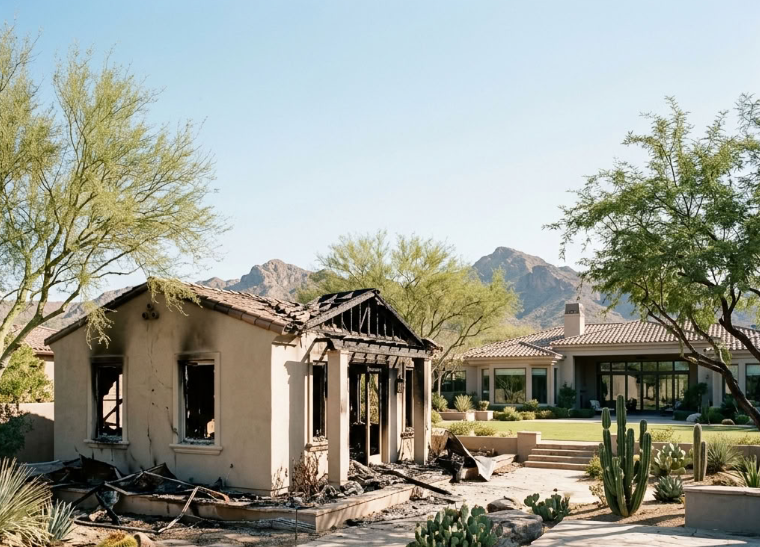
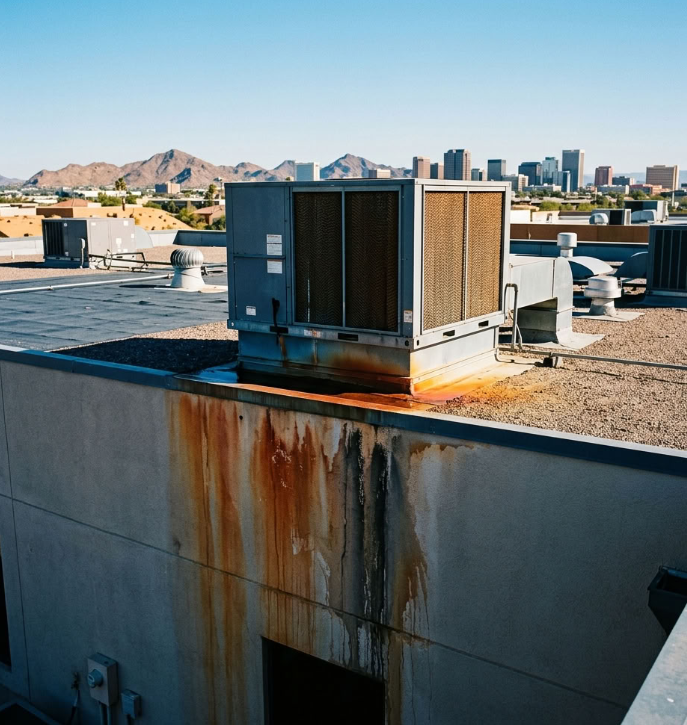
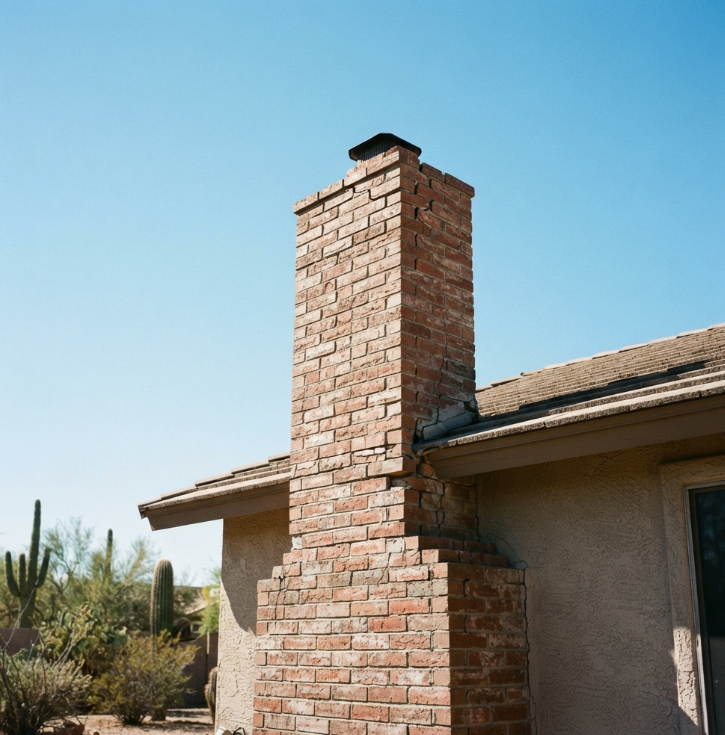
Water losses generate the most supplements because hidden moisture travels where you can't see it — so it's the clearest example to work through. But the same process applies to every peril: fire, smoke, storm, vehicle impact, and structural damage all routinely reveal additional scope once work begins.
What a Supplement Actually Is
A supplement is a formal request to your insurance carrier to approve additional scope and cost beyond what was in the original estimate. It's not a complaint, it's not a dispute, and it's not asking for a favor. It's a documented submission that says: here is additional covered damage that wasn't visible or wasn't accounted for at the initial inspection, here is the evidence, and here is what it costs to address it properly.
Supplements exist because the initial estimate is almost always incomplete — not through anyone's fault, but because of how the claims process works. The adjuster inspects the property before the walls are open, before materials are removed, before the full extent of the damage is visible. They document what they can see. What they can't see gets discovered later, once the work begins.
On nearly every significant loss, what's discovered during the work exceeds what was visible during the inspection. The supplement is the mechanism that gets that additional damage covered.
Why Initial Estimates Are Almost Always Short
Understanding why supplements are necessary starts with understanding what the adjuster is working with at the initial inspection.
They're moving fast. Adjusters carry heavy caseloads, especially in Greater Phoenix during monsoon season when claim volume spikes and they're processing losses across the entire Valley. The initial inspection is often measured in minutes, not hours.
They're documenting the visible. An adjuster can only scope what they can see and access. Hidden moisture behind tile, saturation inside wall cavities, damage under flooring, compromised materials inside a ceiling assembly — none of it is visible during a walkthrough of an intact structure.
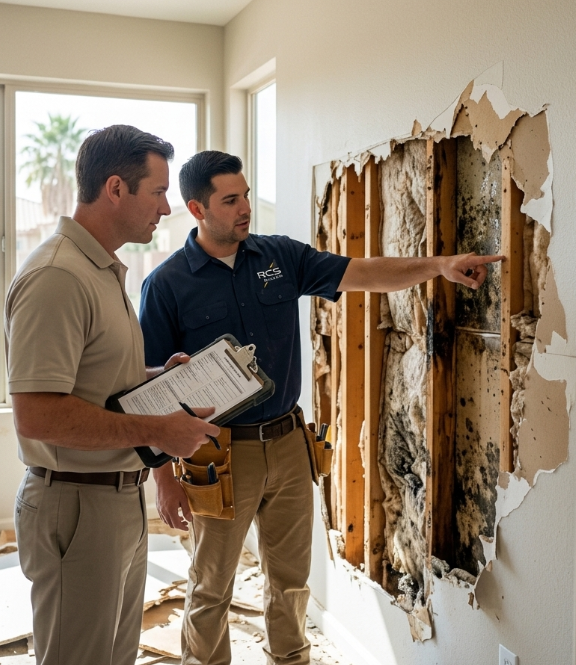
They're working before demolition. The most consequential damage discovery happens when materials come out. A wall that looked like it needed surface repair turns out to have saturation running up the studs. A floor that looked salvageable turns out to have moisture trapped in the subfloor. Tile that looked fine turns out to have water tracked underneath it across an entire room.
In the Valley specifically, the conditions compound this. Slab leaks wick moisture through concrete and into materials in ways that aren't visible until moisture mapping reveals the full footprint. Monsoon intrusion finds paths through the building envelope that don't show until the affected assemblies are opened. And the summer heat drives hidden moisture into mold growth fast, expanding the affected area beyond what the initial inspection captured.
None of this means the adjuster did anything wrong. It means the initial estimate was a first draft based on incomplete information — and the supplement is how it gets corrected to match reality.
What Triggers a Supplement
Supplements arise from a few recurring situations:
Hidden damage revealed during demolition. The most common trigger. Materials come out and there's more damage behind them than the surface showed.
Secondary damage that developed or was discovered. Water that migrated further than initially documented. Mold that was found once walls were opened. Damage to adjacent materials that wasn't apparent initially.
Code-required upgrades triggered by the work. When restoration opens up a structure and triggers current code compliance — electrical, structural, insulation — those required upgrades often weren't in the original scope and get supplemented, potentially under ordinance or law coverage.
Matching requirements. When restoring the damaged area properly requires addressing adjacent undamaged material to achieve a consistent result — discontinued tile, weathered finishes, dye lot differences.
Pricing corrections. When the original estimate's line-item pricing doesn't reflect current material or labor costs, or missed line items entirely.
Scope the initial estimate simply missed. Sometimes the initial estimate just didn't account for necessary work — a step in the process, a required material, a portion of the affected area.
How the Supplement Process Actually Works
Here's the sequence a properly handled supplement follows:
Discovery and documentation. When additional scope is identified — usually during demolition or mid-project — it gets documented immediately and thoroughly. Photographs of the hidden damage before it's disturbed further. Moisture readings establishing the extent. Notes on what was found, where, and why it constitutes covered damage. This documentation is the foundation of the entire supplement. Without it, there's nothing to submit.
Scope and pricing. The additional work gets scoped as specific line items with quantities and pricing, written in Xactimate to match the carrier's platform. This is where the additional damage becomes a concrete, verifiable request rather than a general claim that there's "more damage."
Submission to the carrier. The supplement gets submitted to the adjuster or the carrier's file with the supporting documentation. A well-prepared supplement makes the case clearly: here's the additional scope, here's the evidence it's covered damage, here's the pricing basis.
Review and negotiation. The carrier reviews the supplement. They may approve it as submitted, request additional documentation, or push back on specific items. This back-and-forth is normal. A contractor who knows how to support each line item with documentation moves supplements through this stage faster and more completely than one who submitted a thin request.
Approval and revised scope. Once approved, the supplement becomes part of the approved claim, and the additional funds are released according to your policy's payment structure — often with the supplemented depreciation recoverable upon completion, same as the original scope.
Why the Contractor Makes or Breaks a Supplement
This is the heart of it. The supplement process is where the difference between restoration contractors becomes financially concrete for the property owner.
A contractor who understands supplements documents everything from day one, because they know hidden damage is coming and the documentation has to exist to support it. When the walls come open and there's additional damage, they photograph it, measure it, and record it before it's disturbed. They write the supplement in Xactimate with proper line items and pricing. They submit it with supporting evidence. They handle the back-and-forth with the adjuster. They pursue the full legitimate scope rather than accepting whatever was first approved.
A contractor who doesn't understand supplements — or doesn't want the friction — accepts the initial estimate and builds to that number. When they hit additional damage, they either eat the cost (which means cutting corners somewhere to stay in budget) or they hand the property owner a change order for out-of-pocket payment on work the insurance should have covered. Neither outcome serves the property owner.
The financial difference between these two approaches on a significant loss is not small. It can be the difference between a claim that fully covers the restoration and one that leaves the property owner paying thousands out of pocket for covered damage that was never properly submitted.
This is why the question to ask any restoration contractor before hiring them is direct: how do you handle supplements? Do you document and pursue additional scope as a standard part of every job, or do you build to the initial approval? Their answer tells you whether they're going to fight for your full claim or leave money on the table that comes out of your pocket.
What Property Owners Should Know About Their Role
While the contractor drives the supplement process, property owners benefit from understanding a few things:
Supplements are normal and expected. If your contractor tells you a supplement is being submitted, that's not a sign something went wrong. It's a sign the process is working the way it should — additional damage was found and it's being properly submitted for coverage.
Documentation is everything. The supplements that get approved are the ones with thorough supporting evidence. This is another reason the contractor's documentation practices matter so much.
Don't authorize out-of-pocket payment for covered damage without asking about a supplement first. If a contractor presents additional work as a change order you need to pay for, ask whether it should be submitted as a supplement to your carrier instead. Covered damage should go through the claim, not your wallet.
The timeline extends with supplements. Supplements take time to submit, review, and approve. This can extend the project timeline and, on a loss involving ALE or business interruption coverage, affects those time-based coverages. Documentation of why the supplement was necessary supports any needed extension of those coverage periods.
The Bottom Line
The initial estimate is a starting point, not a final number. On nearly every significant property loss, the actual scope of covered damage exceeds what was visible at the first inspection — and the supplement process is how that gap gets closed. Whether it actually gets closed depends almost entirely on the contractor: whether they document, whether they know how to prepare and submit supplements, and whether they pursue the full legitimate scope rather than accepting the first number.
RCS Builders treats supplementing as a standard part of every insurance restoration. We document from day one with the knowledge that hidden damage is likely, we write supplements in Xactimate with full supporting evidence, and we pursue the complete legitimate scope of every claim — because the alternative is leaving our clients to cover the difference on damage their policy should pay for. If you're mid-claim and additional damage has surfaced, or you're not sure whether your approved scope covers everything it should,
call us at 480-204-9035. We'll tell you honestly whether there's additional scope worth pursuing.
Related: