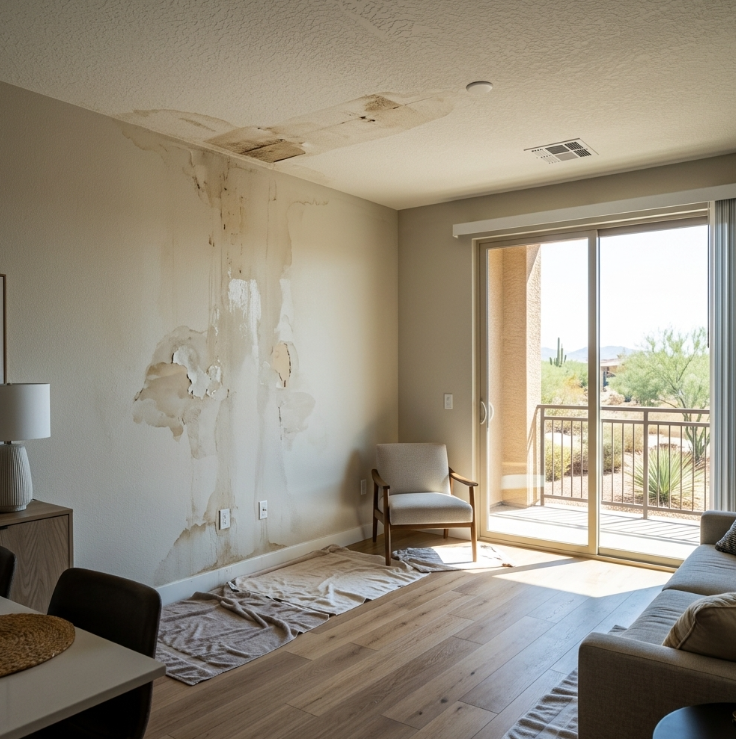
Water comes through the ceiling of a condo. The unit owner assumes the HOA handles it — it's coming from above, it's the building, that's what HOA dues are for. The HOA says it's the owner's problem — it's inside your unit, that's your responsibility. Both point at each other while the damage sits there getting worse.
This standoff plays out constantly in Arizona's condo and townhome communities, and it costs people time and money because almost nobody understands where the line actually falls until they're standing on the wrong side of it.
Here's how HOA versus unit owner responsibility actually works — and why the answer is more specific than either side usually assumes.
The Governing Document Controls Everything
Before any general rules, understand this: the answer to almost every HOA-versus-owner responsibility question lives in your community's governing documents — specifically the CC&Rs (Covenants, Conditions, and Restrictions) and the association's bylaws.
These documents define what the association is responsible for, what the unit owner is responsible for, and where the dividing line falls. They vary from community to community. What the HOA covers in one Phoenix condo development may be the owner's responsibility in another. There is no single universal answer — there's what your specific governing documents say.
That said, most Arizona condo and townhome governing documents follow common patterns, and understanding those patterns tells you what to look for and what questions to ask.
The "Walls-In" vs "Walls-Out" Concept
The most common framework for dividing responsibility is some version of walls-in versus walls-out — also described as the difference between the unit and the common elements.
Common elements are the parts of the property shared by or structurally integral to the whole building — the roof, the exterior walls, the structural framing, shared plumbing mains, the land, common area amenities. These are typically the association's responsibility to maintain and insure.
The unit is generally everything within the boundaries of your individual space — though where exactly that boundary falls is the critical question. In many condo structures, the owner is responsible for everything from the interior surface of the perimeter walls inward: the interior walls, fixtures, flooring, cabinetry, appliances, and the finished surfaces.
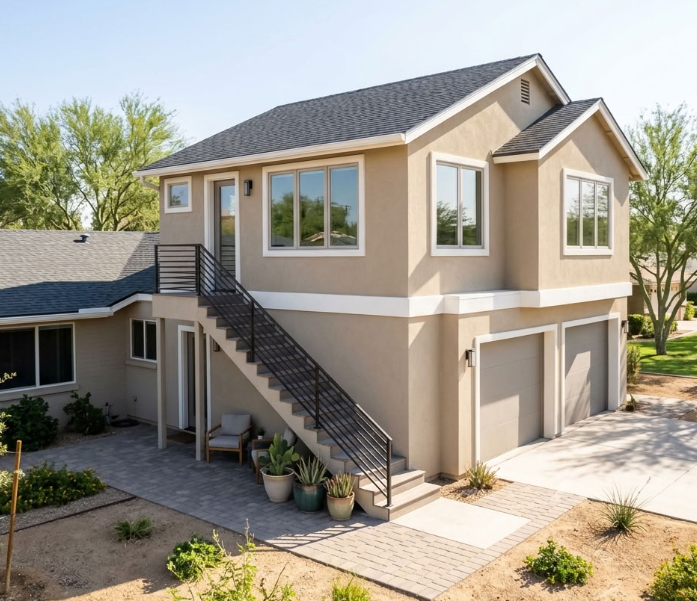
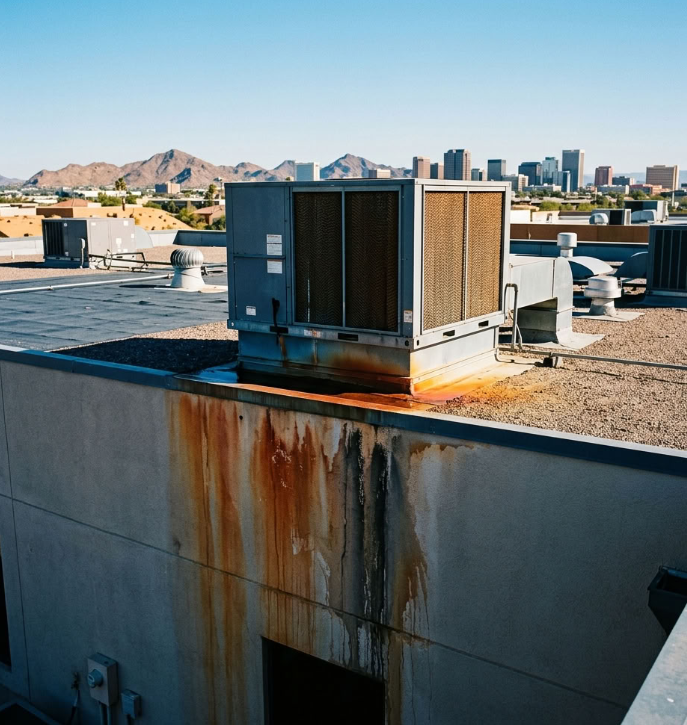
Limited common elements are a third category that causes a lot of confusion — elements that serve only one unit but aren't fully inside it. Patios, balconies, the windows and doors of a specific unit, sometimes the HVAC equipment serving a single unit. Responsibility for limited common elements is specifically defined in the governing documents and varies widely.
The dividing line between these categories is exactly where most disputes happen — because a water loss or other damage event often crosses the boundary, affecting both common elements and the unit interior simultaneously.
How This Plays Out in a Real Water Loss
Take the classic scenario: water comes through a condo ceiling from the unit above.
The source of the water determines a lot. If the water originated from a shared plumbing main running through the common element space between floors, the association's responsibility is likely implicated. If it originated from the upstairs unit owner's own plumbing — their sink, their toilet, their water heater, their in-unit supply lines — then the upstairs owner (and their insurance) is likely the responsible party for the damage to the downstairs unit.
The damage location adds another layer. The structural ceiling between units may be a common element the association maintains. But the drywall, paint, and finishes on the downstairs owner's side of that ceiling are typically the downstairs owner's responsibility to restore — which means their insurance, or a claim against the responsible upstairs owner, depending on fault.
So a single water event can involve the association's insurance for the common element structure, the downstairs owner's HO-6 condo policy for their interior finishes, and the upstairs owner's liability coverage if their negligence or their in-unit plumbing caused the loss. Three potentially responsible parties for one ceiling.
The HO-6 Policy — The Coverage Condo Owners Forget They Need
Here's where unit owners get caught: they assume the HOA's master policy covers their interior, and it usually doesn't.
The association carries a master insurance policy covering the common elements and, depending on the policy type, sometimes the basic structure of the units. But the master policy almost never covers the unit owner's interior finishes, personal property, upgrades, or improvements. That's what an HO-6 condo owner's policy is for.
An HO-6 policy covers the unit owner's responsibility — typically the interior finishes from the walls in, personal property, improvements and betterments the owner made, loss assessment coverage (more on that below), and liability. Without it, a unit owner facing a loss that falls on their side of the responsibility line is paying out of pocket for everything the master policy doesn't cover.
In Arizona's condo market, a lot of owners either don't carry an HO-6 policy or carry one with inadequate limits — and they discover the gap at exactly the wrong moment. If you own a condo or townhome in an HOA community, knowing what your master policy covers and carrying an HO-6 policy that fills the gap is essential.
Loss Assessment Coverage — The Provision Worth Understanding
There's a specific situation where the association's master policy has a deductible or a coverage gap, and the association passes that cost on to all the unit owners as a special assessment.
Say a major loss hits the building and the master policy has a $50,000 deductible. The association may assess that deductible across all the unit owners. Your share of that assessment is a real cost — and loss assessment coverage, a provision within your HO-6 policy, is designed to cover it.
A lot of condo owners don't know loss assessment coverage exists or carry it at limits too low to matter. In communities with high master policy deductibles — which have become more common as insurance costs have risen — adequate loss assessment coverage is increasingly important.
What's Changed in Arizona's HOA Insurance Landscape
Worth knowing if you own or manage in an HOA community: insurance costs for associations have risen significantly in recent years, and many associations have responded by raising their master policy deductibles substantially. A master policy that once had a $10,000 deductible may now have a $50,000 or $100,000 deductible.
That shift pushes more financial responsibility onto unit owners — both through higher potential special assessments and through a larger gap that the owner's HO-6 policy needs to fill. The dividing line in the governing documents hasn't changed, but the financial stakes on the owner's side of that line have grown.
For unit owners, this means reviewing your HO-6 coverage and your loss assessment limits in light of your association's current master policy deductible — not the deductible from when you bought the unit.
How to Sort Responsibility When a Loss Happens
When damage occurs in a condo or townhome, here's how to work through the responsibility question:
Identify the source. Where did the damage originate? Common element or someone's unit? This drives the fault and responsibility analysis more than anything else.
Pull the governing documents. The CC&Rs and bylaws define the responsibility line for your specific community. Don't rely on assumptions or what someone says — read what the documents actually say about maintenance and insurance responsibility.
Notify the right parties. Depending on the source and location, that may mean the association, your own insurer, and potentially the responsible neighboring unit owner. When in doubt, notify the association and your own HO-6 carrier both, and let the responsibility sort out from there.|
Document everything. Same as any property loss — photograph and video the damage, the source if identifiable, and the affected areas before anything is disturbed. In a multi-party HOA situation where responsibility is contested, documentation is even more important because more parties have an interest in how the cause and scope get characterized.
Don't let the standoff delay mitigation. The worst outcome is the HOA and the owner pointing at each other while the water damage spreads and mold begins. Get the damage mitigated promptly and sort out the financial responsibility in parallel. Delaying remediation to settle the responsibility question first only makes the loss bigger and more expensive for whoever ends up responsible.
Why This Matters for the Restoration
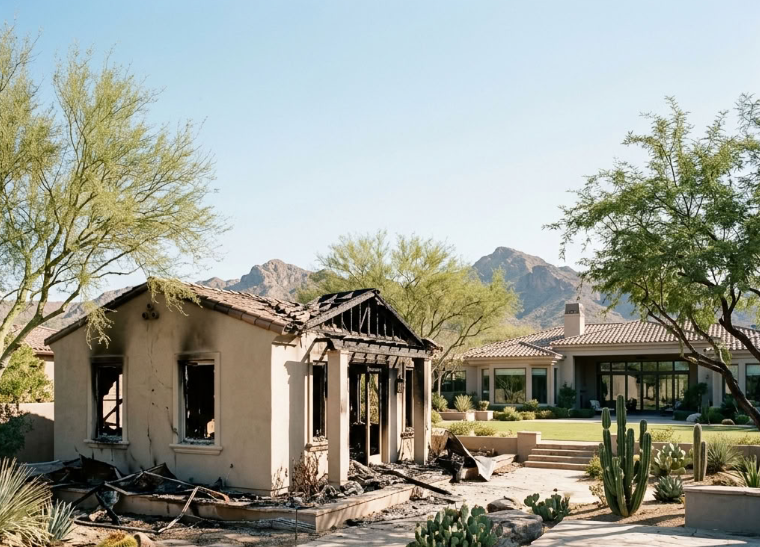
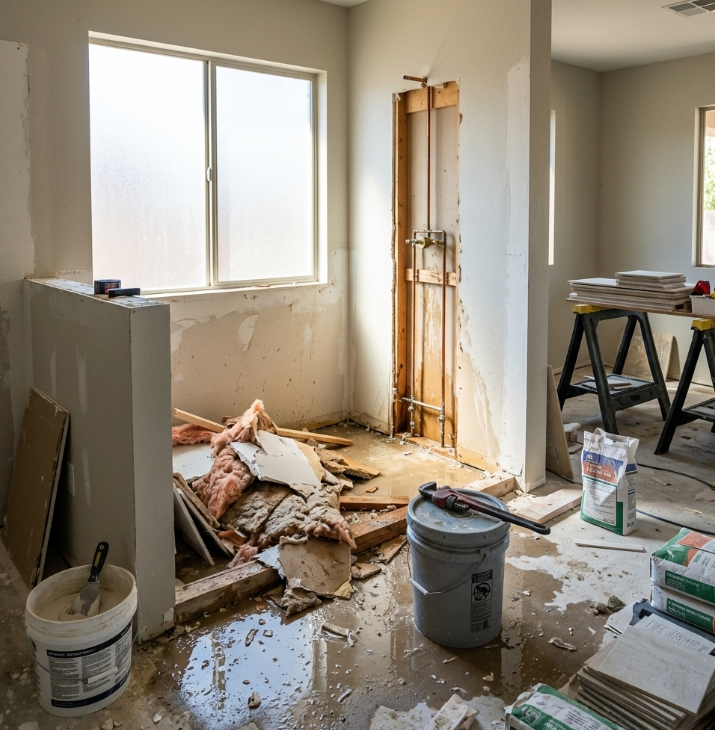
Restoration in a condo or townhome is more complex than in a single-family home precisely because of the multi-party responsibility structure. The contractor may be coordinating with the association, one or more unit owners, multiple insurance carriers, and sometimes a property management company — all on a single loss.
A restoration contractor experienced with HOA and multifamily work understands this structure. They know how to document a loss that crosses the common-element-to-unit boundary, how to coordinate with an association's management company and an individual owner's carrier simultaneously, and how to scope work in a way that accounts for the divided responsibility. A contractor who only does single-family work can struggle with the coordination layer that condo and townhome losses require.
RCS Builders works with HOAs, condo and townhome owners, and property management companies across Greater Phoenix. We understand the divided responsibility structure, the coordination a multi-party loss requires, and how to document and scope restoration work in a way that serves everyone with a stake in the outcome. If you're dealing with a loss in an HOA community and you're not sure how the responsibility breaks down,
call us at 480-204-9035 — we'll help you sort out the restoration side while the responsibility question gets worked through.
Related: