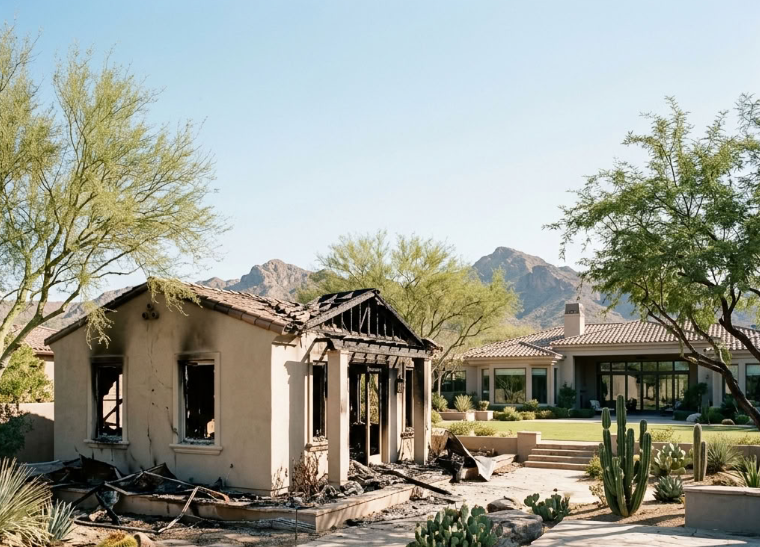
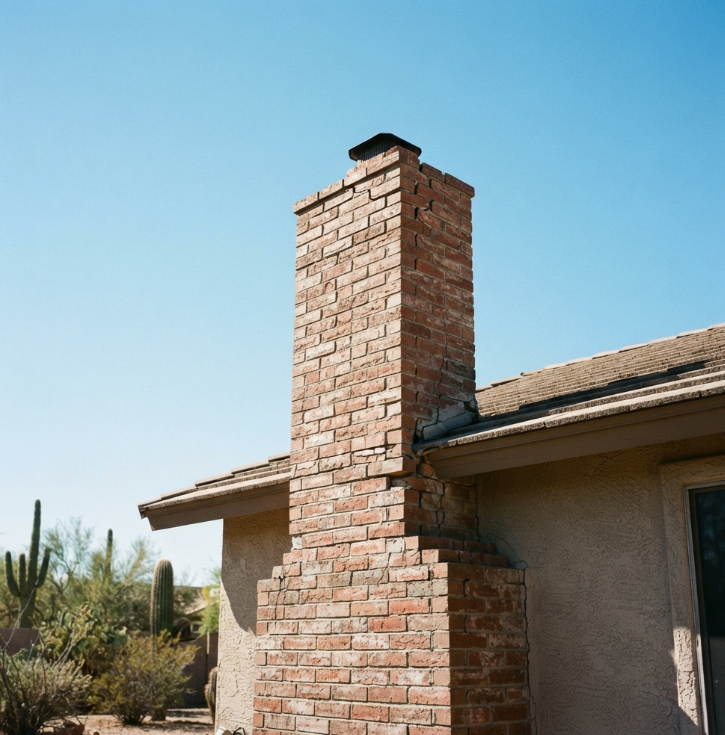
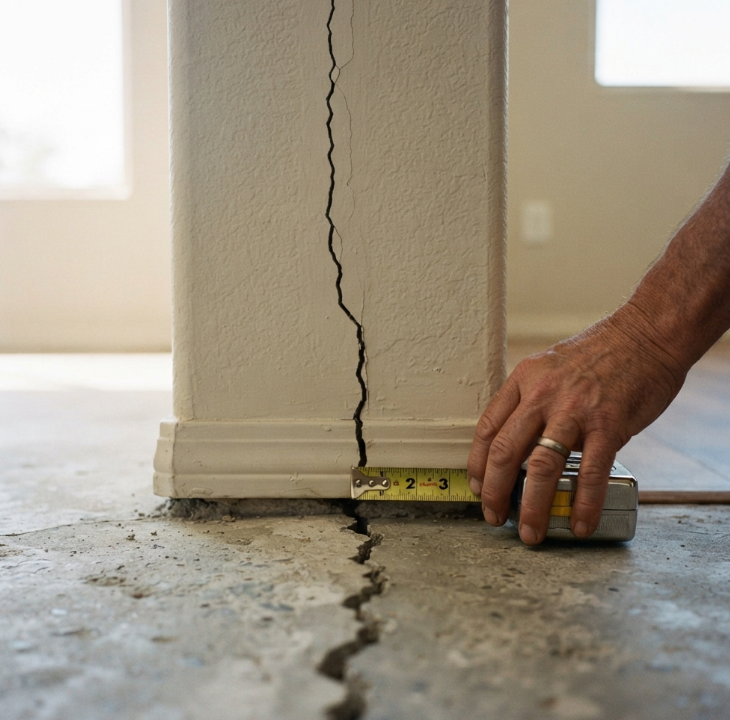
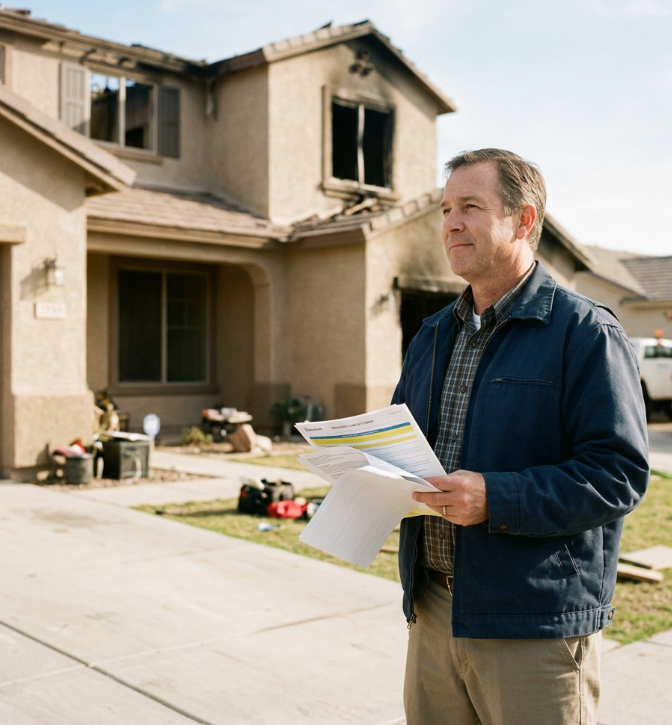
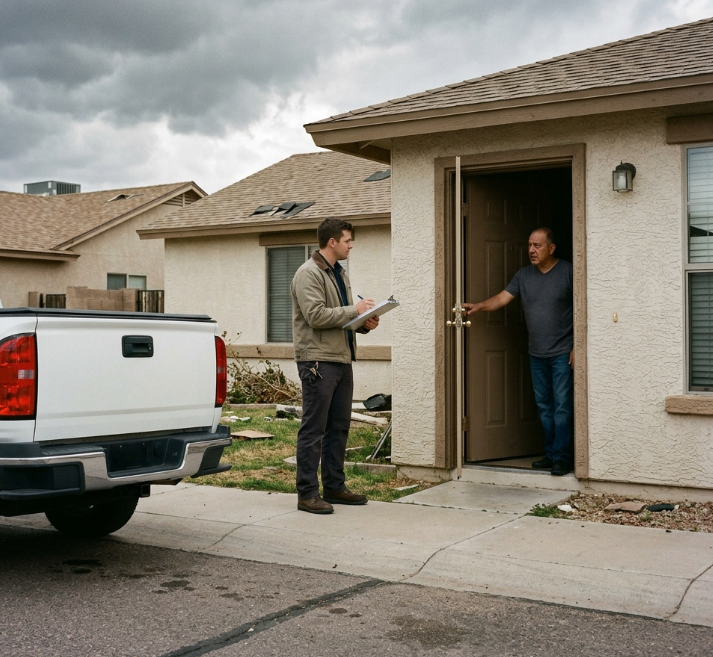
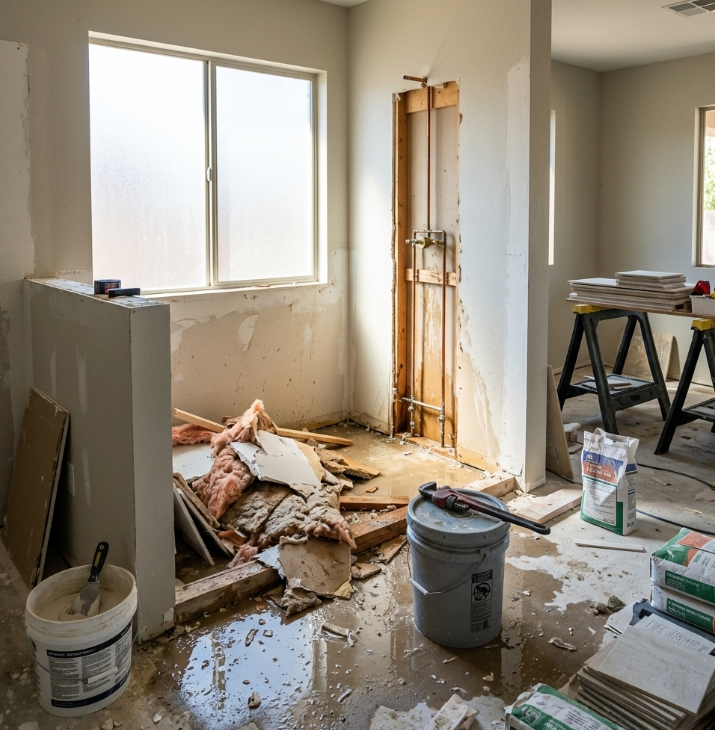
The fire is out, or the water is extracted, or the storm has passed — and your home is unlivable. The restoration is going to take weeks, maybe months. And you and your family need somewhere to stay in the meantime.
This is the moment most homeowners discover whether they understand their insurance policy. Because tucked inside almost every homeowner policy is a coverage designed for exactly this situation — and a lot of people either don't know they have it or don't know how to use it properly.
It's called Additional Living Expense coverage, and here's what it actually does.
What ALE Coverage Is
Additional Living Expense coverage — usually abbreviated ALE, sometimes called loss of use coverage — pays the increased costs you incur to maintain your normal standard of living while your home is uninhabitable due to a covered loss.
The key word is additional. ALE doesn't pay all of your living expenses while you're displaced. It pays the difference between what you normally spend and what you're spending because you can't live in your home. If your mortgage continues whether you're home or not, that's not an additional expense — you'd be paying it anyway. But the hotel you're staying in because you can't be home? That's additional. The restaurant meals because you don't have a kitchen? Additional. The extra mileage because your temporary housing is farther from work? Additional.
ALE exists to make sure that a covered loss doesn't force you to absorb the cost of being displaced on top of everything else you're dealing with.
What It Actually Covers
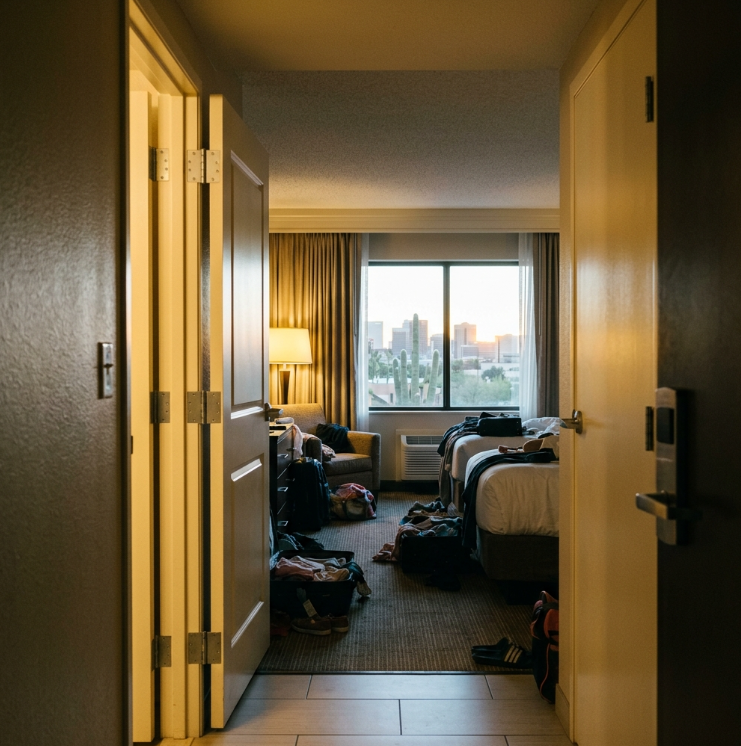
Temporary housing. The big one. If you have to stay in a hotel, a short-term rental, or a temporary apartment while your home is being restored, ALE covers the cost — up to the standard of living you had before. It doesn't pay for an upgrade, but it pays for comparable accommodation. A family displaced from a four-bedroom home isn't expected to cram into a single hotel room, and ALE coverage reflects that.
Increased food costs. When you don't have a functioning kitchen, you eat out or buy prepared food, and it costs more than cooking at home. ALE covers the difference between your normal food spending and your increased spending during displacement. Note the word difference — they're covering the increase, not your entire food bill.
Additional transportation costs. If your temporary housing increases your commute or your kids' route to school, the additional mileage and transportation costs are covered. If you have to rent a car because yours was damaged in the same event, that may be covered depending on your policy.
Pet boarding. If your temporary housing doesn't accommodate pets and you have to board them, that cost is often covered under ALE.
Storage costs. If your belongings have to be stored during restoration because they can't stay in the damaged home or fit in your temporary housing, storage fees are typically covered.
Laundry, additional utilities, and other displacement costs. The various smaller costs that add up when you're living somewhere that isn't your home — laundromat costs if your temporary housing lacks laundry, additional utility costs, and similar expenses.
What It Doesn't Cover
Your normal expenses. This is the most common misunderstanding. ALE covers additional costs, not your regular cost of living. Your mortgage, your normal grocery budget, your existing car payment, your regular utility bills at home — these aren't ALE expenses because you'd be paying them regardless of the loss. ALE covers the gap between normal and displaced, not the whole bill.
Expenses beyond your standard of living. ALE restores your normal standard of living — it doesn't upgrade it. A family displaced from a modest home isn't going to have a luxury resort covered as temporary housing. The standard is comparable, not better.
Losses from non-covered perils. Like all the coverages that ride on your property policy, ALE only triggers when the underlying loss is covered. If the damage was caused by an excluded peril — flood without separate flood coverage, for example — ALE doesn't apply because the loss itself isn't covered.
Expenses beyond your coverage limit or time limit. ALE coverage has limits. Some policies cap ALE at a percentage of your dwelling coverage. Others cap it at a specific time period — often 12 or 24 months — regardless of whether restoration is complete. Understanding your specific limits matters, especially on a major loss with a long restoration timeline.
The Limits That Catch People Off Guard
ALE coverage isn't unlimited, and the structure of the limits varies by policy in ways that matter.
Percentage-based limits. Many policies cap ALE at a percentage of your dwelling coverage — commonly 20 to 30 percent. If your dwelling coverage is $400,000 and your ALE cap is 20 percent, you have $80,000 in ALE coverage. For most losses that's more than enough. For a major loss with an extended restoration and an expensive temporary housing market, it's worth knowing the number.
Time-based limits. Some policies limit ALE to a specific time period rather than a dollar amount — often capped at the time reasonably required to restore the property, with an outer limit of 12 or 24 months. On a complex structural rebuild that involves plan review, permitting, and a long construction timeline, the restoration can push against these time limits.
The "reasonable time to repair" standard. Like business interruption coverage, ALE is often tied to the reasonable time required to restore the property — not the actual time. If your restoration takes longer than the carrier's estimate of reasonable, you can find yourself in a dispute about whether continued ALE is owed. This is another reason restoration timeline documentation matters: when delays are caused by plan review, permitting, or material availability rather than contractor inefficiency, that documentation supports continued coverage.
How to Actually Use ALE Coverage Properly
ALE claims get reduced or denied more often over documentation than over coverage. Here's how to protect yours.
Keep every receipt. Every hotel bill, every restaurant receipt, every additional transportation cost, every storage fee. ALE is reimbursement for documented additional expenses, and undocumented expenses don't get reimbursed. Start a dedicated folder or digital record the day you're displaced.
Document your normal baseline. Because ALE covers the difference between normal and displaced spending, you need to establish what normal was. Your typical grocery spending, your normal commute, your standard utility costs. Bank statements and records from before the loss establish the baseline that your additional expenses are measured against.
Get authorization for major expenses. Before committing to temporary housing, communicate with your carrier or adjuster about what's covered and at what level. Getting alignment upfront on the housing budget prevents a dispute later about whether your temporary accommodation was reasonable.
Track the timeline. Note when you were displaced and keep documentation of the restoration timeline. If a coverage dispute arises about how long ALE should continue, the record of why restoration took the time it did is what supports continued coverage.
How Restoration Timeline Affects Your ALE
This is where your contractor choice connects directly to your ALE coverage.
ALE runs during the restoration period. The faster your home is restored, the less you depend on ALE — and the less risk you run of bumping against coverage limits on a long timeline. But just as important, when restoration takes longer for legitimate reasons, the documentation of those reasons is what justifies continued ALE coverage.
A contractor who moves efficiently, communicates the timeline clearly, and documents the causes of any delays — permitting, plan review, material lead times, carrier approval cycles — is protecting your ALE coverage as a byproduct of running the job well. A contractor who lets the timeline drift without documentation, or who can't clearly establish why the restoration is taking as long as it is, creates exposure on your ALE claim when the carrier starts questioning whether continued coverage is warranted.
On a major loss where displacement runs for months, this connection between restoration management and ALE coverage is significant. The contractor isn't just rebuilding your home — they're managing the timeline that your temporary housing coverage depends on.
The Bottom Line
Additional Living Expense coverage exists so that a covered loss doesn't force you to pay out of pocket for the displacement on top of everything else. But it's reimbursement coverage that depends on documentation, it has limits that vary by policy, and it's tied to a restoration timeline that your contractor directly influences.
Know your limits before you need them. Document everything from the day you're displaced. And work with a contractor who understands that the restoration timeline and your living expense coverage are connected.
RCS Builders manages restoration timelines with the full claim picture in mind — including the coverages that run while you're displaced. We communicate timelines clearly, document the causes of any delays, and move efficiently because we know that every week of restoration is a week you're living somewhere that isn't home. If you're displaced by a loss and want to understand how the restoration timeline affects your coverage,
call us at 480-204-9035.
Related: