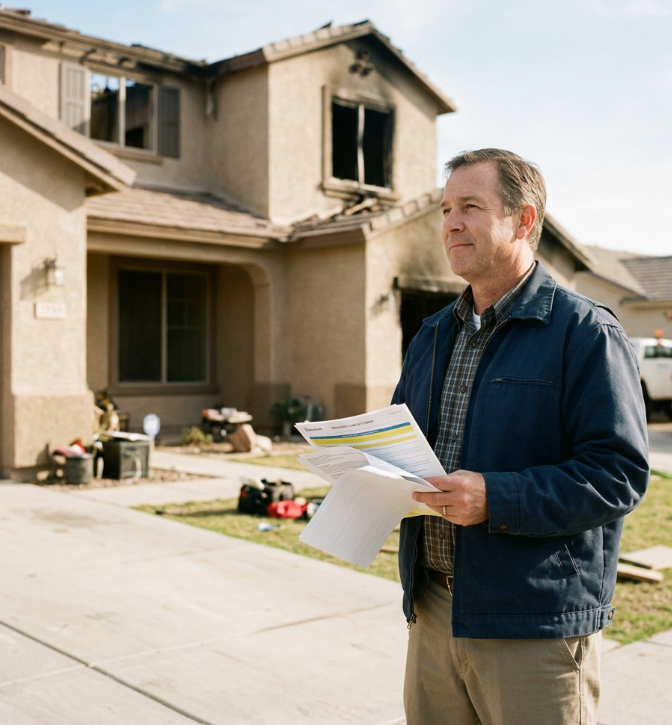
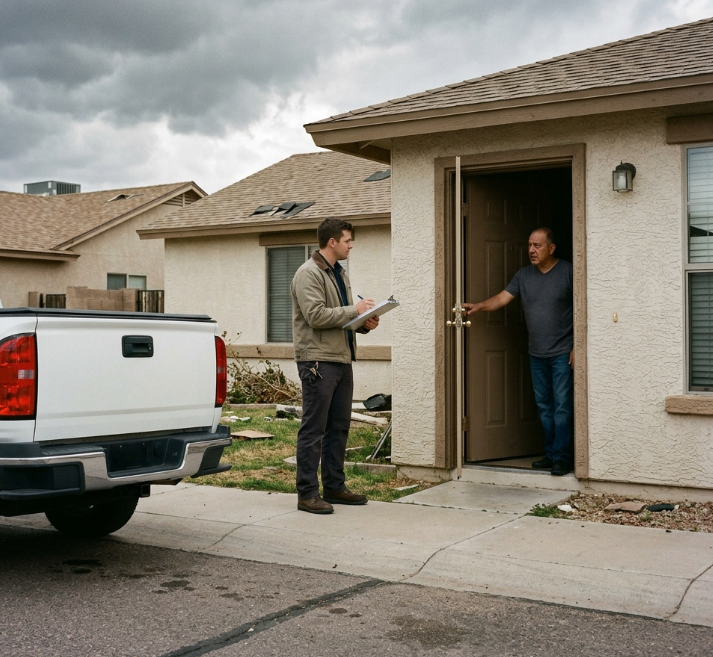
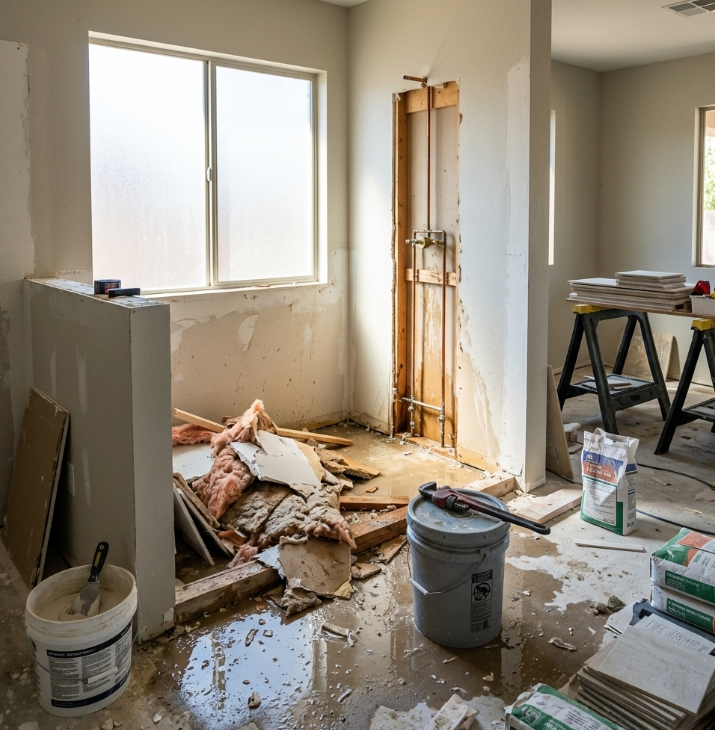
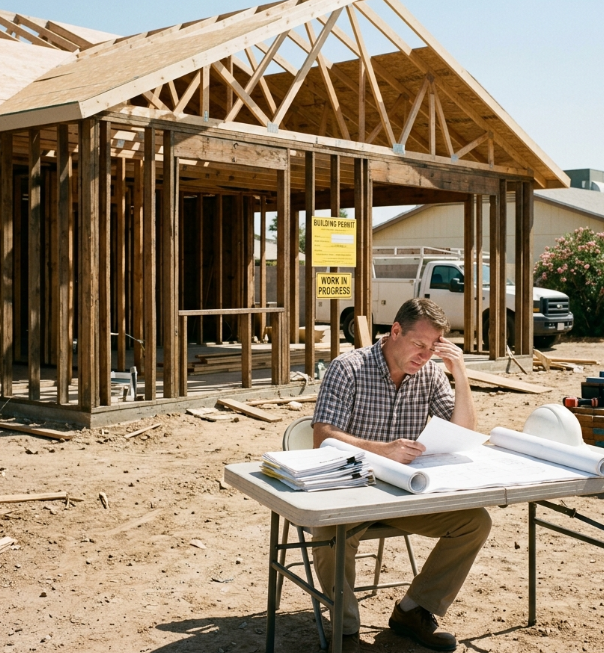
Something just happened to your property. Water is coming from somewhere it shouldn't be. There's smoke damage. A storm took something apart. Whatever it is, your first instinct is to call someone — your carrier, a contractor, a family member who knows what to do.
Before you do anything else, document.
Not because documentation is more important than stopping the damage — it isn't. If water is actively flowing, shut it off. If there's a safety hazard, address it. But once the immediate emergency is stabilized and before anyone starts moving, cleaning, or removing anything, what you capture in the next thirty minutes can materially affect how your insurance claim resolves.
Here's exactly what to do.
Why the First Hour Documentation Is Irreplaceable
Once restoration work begins, the pre-loss condition of your property starts disappearing. Water gets extracted. Damaged materials get removed. Contents get moved. The scene that existed at the moment of loss — the evidence that establishes what happened, how bad it was, and what condition things were in before the damage — is gone.
Your insurance carrier is going to make decisions about your claim based on documentation. The adjuster who walks your property days after the event is working from what remains, not from what was there when the damage occurred. The more complete the picture you captured before anything was touched, the stronger your claim position.
This is also the documentation your contractor needs to write a complete scope. A restoration contractor who sees the damage after extraction and demo is working backward — inferring what was there from what remains. A contractor who has your photos from before work began can write a scope that accurately reflects the full extent of the loss.
Step One: Photograph Everything Before Anything Is Touched
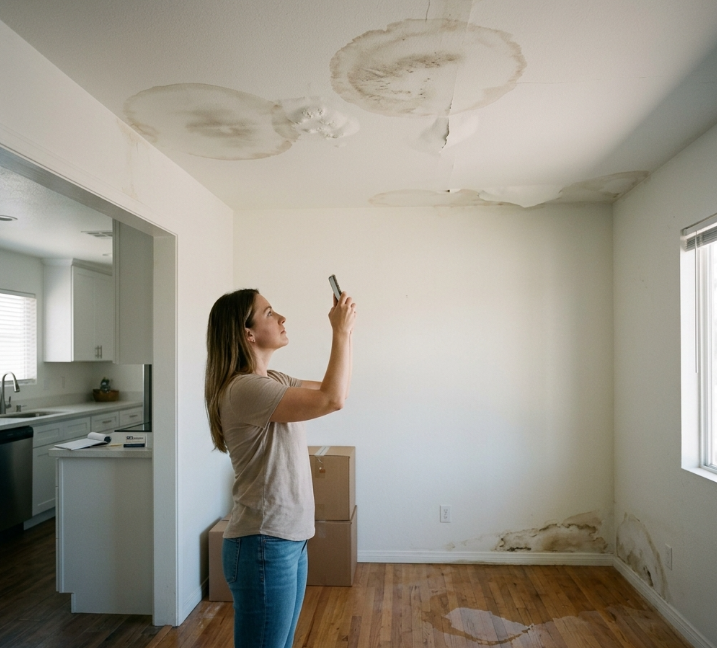
Start wide. Walk the affected area and take wide-angle shots that show the full context — the whole room, the whole exterior wall, the whole roof section. These establish the scope of the affected area before anything is disturbed.
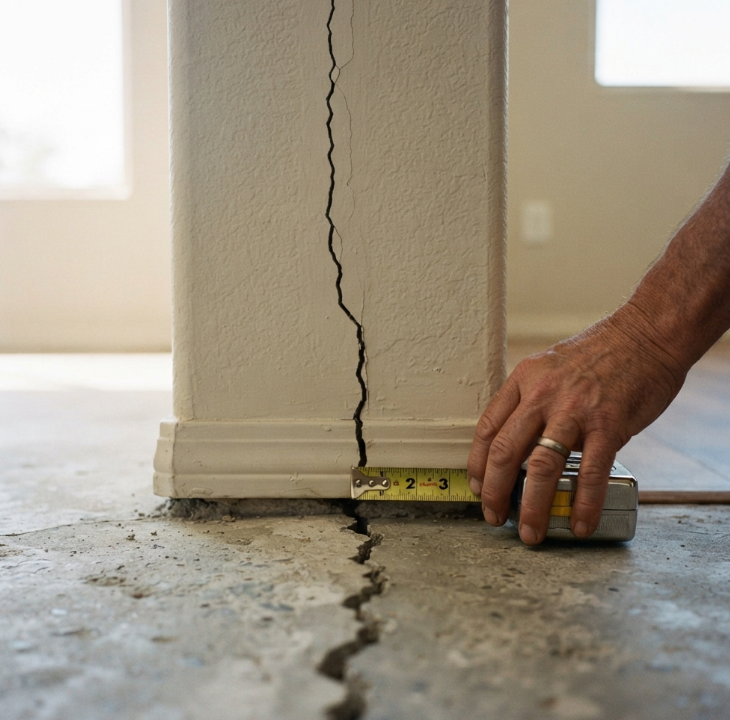
Then go close. Photograph the specific damage in detail — the point of origin if you can identify it, the extent of water intrusion, the condition of materials at the time of loss. If there's a pipe that failed, photograph the pipe. If there's a section of roof that's compromised, photograph it. If water is coming through a ceiling, photograph the ceiling from multiple angles showing the full extent of the staining and saturation.
Photograph adjacent areas too. Water moves — what's visibly damaged at the point of origin often represents a fraction of the actual affected area. Document ceilings, walls, and floors in rooms adjacent to the obvious damage. What looks dry on the surface can be saturated behind it, and having photographs of those adjacent areas before work begins supports a broader scope if additional damage surfaces during restoration.
Don't forget contents. If furniture, electronics, clothing, or other personal property is damaged, photograph everything before it's moved. This is the documentation that supports a contents claim under your policy or your tenant's renters insurance.
Step Two: Video Walkthrough
After you've taken still photos, do a video walkthrough of the entire affected area. Narrate as you go — describe what you're seeing, where the damage is, what the source appears to be, and anything that seems relevant. Note the time and date verbally at the start of the video.
Video captures context that still photos sometimes miss — the sound of water still moving, the visible extent of damage across a large area, the relationship between different affected spaces. It also creates a timestamp that's harder to dispute than individual photos.
Keep the video slow and steady. You're not making a film — you're creating a record. Move methodically through each affected area and make sure the camera dwells long enough on each section of damage to capture it clearly.
Step Three: Document the Source If You Can Identify It
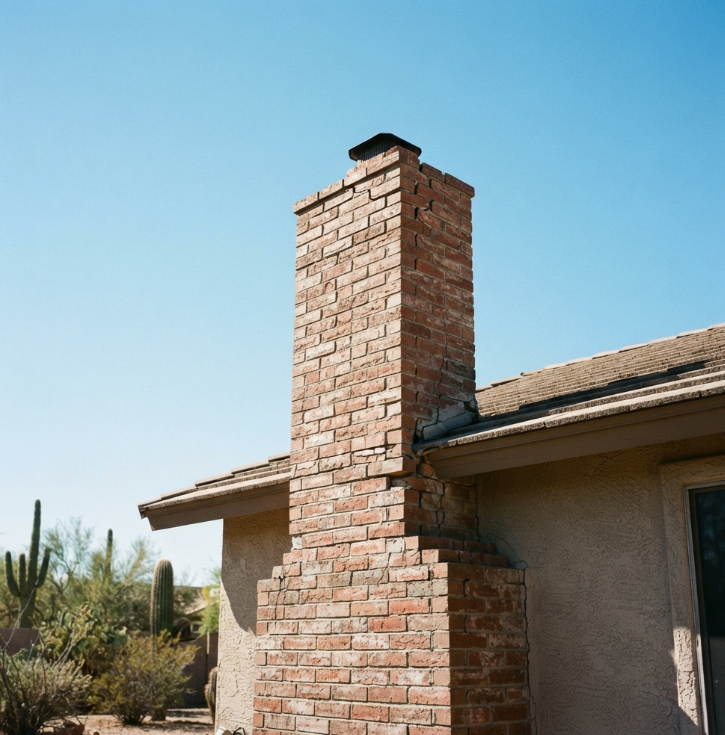
If you can safely identify the source of the damage — a failed pipe, a compromised roof section, an appliance that leaked — photograph and video it specifically before anything is disturbed.
The cause of loss is one of the most consequential determinations in a property damage claim. Whether damage was caused by a sudden pipe failure or by slow, gradual leakage that predated the event affects coverage. Whether roof damage was caused by the storm or by pre-existing deterioration is a common point of dispute. The condition of the source at the time of loss — before it's repaired, replaced, or removed — is evidence that supports your position on causation.
If the source involves a third party — a neighbor's irrigation line, a contractor who was working on the property, a product that failed — document it especially carefully. That documentation may become the foundation of a subrogation action by your carrier or a direct claim against the responsible party.
Step Four: Document Pre-Existing Conditions Separately
While you're documenting the damage, also note and photograph anything that existed before the loss that you don't want attributed to it. A wall that had a small crack before the water event. Flooring that was already worn in certain areas. A ceiling that had a previous stain from a repair years ago.
Adjusters document what they see. If something looks like damage and they can't distinguish it from the current loss, it goes in the report as part of the affected area — which can work for you or against you depending on the situation. Getting ahead of it by noting pre-existing conditions in your own documentation gives you a reference point if the adjuster's characterization of something doesn't match the actual history.
Step Five: Write It Down
After you've photographed and filmed, take five minutes to write a brief account of what happened. When did you first notice the damage? What did you observe? What was the sequence of events? Did you take any immediate action — shut off a water supply, move contents, call someone?
This written account doesn't need to be formal or detailed. It's a contemporaneous record — something you wrote at or near the time of the event that establishes your recollection before memory starts fading and before any formal claim process shapes the narrative. Date and time it.
If there are witnesses — a tenant who noticed the water, a neighbor who saw the storm damage occur, a contractor who was on-site for a different job — note their names and contact information.
What to Do With the Documentation
Back it up immediately. Send the photos and video to cloud storage, email them to yourself, or do both. Phone storage fails. If your documentation lives only on a device that gets lost or damaged during the restoration process, you've lost the record.
Send copies to your contractor when they arrive. A restoration contractor who has your pre-work documentation can build a more complete scope, write a more defensible estimate, and support your claim more effectively throughout the process.
Keep everything — every photo, every video, every note, every communication with your carrier from the first call forward. Claims can take months to resolve and documentation that seems irrelevant early in the process sometimes becomes critical later.
The Documentation Your Contractor Should Be Adding
Your pre-arrival documentation establishes the baseline. Your contractor's documentation builds on it.
A restoration contractor working to industry standard should be adding: daily moisture readings by affected area and material, equipment placement logs, photo documentation at each stage of the project, a written scope narrative that describes what was found and what work was performed, and a final drying report before reconstruction begins.
That combined record — your initial documentation plus your contractor's project documentation — is what a well-supported insurance claim looks like. It's what makes supplements defensible, what supports depreciation recovery, and what protects your position if the claim becomes contested.
Not every contractor produces this documentation as a matter of course. Ask before the job starts what documentation they produce and how it gets shared with your carrier.
If You're Reading This Mid-Loss Right Now
Stop, stabilize the immediate emergency if you haven't already, and then document before anyone touches anything. Thirty minutes of thorough documentation at the start of a claim is worth more than hours of explanation later trying to establish what the damage looked like before work began.
RCS Builders documents every job from the first site visit — cause of loss, affected area logs, moisture readings, photo record — as a standard part of how we run every project. If you want to talk through what documentation your specific situation requires,
call us at 480-204-9035. We'll walk you through it.
Related: