Fire, Water, Storm & Vehicle Impact Reconstruction Explained
When property damage happens, most people focus on the immediate cleanup. Water gets extracted, fire-damaged materials are removed, and the property is stabilized.
But the real work — and where projects are won or lost — is the
reconstruction phase.
As a
Greater Phoenix general contractor, we step in after mitigation to handle the full rebuild. Whether the damage came from water, fire, storms, or even a vehicle impact, the goal is always the same:
restore the property to pre-loss condition safely, correctly, and in alignment with the insurance scope.
What an Insurance Repair Contractor Actually Does
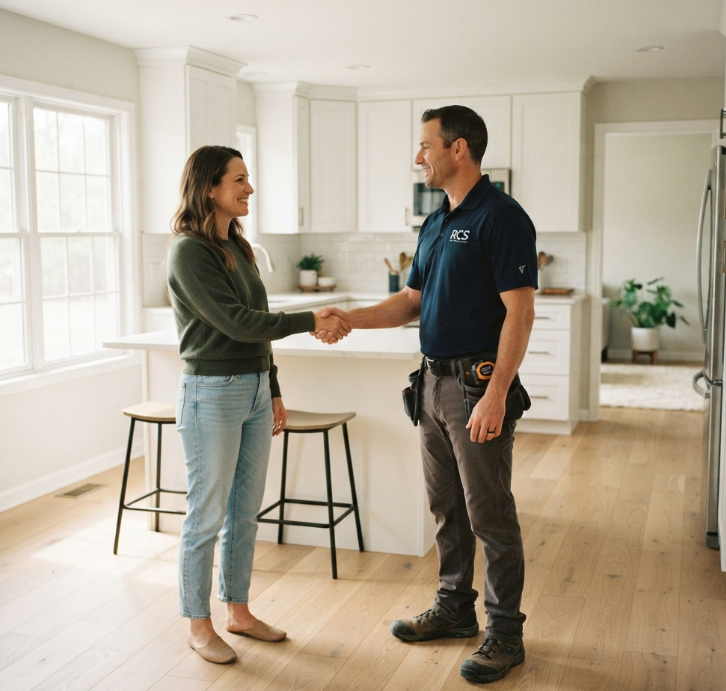
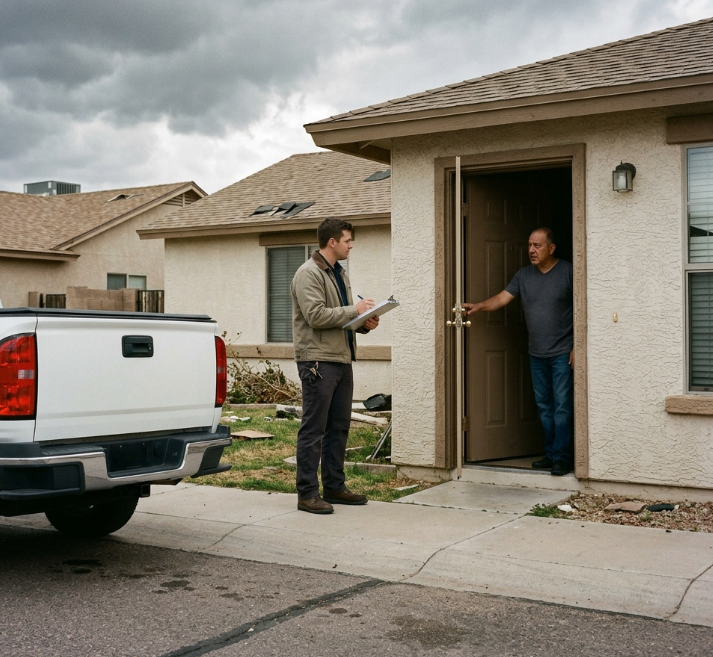
An insurance repair contractor is responsible for more than just repairs. The role sits between construction and the insurance process.
That includes:
- Reviewing the full extent of structural and interior damage
- Building a detailed scope of work using Xactimate
- Coordinating with adjusters and claim documentation
- Managing trades and reconstruction timelines
- Ensuring all work meets code and pre-loss standards
This is very different from traditional remodeling. The focus is not upgrading — it’s
accurate restoration based on the loss.
What Happens After Mitigation Is Complete
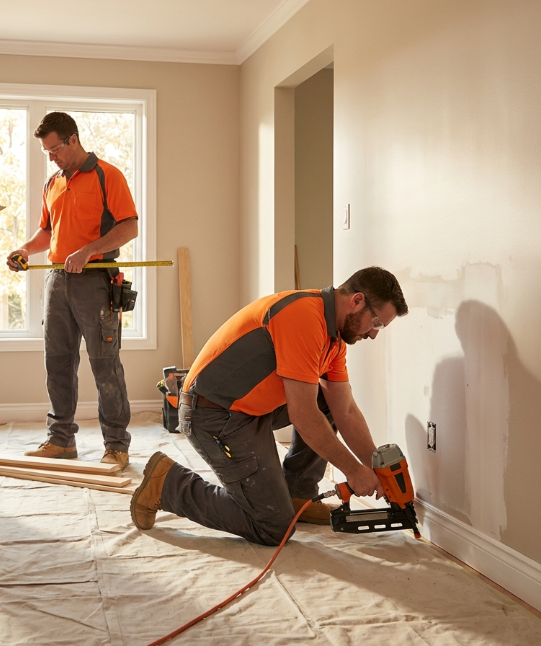
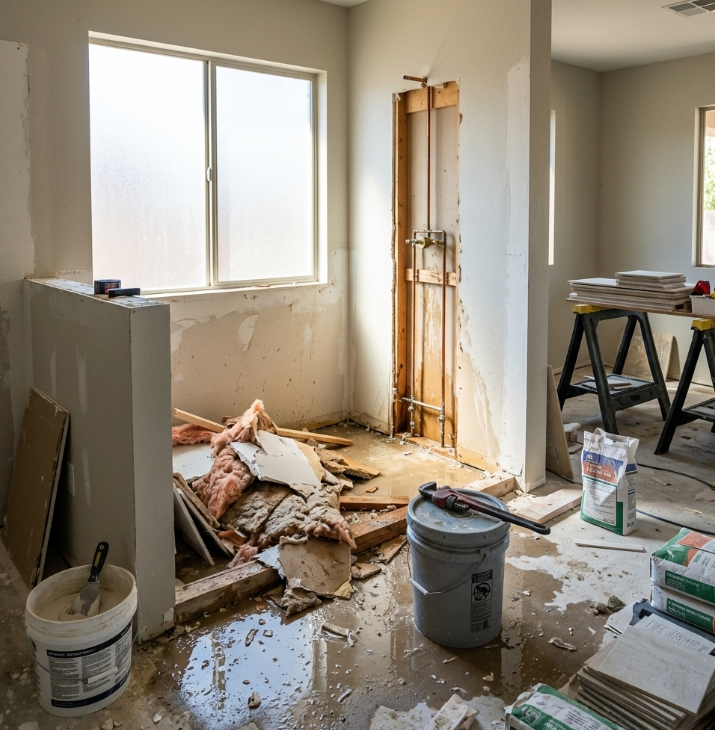
After mitigation crews finish their work, properties are often left partially demolished:
- Drywall removed
- Flooring pulled out
- Framing exposed
- Cabinets and finishes stripped
At this stage, the property is stabilized but not livable or operational.
Reconstruction begins by rebuilding everything that was removed — and ensuring nothing hidden (like moisture or structural damage) is left behind.
Rebuilding After Different Types of Damage
Every type of loss requires a slightly different reconstruction approach.
Water Damage Reconstruction
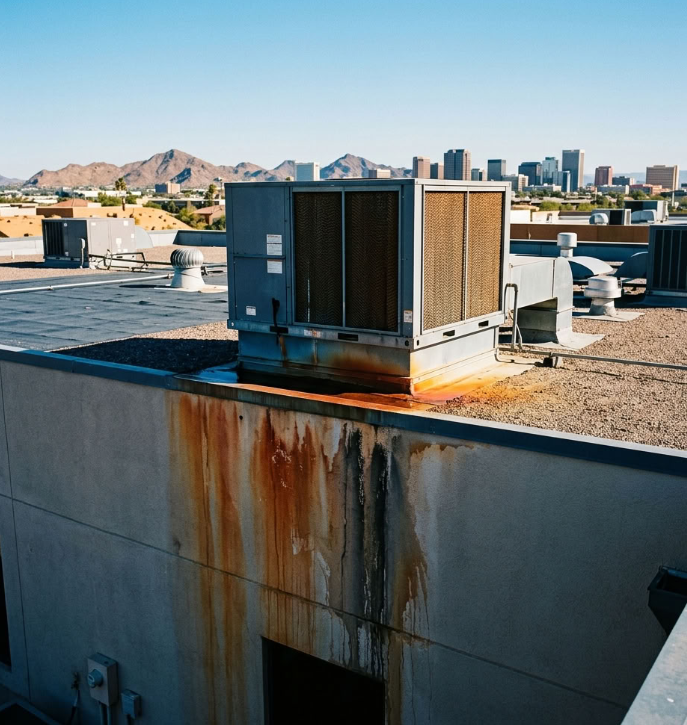
Water damage from burst pipes, slab leaks, or flooding often impacts more than visible surfaces.
Rebuild work typically includes:
- Drywall and insulation replacement
- Flooring installation
- Cabinet and interior finish restoration
- Addressing any remaining moisture concerns
Water jobs are often the most common and require careful drying verification before rebuilding begins.
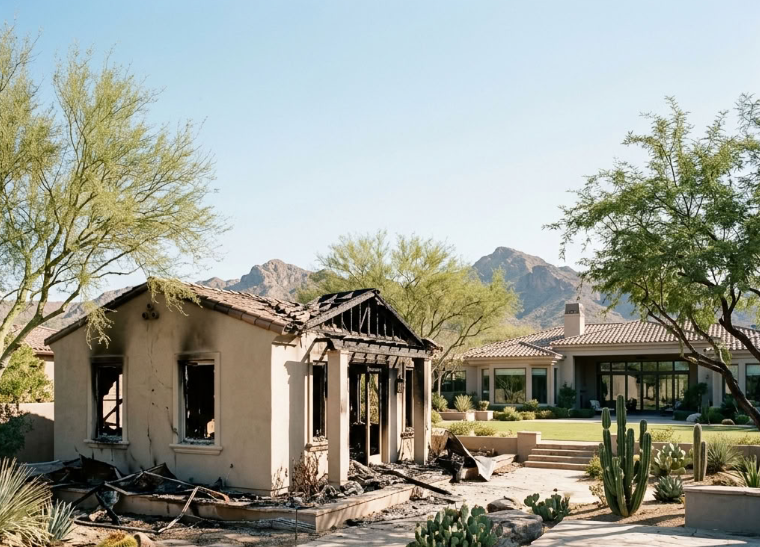
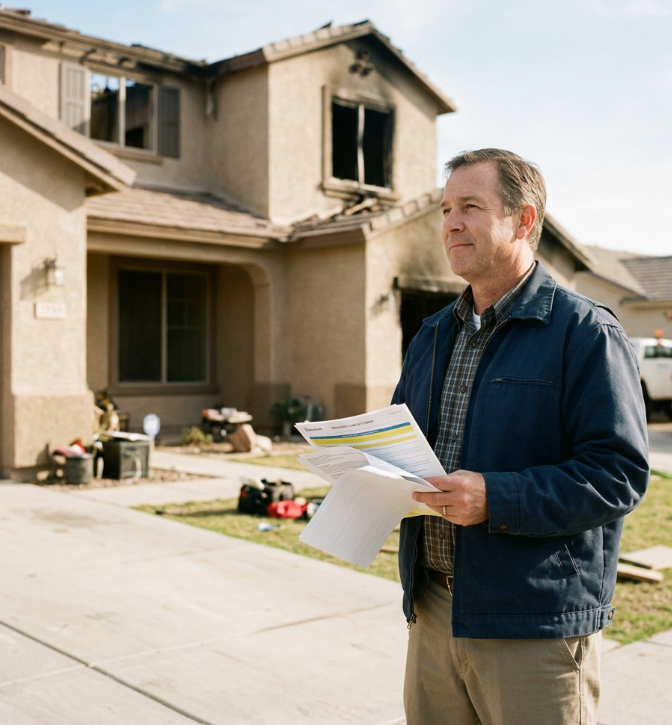
Fire Damage Reconstruction
Fire damage affects materials differently due to heat, smoke, and soot.
Reconstruction may involve:
- Structural framing repairs
- Replacement of fire-damaged materials
- Interior rebuild of walls, ceilings, and finishes
- Addressing smoke-affected areas
Fire projects often require more coordination due to the extent of damage across multiple systems.
Storm Damage Repairs
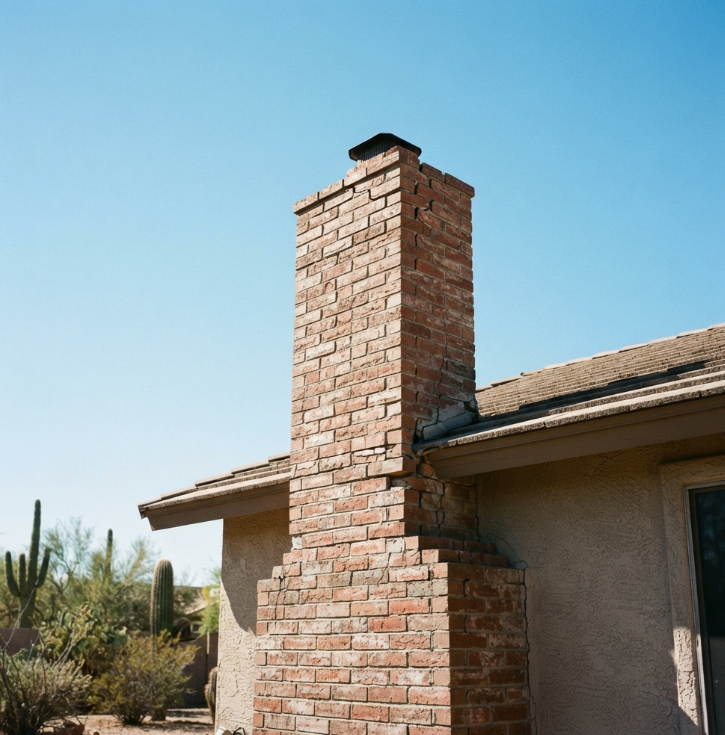
Storm-related damage in the Phoenix area often includes roof leaks, water intrusion, and exterior impact.
Reconstruction typically includes:
- Roof and ceiling repairs
- Interior drywall and insulation replacement
- Exterior sealing and repairs
- Preventative measures against future intrusion
Vehicle Impact Repair
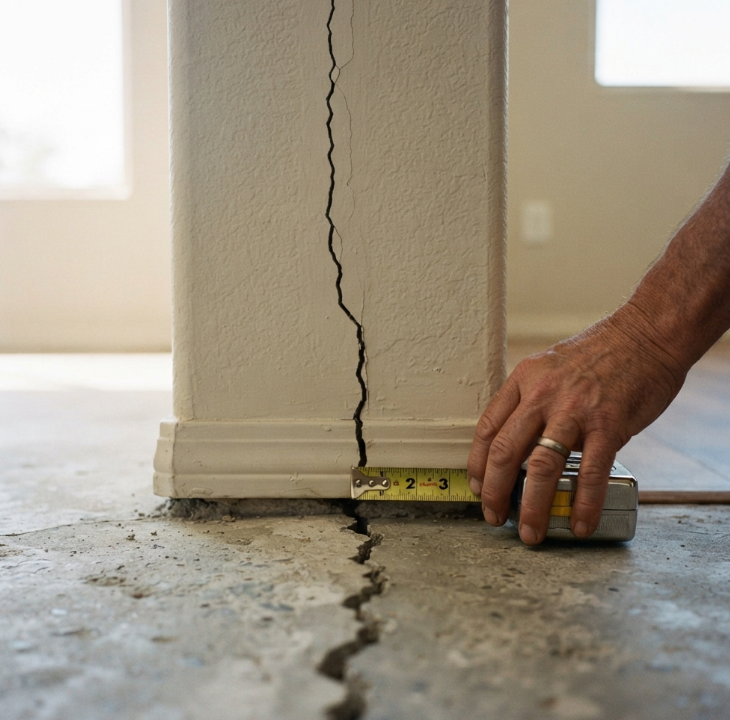
Vehicle impacts can cause immediate structural concerns.
These projects may include:
- Structural framing stabilization and repair
- Exterior wall reconstruction
- Garage or entry repairs
- Interior damage restoration
Safety and structural integrity are the top priorities before cosmetic work begins.
The Insurance Side of Repair Work
One of the biggest challenges in these projects is aligning construction with the insurance claim.
This involves:
- Matching the approved scope of work
- Using standardized estimating (Xactimate)
- Documenting changes or supplements
- Coordinating approvals before additional work
When handled correctly, this keeps the project moving and avoids delays or gaps in coverage.
Why Working with a Local Phoenix GC Matters
Reconstruction isn’t just about building — it’s about managing the process correctly.
Working with a local contractor means:
- Faster response times across the Valley
- Familiarity with local building requirements
- Experience working with regional adjusters
- Better coordination between mitigation and rebuild
Frequently Asked Questions About Insurance Repair & Reconstruction
What is an insurance repair contractor?
An insurance repair contractor specializes in restoring properties after damage covered by an insurance claim. This includes assessing damage, preparing detailed scopes using estimating software, coordinating with adjusters, and completing full reconstruction to bring the property back to pre-loss condition.
What is the difference between mitigation and reconstruction?
Mitigation focuses on stopping further damage — such as water extraction, drying, or fire cleanup. Reconstruction (or “build back”) is the process of repairing and rebuilding the property after mitigation is complete.
Do I have to use the insurance company’s contractor?
No. Property owners can choose their own contractor. Working with a local, experienced contractor often results in better communication, quality control, and project oversight.
How long does insurance reconstruction take?
Timelines vary depending on the extent of damage, materials, and insurance approvals. Smaller repairs may take a few weeks, while larger reconstruction projects can take several months.
Does homeowners insurance cover reconstruction?
In most cases, yes — if the damage is caused by a covered event such as sudden water damage, fire, storm damage, or vehicle impact. Coverage depends on the specific policy and circumstances of the loss.
What is Xactimate and why is it important?
Xactimate is industry-standard estimating software used by contractors and insurance companies to define the scope and cost of repairs. Using it helps ensure pricing aligns with insurance expectations and speeds up approvals.
When should reconstruction start after damage?
Reconstruction should begin once mitigation is complete, the property is fully dry and safe, and the insurance scope has been reviewed and approved.
Can one contractor handle both cleanup and rebuild?
Yes. Many full-service contractors handle both mitigation coordination and reconstruction, which helps streamline the process and reduce delays between phases.
What types of damage require reconstruction?
Reconstruction is typically needed after water damage, fire damage, storm damage, mold remediation, and vehicle impact incidents where materials must be removed and replaced.
Why is hiring a local Phoenix contractor important?
Local contractors understand regional building codes, respond faster, and have experience working with insurance claims specific to the Greater Phoenix area.
Final Steps to Working with RCS Builders
Cleanup is only the first step after property damage. The real outcome depends on how well the reconstruction is handled.
Understanding the role of an insurance repair contractor helps property owners know what to expect — and ensures the rebuild is done properly, from structure to finish.
For properties across Greater Phoenix, the focus is always the same:
complete, accurate build back to pre-loss condition with no shortcuts. For more information visit our
Reconstruction Services page today or call us at
(480) 204-9035