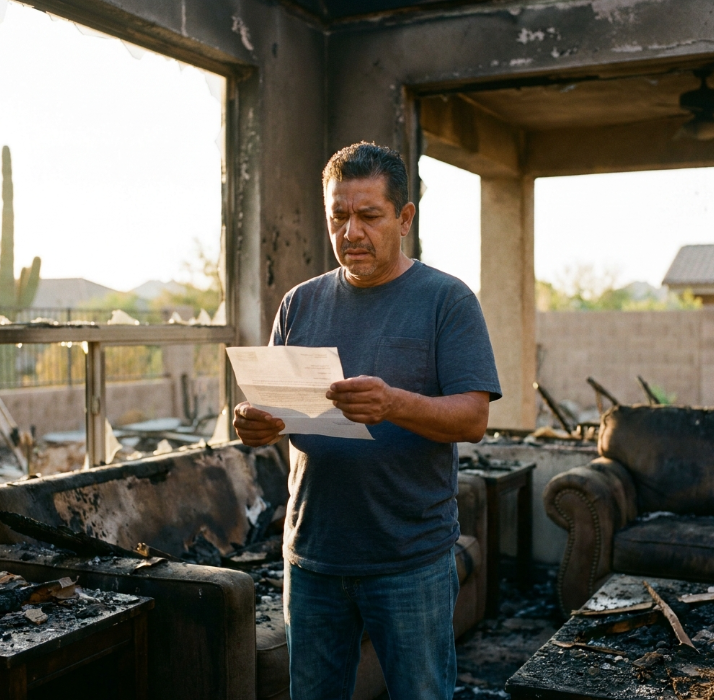
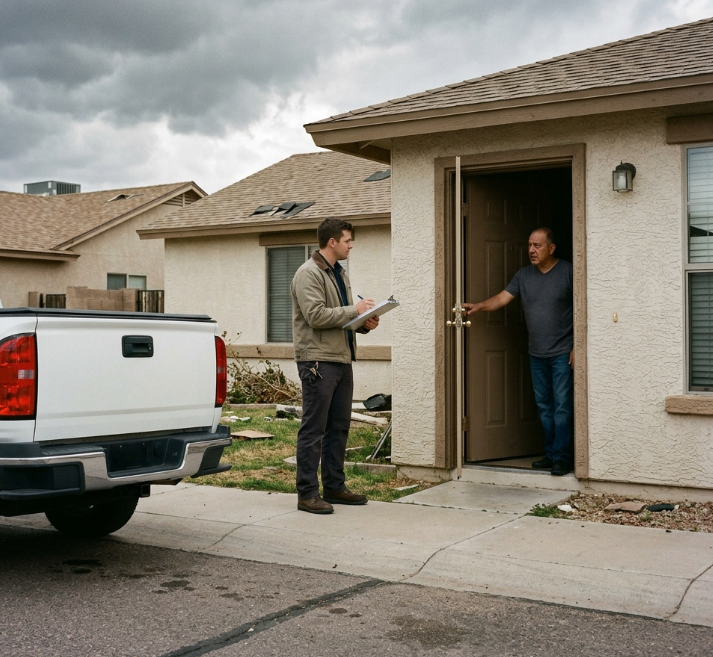
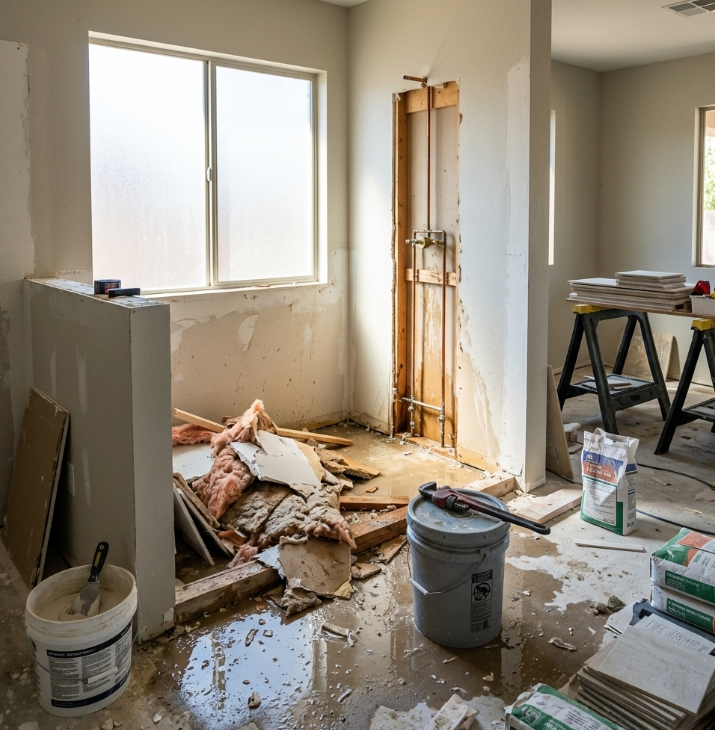
The letter arrives and the word that jumps out is
denied.
Everything that came before it — the emergency call, the mitigation crew, the adjuster walkthrough, the weeks of waiting — and now this. A denial. Maybe a paragraph explaining why. Maybe language so boilerplate it tells you almost nothing about what actually happened or what you can do about it.
Most property owners don't know what to do next. Some accept the denial and absorb the loss. Some call their contractor and get no useful answer. Some Google it at 11pm and end up more confused than when they started.
Here's what's actually true: a denial is not always final. What you do in the days immediately following it determines whether you have any realistic path forward — and a lot of people give up before they've exhausted the options they actually have.
Why Claims Get Denied — The Real Reasons
Understanding why your claim was denied is the first step to knowing whether the denial is legitimate or worth challenging.
Carriers deny claims for a range of reasons, and they don't all carry the same weight.
Exclusions in your policy. The most common and often the hardest to fight. Standard homeowner and commercial property policies in Arizona exclude certain causes of loss — gradual damage and wear, flood in most cases unless you carry separate flood coverage, earth movement, mold in some policies unless it's the direct result of a covered peril. If your loss falls squarely within an exclusion, the denial may be technically correct even if it feels wrong.
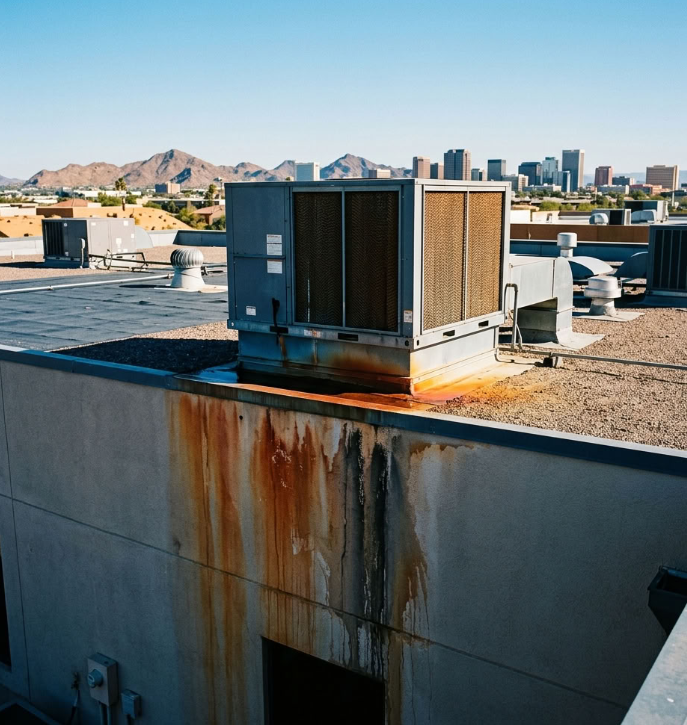
Cause of loss disputes. This is where it gets more nuanced. Your carrier determines not just that damage occurred, but what caused it — and the cause determines whether it's covered. A pipe that fails suddenly is typically covered. A pipe that leaked slowly for months and caused gradual damage often isn't. The same physical damage can result in a covered claim or a denied one depending entirely on how the cause is characterized.
This is also where documentation from the restoration contractor becomes critical. If your contractor documented the failure as sudden and acute — photographed the point of origin, noted the condition of surrounding materials, established a timeline consistent with a sudden loss — that documentation supports a covered cause of loss. If the documentation is thin or ambiguous, the carrier fills in the gaps in their favor.
Late reporting. Most policies require prompt reporting of a loss. What counts as prompt varies, but significant delays between when damage occurred and when it was reported give carriers grounds to question whether the damage was actually sudden or whether it predated the report.
Policy lapses or coverage gaps. Sometimes a denial is purely administrative — a missed payment, a lapse in coverage, a property that wasn't listed on the policy. These are worth verifying before anything else.
Insufficient documentation. Some denials aren't about cause or exclusion — they're about the carrier not having enough information to approve the claim. This is the most fixable kind of denial and often the most frustrating, because it shouldn't have happened in the first place.
The Denial Letter Is a Starting Point, Not an Ending
Read the denial letter carefully. Not for the emotional content — for the specific reason cited.
Carriers are required to provide a reason for denial. That reason tells you which path makes sense for challenging it. A denial based on a policy exclusion is a different conversation than a denial based on disputed cause of loss, which is different again from a denial based on insufficient documentation.
If the reason isn't clear from the letter, call your carrier and ask for a specific explanation in writing. You're entitled to it. Document that conversation.
Your First Real Option: The Internal Appeal
Every major carrier has an internal appeals process. It's rarely advertised prominently, but it exists and it's the first formal step after a denial.
An internal appeal gives you the opportunity to submit additional documentation, challenge the carrier's interpretation of the cause of loss, or argue that the denial was inconsistent with your policy language. It goes to a different adjuster or a review team — not the same person who denied the claim.
What makes an appeal succeed: new information the original adjuster didn't have, documentation that more clearly establishes a covered cause of loss, a specific policy language argument that the denial didn't account for, or expert support — a contractor's written scope narrative, a plumber's assessment of the failure mechanism, an independent moisture inspector's findings.
What doesn't move the needle: restating what you already submitted, expressing frustration without new evidence, or arguing that the outcome feels unfair without a specific policy-based reason why it's wrong.
The Public Adjuster Option
If your internal appeal goes nowhere and the loss is significant, a licensed public adjuster is worth a serious conversation.
A public adjuster works for you — not the carrier. Their job is to evaluate your claim independently, document the loss from the property owner's perspective, negotiate with the carrier on your behalf, and maximize the approved settlement. They're compensated as a percentage of the final settlement, typically somewhere between 10 and 15 percent in Arizona, which means their incentive is directly aligned with getting you the most favorable outcome.
For a large loss — a fire, a major water event, a storm that took out a significant portion of a structure — the right public adjuster can recover multiples of their fee in additional approved scope. For smaller claims, the math may not pencil out, but it's worth the conversation.
The Arizona Department of Insurance licenses public adjusters and maintains a searchable database. If someone approaches you after a loss offering to handle your claim without a license, that's a red flag. We work alongside licensed public adjusters in the Valley and can connect you with the right resource if your situation calls for one.
The Appraisal Process
If your dispute isn't about whether the loss is covered but about how much it's worth — your contractor says the job costs $80,000 and the carrier approved $45,000 — most policies include an appraisal provision.
Appraisal works like this: you hire an independent appraiser, the carrier hires theirs, and the two appraisers select an umpire. The umpire resolves any disagreement between the two appraisers' valuations. The result is binding.
It's not free and it's not fast, but for significant valuation disputes it's often the most direct path to resolution without litigation. Check your policy for the specific appraisal language — the process and timelines vary.
When It Becomes a Legal Matter
If your carrier denied a claim in bad faith — meaning they denied it without a reasonable basis, misrepresented your policy, or failed to conduct a proper investigation — Arizona law provides remedies beyond the standard appeals process.
Bad faith insurance claims are a specific legal cause of action. They're not appropriate for every denied claim, and most denials — even ones that feel wrong — don't rise to that standard. But if you believe your carrier acted in bad faith, an attorney who handles insurance disputes is the right next call, not a contractor.
The Arizona Department of Insurance also handles complaints against carriers. Filing a complaint doesn't guarantee a resolution, but it creates a record and sometimes prompts carriers to reconsider positions they've dug into.
What Your Contractor Should Be Doing Throughout This
Here's the part that doesn't get said enough: your restoration contractor has a direct role in whether a denied claim gets reopened.
The most common recoverable denials are the ones based on insufficient documentation or disputed cause of loss — and both of those are directly affected by how well the job was documented from day one. A contractor who can produce a detailed scope narrative, photographs of the point of origin, moisture logs that establish a timeline consistent with a sudden loss, and a written explanation of the failure mechanism is giving you real ammunition for an appeal.
A contractor who hands you a completion certificate and moves on is not.
If you're mid-claim and your documentation is thin, it may not be too late to reconstruct a stronger record — but it's harder after the fact than it would have been in the first 48 hours. If you're reading this before a loss, file it away: documentation quality at the outset of a job is insurance against exactly this situation.
If You're Looking at a Denial Right Now
Don't accept it as final without understanding why it happened and what options are still open. The path forward depends entirely on the specific reason for the denial — which is why the first step is getting that reason in writing.
Call us at 480-204-9035. We've worked through denied and disputed claims with carriers across the Valley and we can tell you honestly whether the documentation on your job supports an appeal and what that process looks like. If the answer is that the denial is legitimate, we'll tell you that too.
Related: