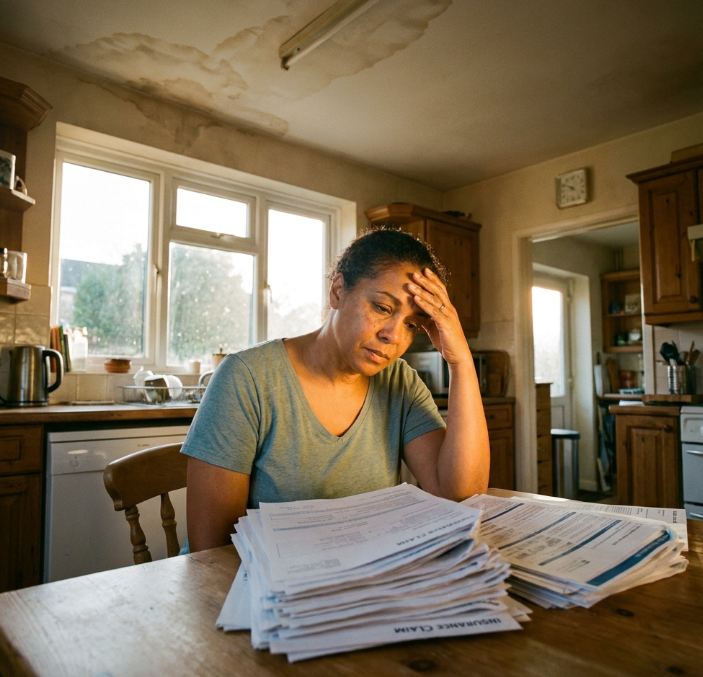
Most property owners hear the word subrogation for the first time from their insurance carrier — usually in a letter, usually after the claim has already been paid, and almost always without any real explanation of what it means or what they're supposed to do about it.
It sounds legal because it is. But it's not as complicated as the language makes it seem, and understanding it early — before a loss if possible, during a claim if not — can protect you from a situation that catches a lot of people completely off guard.
What Subrogation Actually Is
Here's the plain English version.
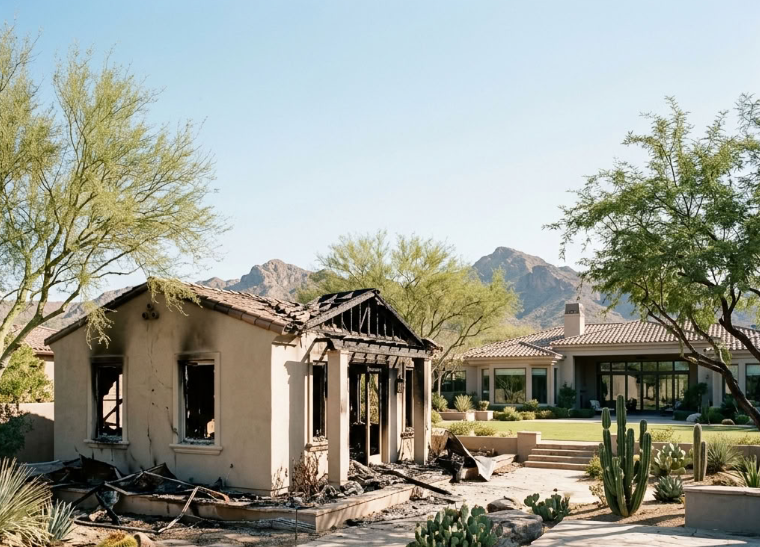
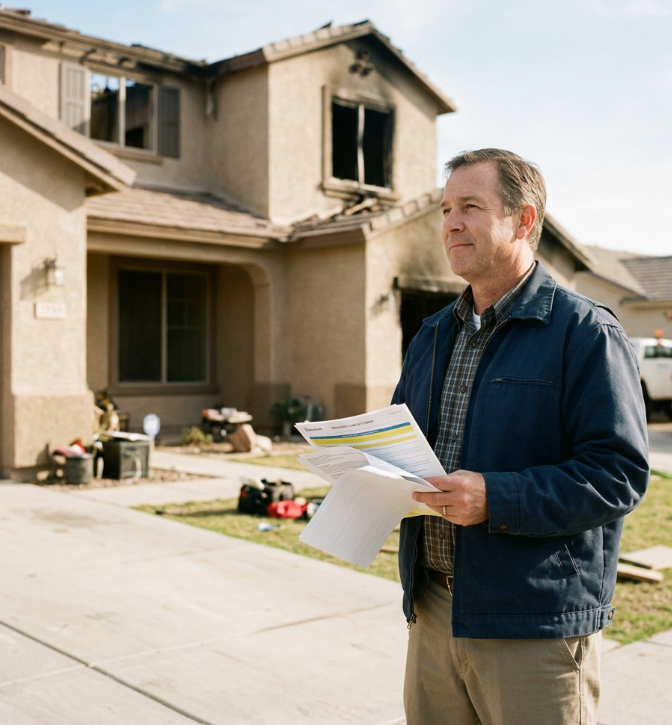
Your carrier paid your claim. Maybe it was a pipe that failed in the unit above yours and flooded your ceiling. Maybe it was a contractor who left a torch down too long and started a fire. Maybe it was a manufacturer defect in an appliance that caused a water loss. Whatever happened, your insurance company stepped in and covered the damage.
But your carrier doesn't think they should be the one absorbing that cost — because someone else caused it. Subrogation is the legal process by which your insurance company steps into your shoes and pursues the responsible party to recover what they paid out on your behalf.
They're not coming after you. They're going after whoever they believe is actually liable for the loss — a negligent contractor, a neighbor, a product manufacturer, a property management company that deferred maintenance on a known plumbing issue. Your carrier is essentially saying: we paid this, but it wasn't our insured's fault, so we're going to get it back from whoever is responsible.
That process happens largely in the background. Most property owners barely notice it. But there are situations where it affects you directly — and those are the ones worth understanding.
What It Actually Means for You as the Property Owner
In most straightforward subrogation cases, your role is limited. Your carrier handles the recovery action. You cooperate if asked — providing documentation, answering questions, signing a subrogation receipt in some cases — and that's largely it.
But there are scenarios where subrogation gets more complicated for the property owner.
The settlement release problem. If you independently settle with the party who caused the damage — say you reach an agreement with your neighbor whose irrigation line flooded your yard and saturated your foundation — you may inadvertently release your carrier's right to pursue subrogation against that same party. If your carrier had already paid your claim, that creates a serious problem. They paid out expecting to recover from the responsible party, and you've just removed their ability to do that. In some states and under some policy language, your carrier can come after you for the amount they can no longer recover.
Before you settle anything directly with a third party after a property loss your carrier has covered, talk to your carrier first. This is not a situation to navigate informally.
The comparative fault question. In some cases — particularly in commercial losses or larger residential claims — the responsible party's insurer disputes liability or argues that your own actions contributed to the loss. Deferred maintenance on your property, failure to address a known issue, or actions taken immediately after the loss can all become part of that conversation. Your documentation from the moment of loss forward matters here.
Cooperation requirements. Most policies require you to cooperate with your carrier's subrogation efforts. That means preserving evidence, providing records, and not doing anything that impairs your carrier's ability to pursue recovery. In a restoration context, this has direct implications for how the job gets documented — and who's doing the documenting.
Why Documentation and Contractor Choice Matter More Than Most People Realize
Here's where the restoration contractor becomes part of the subrogation story.
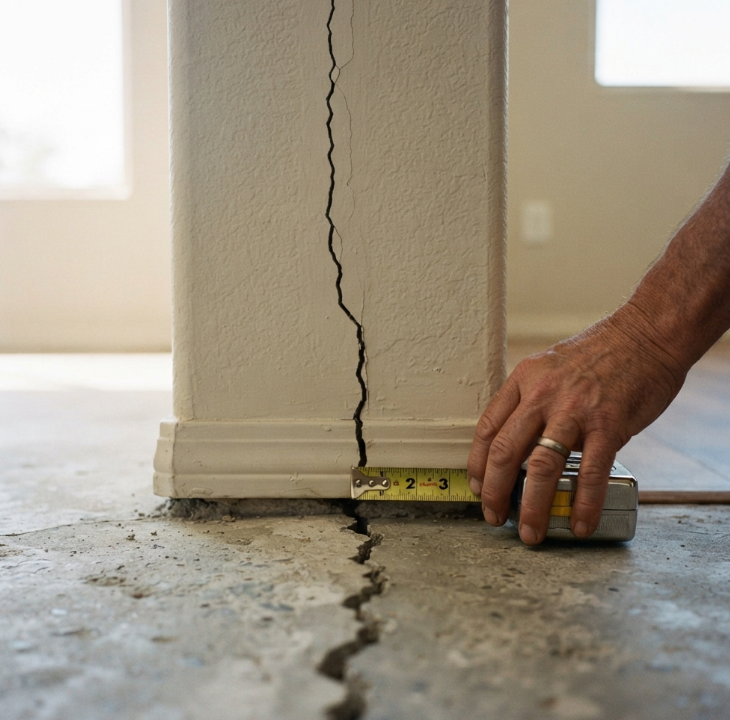
When subrogation is in play — or even potentially in play — the documentation from the restoration project becomes evidence. Moisture readings, affected area logs, photo documentation, material removal records, cause-of-loss notes — all of it may be reviewed by your carrier's subrogation team, by the responsible party's insurer, and potentially by attorneys if the recovery action becomes contested.
A mitigation company that logs moisture readings on a standardized form and moves to the next job isn't thinking about subrogation. A contractor who documents the cause of loss, photographs the point of origin, notes the failure mechanism, and preserves a clear chain of evidence from day one is doing something fundamentally different — even if the physical work looks the same from the outside.
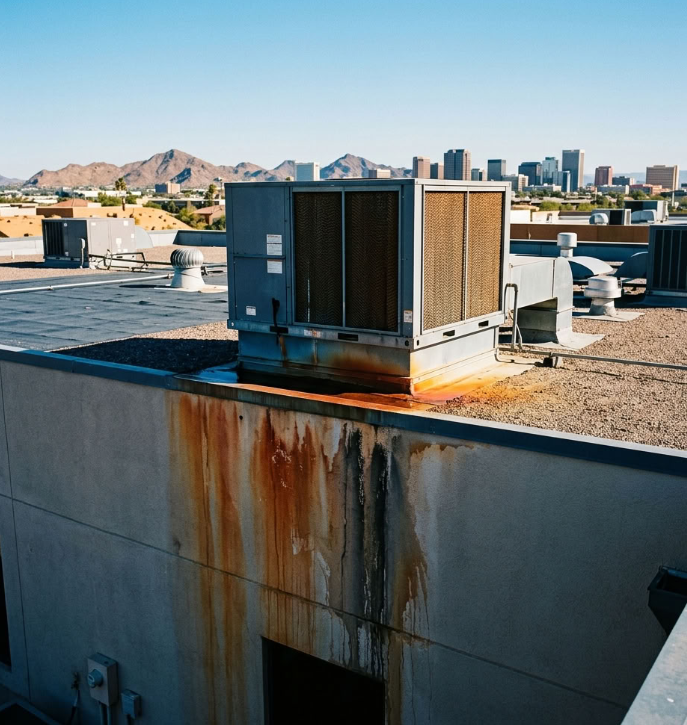
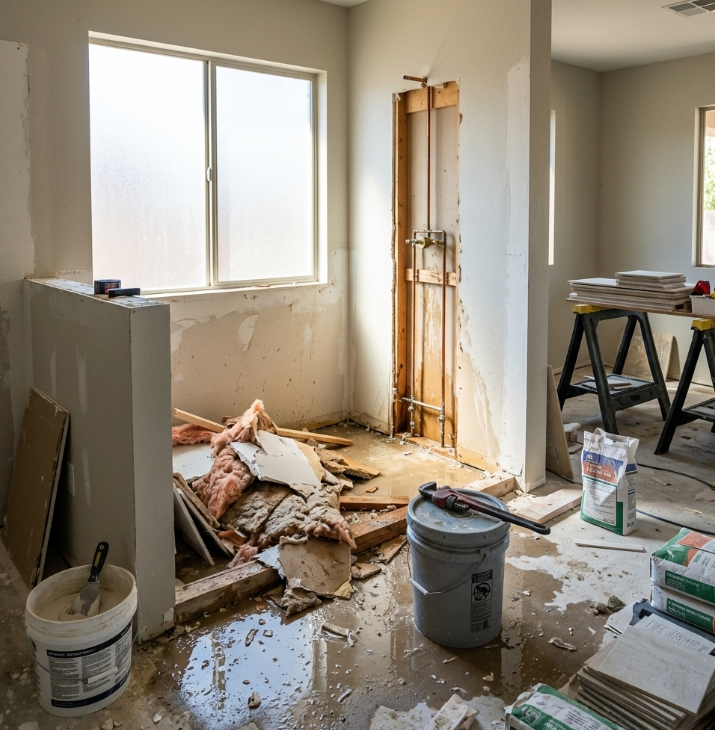
In the Valley, the most common subrogation scenarios involve plumbing failures in multi-unit properties — one unit's pipe fails and damages the unit below, the carrier pays the lower unit's claim and pursues the upper unit's owner or their carrier. HOA maintenance failures that result in water intrusion. Contractor negligence during a separate project that causes a fire or flood. Appliance or product defects where a manufacturer may carry liability.
In all of these situations, what your restoration contractor documented in the first 48 hours of the job is often the most important evidence in the entire recovery action. Photos of the failure point before it was disturbed. Moisture readings that establish the extent and direction of the intrusion. Notes on what materials were affected and how. A clear record of what was found, when it was found, and what condition it was in before remediation began.
That documentation doesn't happen automatically. It happens because the contractor running the job understands that their work on a loss isn't just about drying a structure and putting it back together — it's about creating a record that accurately represents what happened to the property and why.
The Practical Takeaways
If you're in the middle of a claim and subrogation hasn't come up yet, here's what to keep in mind:
Don't settle directly with any third party without talking to your carrier first. If someone caused the damage and they're offering to make it right out of pocket, that conversation needs to include your carrier before you agree to anything — especially if a claim has already been filed.
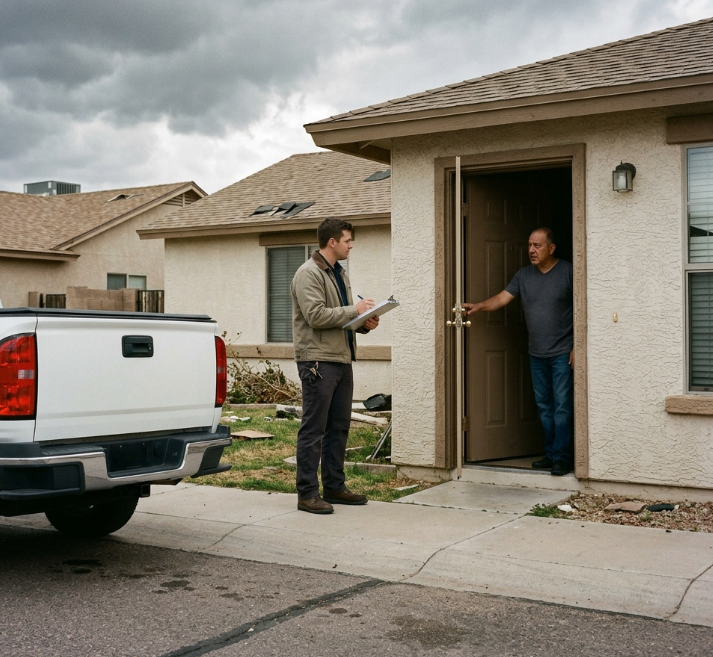
Preserve everything from the point of loss. Photos you took before the contractor arrived. Texts or emails with whoever may have caused the damage. Any correspondence with your HOA, property manager, or neighboring property owner about the issue. Your carrier's subrogation team will ask for whatever exists.
Ask your contractor how they document cause of loss. Not every contractor thinks about this. The ones who do will have a clear answer. The ones who don't will give you a vague one.
Understand your cooperation obligations. Read your policy or ask your carrier directly what subrogation cooperation requires. Most property owners are surprised to learn it's a policy condition, not optional.
One More Thing Worth Knowing
Subrogation recoveries — when successful — can sometimes result in your deductible being returned to you. If your carrier recovers the full amount of what they paid out, including your deductible, that money comes back. It doesn't always happen, and the timeline can be long, but it's worth asking your carrier about when the process is underway.
RCS Builders documents every job from day one with subrogation in mind — not because every loss involves a third-party claim, but because we don't know at the outset which ones will. Cause-of-loss documentation, photo evidence, moisture logs, and a clean chain of record from extraction through final rebuild are standard on every project we run.
If you're dealing with a loss where another party may be responsible,
call us at 480-204-9035. We'll make sure the documentation side of the job is handled in a way that protects your position — with your carrier, with the responsible party, and if it comes to it, in whatever recovery process follows.
Related: